
Key Takeaways
-
Lost backlinks silently hurt your SEO rankings without notice—a monitoring tool alerts you immediately when links disappear, break, or switch to nofollow status so you can take action before rankings slip.
-
Backlink monitoring differs from one-time checkers by tracking changes over time and sending real-time alerts, giving you the 'full movie' instead of just a snapshot of your link profile.
-
Combine third-party backlink tool data with Google Search Console for accuracy, since no single tool sees the entire internet the way Google does—use automation to flag risks but have humans make final decisions on toxic links.
-
Integrate backlink monitoring into your automated content workflow with weekly check-ins and quarterly deep reviews, tagging links by campaign and connecting link data back to traffic and ranking improvements to prove content ROI.
-
For agencies managing multiple clients, prioritize tools with multi-project support, white-label reporting, bulk tagging, and API access to avoid cost scaling issues and ensure clean client-ready deliverables.
-
Pair backlink monitoring with consistent daily content publishing to close the loop—knowing what's working and what's breaking helps you focus outreach efforts on your best-performing content topics.
You just published a great article. It earned a link from a solid website. You feel good about it. Then three months later, that link is gone and you have no idea. This happens more often than you think, and it quietly hurts your rankings without you ever noticing.
A backlink monitoring tool solves this problem. It watches your links around the clock, so you don’t have to. If you run an SEO agency, manage content for a busy company, or handle a big website full of blog posts, this kind of tool becomes a must-have. In this article, we’ll break down what backlink monitoring actually means, why it matters for content teams, and how to build it into a smart, automated workflow. We’ll keep things simple and clear, so you walk away knowing exactly what to do next.

What Is a Backlink Monitoring Tool, Really?
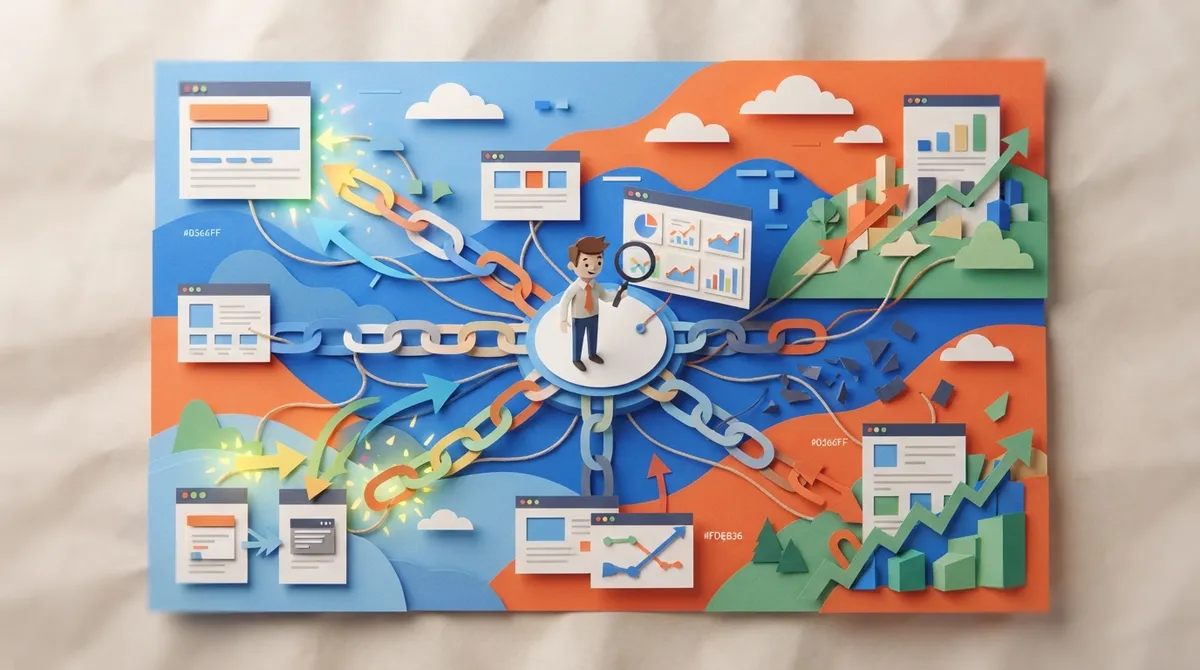
A backlink monitoring tool is software that keeps an eye on the links pointing to your website. It checks for new links, lost links, broken links, and links that changed from “follow” to “nofollow.” Think of it like a security camera for your link profile, always watching, always recording changes.
This is different from a plain backlink checker. A checker gives you a one-time snapshot, like a photo taken on a single day. A monitoring tool gives you the full movie. It tracks changes over time and alerts you the moment something important happens.
Backlink Checker vs. Backlink Monitoring Tool
| Feature | Backlink Checker | Backlink Monitoring Tool |
|---|---|---|
| Data Type | One-time snapshot | Ongoing, updated tracking |
| Alerts | None | New link and lost link alerts |
| Historical Trends | Not available | Available over weeks or months |
| Best For | Quick research | Long-term SEO content strategy |
Why Content Teams Should Care About Backlink Monitoring
Writing great content is only half the job. The other half is making sure that content keeps earning value over time. Backlinks are a big part of that value, and they don’t just sit still forever.
- Links get removed when websites redesign or clean up old pages
- Pages get deleted, causing your backlink to point to a dead page
- Sites switch links from dofollow to nofollow without warning
- Competitors earn links you could have gotten with the right outreach
- Some of your best content might be quietly losing its SEO power right now
For teams juggling dozens or hundreds of articles, tracking this by hand is nearly impossible. This is exactly where SEO content automation comes in. If you’re new to building a repeatable content system, our guide on SEO content writing for beginners is a helpful starting point before diving into link tracking.
Core Features to Look For in a Backlink Monitoring Tool
Not all tools are built the same. Some are basic, some are packed with features you may never use. Here’s what actually matters for content-focused teams.
- New and lost link alerts: You want to know immediately, not weeks later.
- Referring domain analysis: Understand which websites are linking to you and how strong they are.
- Anchor text tracking: See what words people use when linking to your pages.
- Dofollow vs nofollow status: Know which links pass ranking value.
- Historical trend data: Spot patterns over months, not just days.
- Competitor backlink tracking: See where competitors are getting links you don’t have yet.
- Exports and scheduled reports: Share updates with clients or your team without extra work.
According to a 2026 tool comparison, pricing for popular platforms varies widely, with some starting around $44 per month and others closer to $130 per month, depending on features and plan limits. Always check current vendor pricing pages since plans and limits shift often.
How Backlink Monitoring Fits Into an Automated SEO Content Workflow
Backlink monitoring works best when it’s connected to your actual content publishing process, not treated as a separate task. Here’s a simple, practical workflow that agencies and in-house teams can follow.
- Import or discover your current backlinks using your monitoring tool
- Tag links by campaign, client, or content piece for easy sorting
- Set up alerts for new links and lost links
- Review changes on a set schedule, weekly works well for most teams
- Assign follow-up tasks like outreach or link reclamation
- Measure link changes against traffic, rankings, and conversions
Some industry guides suggest a weekly check-in for changes and a deeper quarterly review of your whole backlink profile. This keeps things manageable instead of overwhelming.
If you’re publishing content daily as part of a growth strategy, pairing that output with consistent link monitoring closes the loop. You can learn more about building that kind of publishing rhythm in our post on daily blog posting strategies that actually drive results.
Should You Trust Backlink Toxicity Scores?
Many tools give your links a “toxicity” score. This sounds scary, but it’s really just a prioritization signal. It tells you which links deserve a closer look, not which links are definitely bad.
Google’s own guidance on link schemes explains what actually violates search policies, and a software score alone isn’t proof of a violation. Before removing or disavowing any link, a real person should review it. Look at things like:
- Whether the linking page is topically related to your content
- Whether the link sits in normal editorial content, not a spammy footer
- Whether the destination page is relevant to the link
- Whether the anchor text looks natural
- Whether the page is even indexed and accessible
Automation should flag risks, but humans should make the final call. This is a good reminder that even with SEO Content Automation, judgment still matters. Google’s spam policy documentation is a solid reference point if you want the official word straight from the source.
Combining Third-Party Data With Google Search Console
Here’s something a lot of people miss. No backlink tool sees the entire internet. Each one crawls a different slice of the web at a different time, so their databases won’t perfectly match Google’s view.
One 2026 vendor comparison claimed a backlink database of 43 trillion links with daily updates. That’s a massive number, but it’s still vendor-reported and won’t match exactly what Google indexes for your specific site. That’s why smart teams combine their monitoring tool’s data with Google Search Console. Search Console shows you links Google has actually discovered, which is the most accurate source for your rankings.
Backlink Monitoring for Agencies Managing Multiple Clients
If you run a small agency, backlink monitoring gets trickier fast. You’re not just tracking one site, you’re tracking five, ten, or fifty. Here’s what to prioritize when picking a tool for multi-client work.
- Support for multiple projects or client workspaces
- White-label or clean reporting you can hand to clients
- Bulk tagging so you can organize links by client quickly
- API access so you can connect data to your own dashboards
- Reasonable pricing per project, since costs add up fast at scale
A 2026 industry comparison noted pricing starting around $103 per month for one popular platform and around $117 per month for another, though limits and features vary by plan. Agencies should always test the free trial before committing, since project limits can sneak up on you.
Connecting Backlink Data to Content ROI
Here’s the part that often gets skipped. Backlink monitoring isn’t just about defense, it’s about proving your content is working. When you tie link data to traffic and rankings, you get real answers about what content is worth doing more of.
- Identify which published articles earned the most backlinks
- Compare those articles against traffic and ranking improvements
- Spot content topics that consistently attract natural links
- Feed those winning topics back into your content calendar
This is exactly the kind of insight that makes content planning smarter over time. If you want a deeper look at how competitor link and content data can shape your strategy, check out our article on competitor analysis strategies for SEO content automation.
How SEO Rocket Fits Into a Backlink-Aware Content Strategy
Backlink monitoring tells you what’s happening to your existing content. But none of that matters if you’re not publishing consistently in the first place. This is where SEO Rocket comes in as a strong companion piece to your link tracking efforts.
SEO Rocket handles the keyword research, writing, optimization, and daily publishing side of your SEO strategy, so your team can focus more time on reviewing backlink alerts and handling outreach. Setup takes under 10 minutes, and the platform can generate a full 3,000-word, SEO-optimized article every single day for business plans, or up to 10 articles daily for agencies managing multiple clients. You can check out real writing examples to see the quality for yourself.
The built-in features include automated internal and external linking, AI-optimized metadata, and real-time SEO scoring, so every article you publish is already built to earn the kind of natural backlinks that monitoring tools love to track. Since content is published directly to WordPress, Webflow, Shopify, or Wix, there’s no manual copy-pasting slowing your team down.
For agencies juggling multiple client sites, this pairs especially well with backlink monitoring across projects. You get consistent daily publishing on one side and clear link-health visibility on the other. See what other agencies and marketers are saying in the reviews section, or read more strategy breakdowns on our blog.
A Simple Checklist Before You Choose a Tool
Before you commit to any backlink monitoring platform, run through this quick checklist.
- Does it offer real-time or near real-time alerts?
- Can you track competitor backlinks, not just your own?
- Does it support multiple projects if you manage several sites?
- Can you export reports easily for clients or leadership?
- Does the pricing fit your budget as you scale?
Taking a few extra minutes here saves you from switching tools six months from now. It also helps you avoid paying for features you’ll never touch.
Bringing It All Together
A backlink monitoring tool isn’t just another dashboard to check. It’s the missing piece that connects your content publishing to real, measurable SEO results. Without it, you’re writing great articles and hoping for the best. With it, you know exactly what’s working, what’s breaking, and where to focus next.
Pair strong link monitoring with a steady stream of quality content, and you build an SEO engine that actually compounds over time. If you’re ready to stop worrying about manual content production and want a system that publishes consistently while you focus on link health and outreach, you can start for $99 a month and see the difference daily publishing makes. Or, if you’re ready to jump in today, go ahead and sign up to get your content calendar filled in minutes, not weeks. And if you ever need local service recommendations for your own business site, teams like All Trusted Lawn Care show how niche businesses can benefit from the same consistent content and link-building approach.
FAQs
Q: What is a backlink monitoring tool and how does it differ from a backlink checker?
A: A backlink monitoring tool watches your links over time and alerts you to changes, while a backlink checker only gives you a one-time snapshot. Think of monitoring as an ongoing security camera, and checking as a single photo taken once and never updated.
Q: Why should SEO content teams monitor backlinks after publishing an article?
A: Links can disappear, break, or switch to nofollow without any warning, quietly reducing the SEO value of your content. Monitoring lets your team catch these changes early and take action before rankings slip.
Q: How accurate are backlink toxicity scores, and should I disavow every toxic link?
A: Toxicity scores are helpful for prioritizing which links to review, but they aren’t proof of a policy violation on their own. Always have a real person check the link’s context before deciding to disavow it, since automated scores can be overly cautious.
Q: Can backlink monitoring tools track competitor backlinks too?
A: Yes, most quality monitoring tools let you track competitor backlink profiles alongside your own. This helps you spot link opportunities your competitors already found, which you can then pursue for your own content.
Q: Which backlink monitoring approach works best for agencies managing multiple clients?
A: Agencies should prioritize tools with multi-project support, clean client-ready reporting, and bulk tagging features so links stay organized across accounts. Pairing this with consistent content publishing, like what SEO Rocket offers, keeps client campaigns moving smoothly without extra manual work.