
Key Takeaways
-
46% of Google searches have local intent, and 92% of searchers pick a business from the first page—missing local SEO rankings means losing significant customer clicks to competitors.
-
Optimize your Google Business Profile completely (all fields, high-quality photos, weekly posts, review responses) as it directly feeds into Local Pack rankings and Google Maps visibility.
-
Publish locally relevant content daily using automation tools to signal authority to Google; businesses publishing consistently see compounding ranking improvements over 60-90 days versus occasional publishers.
-
Target specific local keyword types: service+location keywords, ‘near me’ variations, long-tail local queries, and competitor gap keywords using keyword research tools with live search volume data.
-
Maintain consistent NAP (Name, Address, Phone) data across all online listings and directories; even small inconsistencies confuse Google and hurt rankings significantly.
-
Implement structured data schema (LocalBusiness, Review, FAQ, Event) to enable featured snippets and rich results, which drive major click volume from search results.
If you run a local business or manage SEO for one, you already know the pressure. You need to show up when people nearby search for what you offer. The stakes are high. 46% of all Google searches have local intent, and 92% of searchers pick a business from the first page of results. That’s a lot of clicks going to your competitors if you’re not ranking.
The good news? Strong local SEO strategies don’t have to eat up your whole week. With the right approach — and the right automation tools — you can build a system that works consistently, scales easily, and keeps your local rankings climbing. Let’s walk through exactly how to do it.

What Are Local SEO Strategies and Why Do They Matter?
Local SEO strategies are the steps you take to rank higher in location-based search results. Think Google Maps, the Local Pack (the top 3 map results), and organic results with local intent. When someone types “best coffee shop near me” or “SEO agency in Austin,” local SEO determines who shows up.
With “near me” searches hitting 800 million per month, the opportunity is massive. But most businesses miss out because they rely on outdated tactics or skip content publishing altogether. Consistent, locally relevant content is one of the biggest ranking factors — and it’s where automation tools like SEO Rocket’s automated content system make a real difference.
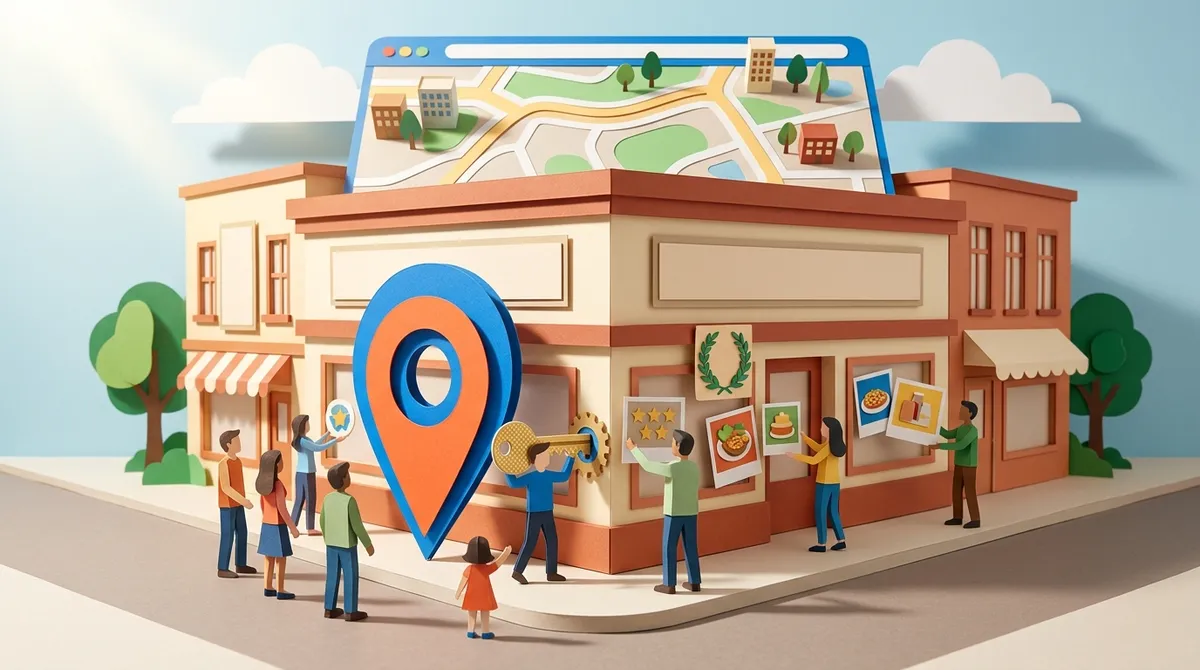
Step 1: Claim and Optimize Your Google Business Profile
Your Google Business Profile (GBP) is the foundation of local SEO. It feeds directly into the Local Pack and Google Maps. If you haven’t claimed yours yet, do that first.
Once claimed, here’s how to fully optimize it:
- Fill in every field. Business name, address, phone number, website, hours, and category. Incomplete profiles lose ranking power.
- Choose the right primary category. This is one of the biggest ranking factors for local results. Be specific.
- Add high-quality photos. Businesses with photos get 42% more direction requests and 35% more website clicks.
- Post regular updates. Google rewards active profiles. Post offers, events, or blog content at least weekly.
- Collect and respond to reviews. Positive reviews boost prominence. Responding to all reviews — good and bad — builds trust.
Automation tools can help you monitor reviews, track GBP performance, and even schedule posts. This keeps your profile active without constant manual effort.

Step 2: Target the Right Local Keywords
Great local SEO starts with great keyword research. You need to know what your audience is actually searching for — not just what you think they’re searching for.
Here are the most effective local keyword types to target:
- Service + location keywords: “SEO content writing Chicago” or “content automation agency Dallas”
- “Near me” variations: Still growing fast in voice and mobile search
- Long-tail local queries: More specific, lower competition, high conversion intent
- Google Autocomplete suggestions: Type your service into Google and capture what auto-populates
- Competitor gap keywords: Terms your rivals rank for that you don’t yet
A strong keyword research tool gives you live data on search volume, competition, and intent. Instead of guessing, you’re targeting real opportunities. Check out our SEO content writing beginner’s guide for 2026 for more on building a keyword strategy from scratch.

Step 3: Optimize Your On-Page Content for Local Searches
Once you have your keywords, it’s time to weave them into your website content naturally. On-page optimization is how Google understands what you do and where you do it.
Follow these on-page best practices:
- Use 1-2 primary local keywords per page. Don’t stuff them in — keep it natural.
- Add location terms to title tags and meta descriptions. This directly impacts click-through rates from search results.
- Create location-specific landing pages. If you serve multiple cities, give each one its own page with unique content.
- Include your NAP (Name, Address, Phone). Keep it consistent across every page and every listing online.
- Optimize for mobile. Most local searches happen on phones. A slow or clunky mobile site kills your rankings.
Fresh content matters too. Regularly publishing blog posts, FAQs, and guides that are locally relevant tells Google your site is active and authoritative. This is exactly where SEO Rocket’s automated publishing features shine — generating and publishing one optimized, 3,000-word article per day without any manual work from you.
Step 4: Create Hyper-Local Content That Builds Authority
Here’s a truth that surprises many marketers: generic AI content alone won’t win local rankings. You need content with genuine local flavor. Google rewards depth, relevance, and authenticity — especially for local searches.
The best types of hyper-local content to publish include:
- City and neighborhood guides related to your industry
- Local event coverage and community news
- Case studies and success stories from local clients
- FAQ pages answering questions your local customers actually ask
- Comparison posts that address local search intent
The key is blending automation with human insight. Use automation to handle the heavy lifting — structure, SEO optimization, publishing — while you add local color and specific details that make the content feel real. To learn more about creating content that ranks in both Google and AI search, check out how to improve your AI search visibility in 2026.
Step 5: Build Local Citations and Backlinks
Citations are mentions of your business name, address, and phone number across the web. They build trust and improve your local authority. Backlinks from local sources take that even further.
Here’s how to build both effectively:
- Submit to major directories. Google Business, Yelp, Bing Places, Apple Maps, and industry-specific directories.
- Sponsor local events. Event organizers often link back to sponsors. That’s a high-quality local backlink.
- Partner with local businesses. Cross-promote and swap links where it makes sense.
- Create link-worthy content. Local guides, data reports, and community resources attract backlinks naturally.
- Get featured in local media. Reach out to local blogs, news sites, and podcasts in your area.
Automated tools can monitor your citation consistency, flag any discrepancies in your NAP data, and track new backlink opportunities — saving hours of manual checking each month.
Step 6: Use Structured Data to Boost Local Visibility
Structured data (also called schema markup) helps search engines understand your content better. For local businesses, this is a major ranking lever that many businesses overlook.
Add these schema types to your website:
- LocalBusiness schema: Communicates your name, address, phone, hours, and category directly to Google
- Review schema: Displays star ratings in search results, boosting click-through rates
- FAQ schema: Helps your FAQs appear directly in search results as featured snippets
- Event schema: Promotes local events you’re hosting or sponsoring
Properly implemented structured data can land you in featured snippets and rich results — prime real estate that drives massive click volume. The Google Search Quality Rater Guidelines emphasize the importance of demonstrating expertise, authority, and trustworthiness, and structured data supports all three.
Local SEO Strategy Comparison: Manual vs. Automated
Wondering whether to handle your local SEO manually or invest in automation? Here’s a clear breakdown:
| Strategy Element | Manual Approach | Automated Approach |
|---|---|---|
| Keyword Research | Hours of manual searching | Instant, live data with intent analysis |
| Content Publishing | 1-2 posts per week if you’re lucky | Daily publishing on autopilot |
| Citation Monitoring | Manual directory checks | Automated alerts for inconsistencies |
| Rank Tracking | Weekly spreadsheet updates | Real-time dashboards and reporting |
| Review Management | Checking platforms individually | Centralized monitoring and alerts |
| Cost | $3,000–$5,000/month (agency) | Starting at $99/month with SEO Rocket |
Automation doesn’t replace strategy — it executes it consistently at scale. That’s the real superpower. For small business owners and agencies alike, this is a game-changer.
Step 7: Track Your Local Rankings and Refine Your Strategy
What gets measured gets improved. Tracking your local SEO performance helps you double down on what’s working and fix what isn’t.
Key metrics to monitor regularly:
- Local Pack rankings: Are you in the top 3 map results for your core keywords?
- Organic search rankings: Track keyword positions over time
- Google Business Profile insights: Views, clicks, calls, and direction requests
- Website traffic from local searches: Use Google Analytics to segment local visitors
- Review volume and rating trends: Are you gaining reviews and maintaining a strong average?
Automated rank tracking tools update your data daily or weekly, so you always have a current picture without manual checking. Pair this with consistent content publishing, and you’ll see compounding improvements month over month. You can also explore daily blog posting strategies that drive results in 2026 to keep your publishing momentum strong.
Common Local SEO Mistakes to Avoid
Even experienced marketers slip up with local SEO. Watch out for these common pitfalls:
- Inconsistent NAP data: Even small differences between listings confuse Google and hurt rankings
- Ignoring reviews: Not responding to reviews — especially negative ones — damages trust
- Generic AI content with no local context: Automation needs a local strategy behind it, not just mass-produced filler
- Skipping mobile optimization: If your site loads slowly on phones, local visitors will bounce immediately
- Forgetting to update your GBP: Old hours, missing photos, or outdated info costs you clicks and conversions
The most successful local SEO strategies blend smart automation with genuine local relevance. Keep the human touch in your messaging, and let automation handle the volume and consistency. You can also read our blog for ongoing tips on content strategy and SEO best practices.
How Automation Tools Supercharge Local SEO in 2026
In 2026, automation is no longer optional for competitive local SEO. The businesses showing up consistently in local results are the ones publishing content regularly, monitoring their profiles actively, and using data to guide every decision.
Platforms like SEO Rocket make it possible to run a full local content strategy without a large team. Set up takes under 10 minutes. You connect your site, approve your content calendar, and the system generates and publishes optimized articles daily. Each article is structured for both Google and AI search engines like ChatGPT, Perplexity, and Gemini — so your content gets discovered everywhere your audience is searching.
For agencies managing multiple local clients, the scalability is unmatched. One platform handles keyword research, content generation, SEO scoring, metadata, linking, and publishing across all your client sites. You can learn more about how it all works at seorocket.app or check out the pricing plans to find the right fit for your business.
If you’re curious about what AI-generated content actually looks like in practice, the writing examples section shows real samples so you know exactly what you’re getting.
Conclusion
Local SEO strategies don’t have to be overwhelming. When you break them down into clear steps — optimizing your Google Business Profile, targeting the right local keywords, publishing consistent content, building citations, and tracking your results — it becomes a manageable, repeatable system.
The difference between businesses that dominate local search and those that struggle is often just consistency. And consistency is exactly what automation delivers. Whether you’re a small business owner, a marketing team, or an agency, building a local SEO system that runs on autopilot is the smartest investment you can make in 2026.
Ready to put your local SEO on autopilot? Start your free 3-day trial with SEO Rocket and see how effortless consistent local SEO content can be.
FAQs
Q: What are the most important local SEO strategies for small businesses in 2026?
A: The most impactful strategies are optimizing your Google Business Profile, targeting local keywords, and publishing fresh, locally relevant content consistently. Automation tools can handle content publishing daily, so you don’t have to choose between running your business and keeping up with SEO.
Q: How can I use automation for local SEO without losing the personal touch?
A: Great question! The trick is to use automation for the heavy lifting — keyword research, content structure, SEO optimization, and publishing — while adding local details that make your content feel authentic. Think community events, local customer stories, and city-specific tips that resonate with your audience.
Q: How many local keywords should I target per page?
A: Stick to 1-2 primary local keywords per page for the best results. Using too many keywords on one page dilutes your focus and can actually hurt your rankings. Keep each page focused on one specific topic or location for maximum impact.
Q: Does publishing blog content really help with local SEO rankings?
A: Absolutely! Regularly publishing locally relevant blog posts, FAQs, and guides signals to Google that your site is active and authoritative. Businesses that publish content consistently — ideally daily — see compounding ranking improvements over time compared to those that publish occasionally.
Q: How long does it take to see results from local SEO strategies?
A: Most businesses start seeing measurable improvements within 60-90 days of consistently applying local SEO strategies. The more consistent your content publishing and profile optimization, the faster results tend to come. Automation makes it much easier to maintain that consistency without burning out.