
Key Takeaways
-
Generative Engine Optimization (GEO) focuses on getting your content featured inside AI-generated answers, moving beyond traditional search result rankings.
-
Optimize content with clear structure, descriptive headings, concise paragraphs, and quotable statements to help AI systems easily extract information.
-
Prioritize factual accuracy, include rich data and statistics, and create comprehensive content that provides deep, authoritative insights on topics.
-
AI-powered search platforms like ChatGPT and Perplexity are becoming primary information sources, making GEO crucial for maintaining online visibility.
-
Early adopters of GEO strategies will gain a competitive advantage by establishing authority before widespread market adaptation.
-
FAQ-style content with direct answers to common questions increases the likelihood of being cited in AI-generated responses.
-
Implement schema markup and structured data to help AI systems better understand and extract relevant information from your content.
-
Use clear, definitive statements and include specific data points that AI models can easily reference and quote.
If you’ve been paying attention to SEO lately, you’ve probably noticed something changing. Search results look different. Google now shows AI-generated overviews at the top of many queries. ChatGPT answers questions directly. Perplexity provides instant summaries. This shift isn’t just a trend—it’s transforming how people find information online.
Welcome to the world of Generative Engine Optimization, or GEO. While traditional SEO focused on ranking in search results, GEO is about getting your content featured inside AI-generated answers. It’s a new approach that every business owner, marketer, and content creator needs to understand in 2026.
In this guide, we’ll break down exactly what GEO is, why it matters, and how you can use it to stay visible in an AI-powered world. Whether you’re just hearing about GEO for the first time or looking to refine your strategy, this article will give you the knowledge you need to adapt and thrive.
What Is Generative Engine Optimization?
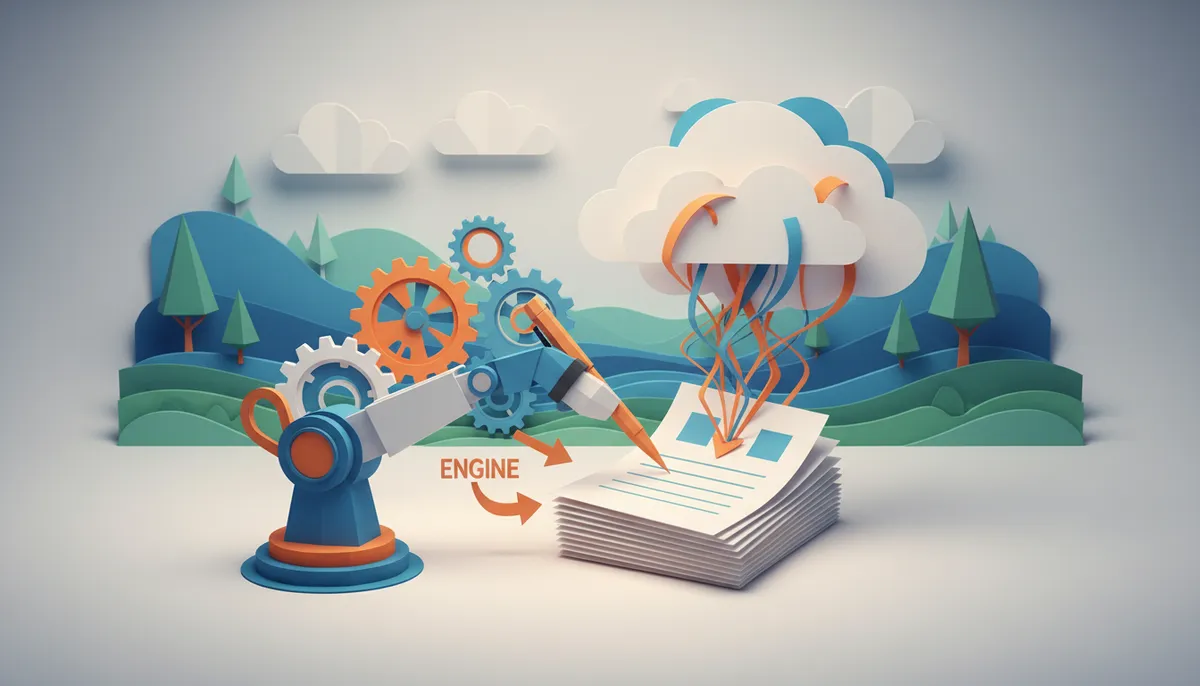
Generative Engine Optimization (GEO) is the practice of optimizing your content so AI systems can easily find, understand, and reference it when generating answers. Think of it as SEO’s evolution for the AI age. Instead of competing for clicks on a search results page, you’re positioning your content to be cited as a trusted source within AI-generated responses.
When someone asks ChatGPT a question, searches in Google’s AI Overview, or uses Perplexity, these systems pull information from across the web to create synthesized answers. GEO ensures your content is part of that synthesis. It’s about making your expertise discoverable and citable by large language models (LLMs) like GPT-4, Claude, Gemini, and others.
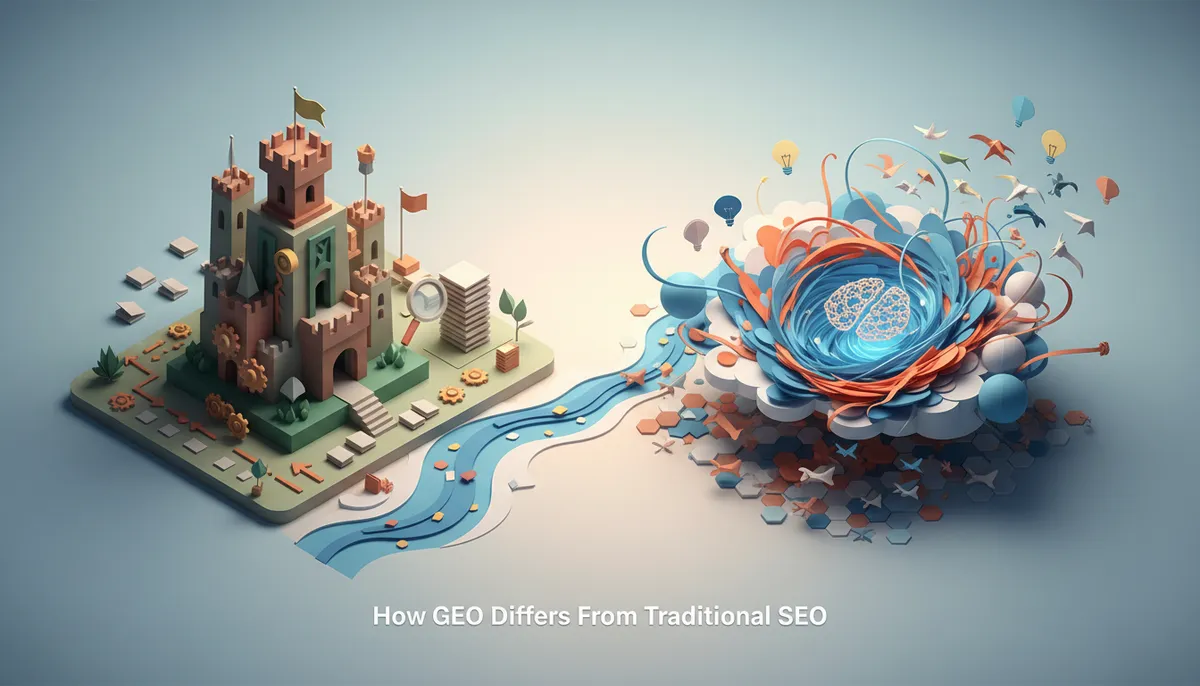
The core difference is simple. Traditional SEO gets you ranked on a list. GEO gets you included in the answer itself. That’s a powerful distinction because it positions your brand as an authority without requiring users to click through multiple links.
How GEO Differs From Traditional SEO
While GEO and SEO share common goals—visibility and authority—they operate differently. Understanding these differences helps you adapt your content strategy effectively.
Focus on Answer Quality Over Rankings
Traditional SEO prioritizes ranking positions. You want to be number one on Google’s first page. GEO shifts the focus to being included in the answer. Your content might not be the top-ranked page, but if it contains the most quotable, accurate information, AI systems will reference it.
This means your content needs to directly answer questions with clarity. Long-winded introductions won’t help. AI models favor content that gets straight to the point with facts, data, and structured information.
Content Structure Matters More
AI systems process content differently than human readers. While humans can skim and find what they need, AI models rely on clear structure to extract information. GEO requires:
- Descriptive subheadings that signal topic changes
- Bullet points and numbered lists for scannable information
- Clear topic sentences that summarize each section
- Data points, statistics, and quotable statements
- Proper use of schema markup and structured data
When your content follows these patterns, AI models can easily identify relevant sections and extract key facts. This increases your chances of being cited in generated responses.
Citations Replace Backlinks
In traditional SEO, backlinks from authoritative sites boost your rankings. In GEO, getting cited by AI systems becomes the new currency of authority. When ChatGPT or Perplexity references your content as a source, that’s equivalent to earning a high-quality backlink.
According to research from Previsible’s 2025 AI Traffic Report, AI-referred sessions jumped 527% between January and May 2025. This explosive growth shows how rapidly AI systems are becoming primary information sources. Getting cited means reaching audiences who might never visit traditional search engines.

Why GEO Matters for Your Business in 2026
The way people search for information has fundamentally changed. AI-powered search isn’t a future possibility—it’s happening right now. Here’s why GEO should be part of your content strategy.
AI Search Adoption Is Exploding
Consider these statistics: 43% of professionals now use ChatGPT for work-related tasks, according to a Glassdoor/Fishbowl study. Perplexity processes over 500 million queries monthly. Google’s AI Overviews appear on millions of search results. These aren’t niche tools anymore—they’re mainstream.
When your target audience asks questions, they’re increasingly getting answers from AI systems instead of clicking through traditional search results. If your content isn’t optimized for these systems, you’re missing a massive opportunity to reach potential customers.
Traditional Search Traffic Is Declining
As AI provides direct answers, fewer people click through to websites from traditional search results. This trend will only accelerate. GEO helps you maintain visibility even as user behavior shifts away from clicking search links.
By optimizing for AI citations, you ensure your brand stays visible in this new landscape. When someone receives an AI-generated answer that references your content, you’ve achieved awareness without requiring a click. That’s powerful brand positioning.
Early Adopters Gain Competitive Advantage
Most businesses haven’t yet adapted their content strategies for GEO. This creates an opportunity. Companies that optimize for AI citations now will establish authority before competitors catch up. Being an early adopter means capturing market share while others are still figuring out what GEO even means.
Platforms like SEO Rocket are already building GEO optimization into their automated content workflows. This allows businesses to produce AI-friendly content at scale without manual effort. Early adoption of tools like this creates a lasting competitive edge.

Key Principles of Effective GEO
Implementing GEO requires understanding what AI systems look for when selecting content to reference. These principles form the foundation of a successful GEO strategy.
1. Prioritize Factual Accuracy and Authority
AI models favor authoritative, well-researched content. They’re designed to synthesize accurate information, so they naturally gravitate toward sources that demonstrate expertise. Every claim should be backed by data, research, or credible citations.
Include author credentials, publication dates, and source attributions. These signals help AI systems determine trustworthiness. When your content consistently demonstrates authority, it becomes a preferred source for AI-generated answers.
This aligns perfectly with Google’s E-E-A-T principles (Experience, Expertise, Authoritativeness, Trustworthiness). Content that satisfies E-E-A-T for traditional SEO naturally performs better in GEO as well. To learn more about these quality standards, review the Search Quality Rater Guidelines.
2. Use Clear, Structured Formatting
AI systems extract information more easily from well-structured content. Here’s what works best:
- Descriptive headings: Use H2 and H3 tags that clearly indicate what each section covers. Avoid clever or vague titles.
- Short paragraphs: Keep paragraphs to 2-4 sentences. This makes content easier to parse and extract.
- Lists and tables: Present data in organized formats. Numbered lists for sequential information, bullet points for features or benefits, and tables for comparisons work exceptionally well.
- Definition sentences: Start sections with clear definitions. “X is Y” statements help AI models understand context quickly.
When AI systems scan your content, they’re looking for patterns that signal where important information lives. Structured formatting provides those signals.
3. Answer Questions Directly and Concisely
AI-generated answers tend to be concise. Your content should reflect this preference. Include direct, quotable answers to common questions within your articles.
For example, if you’re writing about GEO, include sentences like: “Generative Engine Optimization helps businesses get cited in AI-generated answers rather than just ranking in search results.” This type of clear, definitive statement is perfect for AI systems to extract and use.
Think about the questions your audience asks. Then provide straightforward answers in language that’s easy to understand. Avoid unnecessary complexity or jargon unless your audience specifically requires technical terminology.
4. Include Rich Data and Statistics
AI systems love citing specific data points. Including statistics, percentages, dates, and numerical facts makes your content more valuable as a reference source. When possible, present data in formats that are easy to extract:
- Standalone statistics in bold or highlighted text
- Tables comparing different options or timeframes
- Specific numbers rather than vague descriptions
- Dates and timeframes for context
Original research or proprietary data is particularly valuable. If you conduct surveys, analyze industry trends, or compile unique datasets, present those findings clearly. AI systems will cite original sources, giving you authority in your niche.
5. Optimize for Semantic Relevance
GEO relies heavily on semantic understanding. AI models don’t just match keywords—they understand context, intent, and relationships between concepts. This means your content should comprehensively cover topics rather than focusing narrowly on exact-match keywords.
Use natural language that addresses user intent. Include related concepts, synonyms, and contextual information. When someone asks about “content automation,” they might also want to know about “AI writing tools,” “SEO workflow optimization,” or “automated publishing.” Covering these related topics creates semantic richness.
Practical GEO Strategies You Can Implement Today
Understanding GEO principles is one thing. Putting them into practice is another. Here are actionable strategies you can start implementing immediately.
Create FAQ-Style Content
Frequently asked questions are perfect for GEO. They provide direct, quotable answers to common queries. Structure content with clear questions as subheadings, followed by concise answers.
This format aligns perfectly with how AI systems generate responses. When someone asks ChatGPT or Perplexity a question, the system looks for content that addresses that exact query. FAQ-style articles make extraction easy.
Include questions your customers actually ask. Review customer support tickets, social media comments, and sales calls. These real-world questions reveal what people want to know. Answering them positions your content as a valuable reference source.
Update Existing Content With GEO in Mind
You don’t have to create everything from scratch. Review your existing high-performing content and enhance it for GEO. Add structured data, include more specific statistics, break up long paragraphs, and insert clear headings.
Look for articles that already rank well in traditional search. These pieces have proven value. By adding GEO optimization—better structure, more data points, clearer answers—you make them even more valuable for AI systems to reference.
This approach delivers quick wins. You’re building on content that already performs while adapting it for the AI era.
Implement Schema Markup
Schema markup helps AI systems understand your content’s context and structure. It provides explicit signals about what information your page contains. Common schema types valuable for GEO include:
- FAQPage schema for FAQ content
- Article schema for blog posts and guides
- HowTo schema for instructional content
- Organization schema for business information
- Product schema for product-related content
While schema markup has always been useful for SEO, it becomes even more critical for GEO. AI systems use structured data to quickly identify and extract relevant information. Implementing schema gives you an edge in getting cited.
Focus on Long-Form, Comprehensive Content
AI systems favor comprehensive resources that thoroughly cover topics. Long-form content typically provides more context, data, and quotable information than short articles. Aim for depth rather than brevity.
This doesn’t mean adding fluff. Every section should provide value. But comprehensive coverage of a topic—including multiple perspectives, detailed explanations, and supporting data—creates more opportunities for AI citation.
Platforms like SEO Rocket automatically generate 3,000+ word articles optimized for both traditional SEO and GEO. This comprehensive approach ensures content has the depth AI systems prefer while maintaining readability for human audiences.
Create Quote-Worthy Statements
Include specific, authoritative statements that AI systems can quote directly. These might be definitions, key statistics, expert opinions, or clear recommendations. Format them in ways that stand out:
- Start paragraphs with bold topic sentences
- Use pullquotes for particularly important points
- Include expert attributions when citing other sources
- Create clear “X is Y” definition statements
When AI systems scan content, they look for statements that directly answer queries. Making these statements easy to identify increases your chances of being cited.
Common GEO Mistakes to Avoid
As you implement GEO strategies, watch out for these common pitfalls that can undermine your efforts.
Sacrificing Readability for Optimization
While structure and formatting matter for AI, your content still needs to serve human readers. Don’t create robotic, keyword-stuffed content just because you think AI systems will prefer it. The best GEO content is naturally readable for both humans and machines.
Write for your audience first. Then enhance structure and formatting to make extraction easier. This balance ensures your content remains engaging while being AI-friendly.
Ignoring Traditional SEO Fundamentals
GEO doesn’t replace SEO—it complements it. Continue following SEO best practices: keyword research, meta descriptions, internal linking, site speed, mobile optimization, and quality backlinks. These fundamentals still matter.
A page can excel in GEO but fail in traditional search if it neglects basic SEO principles. The most effective strategy combines both approaches. Content that ranks well in Google AND gets cited by AI systems maximizes your visibility across all channels.
Using Vague or Unclear Language
AI systems struggle with ambiguity. Avoid vague statements like “it depends” or “results may vary” without providing context. Be specific. Use concrete examples. Provide clear recommendations.
If nuance is necessary, structure it clearly: “In scenario A, option X works best. In scenario B, option Y is preferable.” This type of conditional clarity helps AI systems extract accurate information for different contexts.
Neglecting Regular Content Updates
AI systems favor fresh, current information. Content with outdated statistics, old dates, or references to past years signals staleness. Regular updates keep your content relevant and increase citation likelihood.
Set a schedule to review and refresh high-performing content quarterly. Update statistics, add new developments, and remove outdated information. This maintenance ensures your content remains a reliable source AI systems want to reference.
Measuring GEO Success
Understanding whether your GEO efforts are working requires new metrics beyond traditional SEO measurements. Here’s what to track.
AI Citation Tracking
The most direct measure of GEO success is getting cited by AI systems. Manually test your target keywords in ChatGPT, Perplexity, Claude, and Google’s AI Overviews. Does your content appear in the generated responses? Are you being cited as a source?
Create a spreadsheet tracking which queries result in citations. Monitor this monthly to see if your GEO optimization is improving citation rates. As AI systems update and your content evolves, citation frequency should increase.
Branded Search Volume
When AI systems cite your brand or content, curious users often search for you directly. Monitor branded search volume for increases. This indirect metric indicates growing awareness driven by AI citations.
Tools like Google Search Console show branded query trends. Correlate spikes in branded searches with content publishing dates to identify which pieces drive awareness through AI citations.
Referral Traffic From AI Platforms
Some AI systems include clickable source links in their responses. Track referral traffic from these platforms in Google Analytics. Look for traffic sources like:
- perplexity.ai
- chat.openai.com
- claude.ai
- Direct traffic spikes following AI citations
While not all AI citations drive direct clicks, monitoring referral patterns helps you understand which content AI systems favor and which platforms drive the most engaged traffic.
Featured Snippet Captures
Google’s featured snippets share characteristics with AI-generated answers. Both favor clear, concise, structured content. Tracking featured snippet captures provides insight into how well your content is optimized for extraction.
Use SEO tools to monitor featured snippet ownership for target keywords. Increasing featured snippet captures often correlates with improved GEO performance, as the optimization strategies overlap significantly.
GEO and Content Automation
Implementing GEO manually across dozens or hundreds of articles is time-consuming. This is where content automation platforms become invaluable. Modern systems can build GEO best practices directly into their content generation workflows.
For example, SEO Rocket generates articles with built-in GEO optimization. Each piece includes clear structure, data-rich content, proper formatting, and schema markup—all the elements AI systems look for. This automation ensures consistent GEO implementation across your entire content library.
The platform’s daily publishing feature is particularly valuable. Consistent content production signals authority to both traditional search engines and AI systems. Publishing one optimized article daily creates a growing library of citation-worthy content that compounds visibility over time.
Content automation also solves the scalability challenge. Manual GEO optimization is feasible for a few high-priority articles. But comprehensive coverage requires producing and optimizing dozens of pieces monthly. Automated systems make this achievable without expanding your team.
The key is choosing automation that prioritizes quality and GEO principles. Not all AI writing tools understand GEO requirements. Look for platforms specifically designed to optimize for both traditional search and AI citations. To see examples of GEO-optimized content, check out writing samples from leading automation platforms.
The Future of GEO
GEO is still evolving. As AI systems become more sophisticated and user adoption grows, optimization strategies will continue to develop. Here’s what to watch for in the coming years.
Multi-Modal Content Integration
Future AI systems will better understand images, videos, and audio alongside text. This means GEO will expand beyond written content. Optimizing visual elements with proper alt text, captions, and structured metadata will become increasingly important.
Video transcripts, image descriptions, and audio summaries will all contribute to GEO performance. Content that integrates multiple media types while maintaining clear structure and context will have an advantage.
Personalized AI Responses
AI systems are moving toward personalization, generating answers tailored to individual user contexts and preferences. This means GEO will need to account for different audience segments and use cases.
Creating content that addresses multiple perspectives and scenarios positions you well for personalized AI responses. Comprehensive coverage that acknowledges different situations increases the likelihood of being cited regardless of personalization variables.
Direct Business Integration
AI systems are beginning to integrate directly with business functions—answering product questions, providing recommendations, and even facilitating transactions. GEO will expand to include optimization for these commercial interactions.
Businesses that optimize product information, service descriptions, and customer support content for AI understanding will capture these emerging opportunities. This goes beyond marketing content to include operational information AI systems might reference.
Getting Started With GEO Today
If you’re ready to begin implementing GEO, start with these practical first steps.
Audit Your Existing Content
Review your top-performing articles and assess them against GEO principles. Do they include clear structure, data points, and quotable statements? Are headings descriptive? Is information easy to extract?
Identify quick wins—high-traffic pieces that need only minor improvements to become more GEO-friendly. Prioritize updating these first to maximize impact with minimal effort.
Create a GEO Content Template
Develop a content template that incorporates GEO best practices. Include sections for:
- Clear introduction with topic definition
- FAQ section with direct questions and answers
- Data-rich sections with statistics and tables
- Descriptive subheadings throughout
- Summary or conclusion with key takeaways
- Schema markup checklist
Using a template ensures every new piece of content follows GEO principles from the start. This consistency builds a library of citation-worthy content over time.
Test Your Content in AI Systems
After publishing new content, test how AI systems handle queries related to your topic. Ask ChatGPT, Perplexity, and other platforms questions your content answers. Does your content appear in responses? Are you cited as a source?
This testing reveals what’s working and what needs improvement. Iterate based on results. If certain content structures consistently get cited, use those patterns more frequently.
Consider Automation for Scale
If you need to produce significant amounts of GEO-optimized content, evaluate automation platforms. Manual creation works for small volumes, but scaling requires systematic approaches.
Look for platforms that understand GEO requirements and can generate content with proper structure, formatting, and optimization built in. This allows you to build authority across multiple topics without overwhelming your team. Many businesses find that investing in automation delivers better ROI than hiring additional writers or agencies.
Platforms offering free trials let you test quality before committing. Take advantage of trial periods to verify content meets your standards for both human readers and AI systems. If you’re curious about how automation handles GEO, sign up for a trial and see firsthand how optimized content performs.
Conclusion
Generative Engine Optimization represents a fundamental shift in how content gains visibility online. As AI systems become the primary way people discover information, businesses must adapt their content strategies accordingly. GEO isn’t replacing SEO—it’s expanding it to encompass AI-powered discovery channels that are growing exponentially.
The core principles are straightforward: create authoritative, well-structured content that AI systems can easily understand and cite. Focus on clarity, data, and comprehensive coverage. Make your expertise quotable and discoverable by large language models.
Businesses that embrace GEO early gain significant competitive advantages. They establish authority in AI-generated responses while competitors are still focused solely on traditional search rankings. This dual visibility—appearing both in search results and AI answers—maximizes reach and positions brands as trusted industry authorities.
Implementation doesn’t require starting from scratch. Enhance existing content with GEO principles. Create new pieces using structured templates. Consider automation for scale. Test results and iterate based on what AI systems cite most frequently.
The future of search is conversational and AI-powered. Your content strategy needs to evolve to match. By understanding and implementing GEO, you ensure your business remains visible, relevant, and authoritative in this new landscape. Ready to streamline your GEO content creation and start publishing AI-optimized articles daily? Start for $99/month and let automation handle the heavy lifting while you focus on growing your business.
FAQs
Q: How does GEO differ from traditional SEO?
A: Traditional SEO focuses on ranking your website in search engine results pages, while GEO focuses on getting your content cited within AI-generated answers. SEO aims for clicks, whereas GEO aims for inclusion in synthesized responses from systems like ChatGPT, Perplexity, and Google AI Overviews. Both are important in 2026.
Q: Which AI systems should I optimize for with GEO?
A: Focus on major AI platforms including ChatGPT, Google AI Overviews, Perplexity, Claude, Gemini, Microsoft Copilot, and Grok. These systems collectively process billions of queries monthly and represent the primary channels where users now discover information through AI-generated answers.
Q: Can I implement GEO on my existing content?
A: Absolutely! You don’t need to start from scratch. Review your current high-performing articles and enhance them with GEO principles: add clear structure, include data points and statistics, create descriptive headings, implement schema markup, and ensure answers are direct and quotable. This approach delivers quick wins.
Q: How long does it take to see results from GEO optimization?
A: GEO results vary based on content quality, topic authority, and competition. Some businesses see AI citations within weeks, while others take months to build sufficient authority. Consistent publishing of GEO-optimized content accelerates results. Daily publishing creates compounding visibility as your content library grows.
Q: Do I need special tools to implement GEO?
A: You can implement GEO manually, but automation platforms like SEO Rocket streamline the process by building GEO best practices into content generation. These tools ensure consistent optimization across all content, saving time while maintaining quality. Automation becomes essential when scaling to dozens of articles monthly.