Key Takeaways
- SEO Rocket provides complete end-to-end content automation, generating 3,000+ word articles daily with minimal manual intervention.
- The platform offers unique optimization for both traditional search engines and AI search platforms like ChatGPT and Gemini.
- SEO Rocket’s pricing is highly cost-effective, delivering articles for approximately $3 each compared to manual content creation costs.
- Consistent daily publishing through automation creates compounding SEO effects, generating 365 indexed pages annually.
- The platform supports multi-client agency workflows with scalable features like 10 separate client workspaces and unlimited team members.
- Native CMS integrations with WordPress, Webflow, Shopify, and Wix enable direct publishing without additional manual steps.
Choosing the right SEO content automation tool can make or break your digital marketing strategy in 2026. With AI-powered platforms rapidly transforming how businesses approach search engine optimization, making the wrong decision can cost thousands of dollars and months of lost ranking opportunities. SEO Rocket and LovaRank both promise to enhance your SEO performance, but the differences between them are substantial. This comprehensive comparison will help you avoid common pitfalls when evaluating these platforms, ensuring you invest in the solution that truly delivers automated content creation, AI search optimization, and consistent ranking improvements for your business or agency.
Mistake 1: Choosing a Tool Without True End-to-End Automation
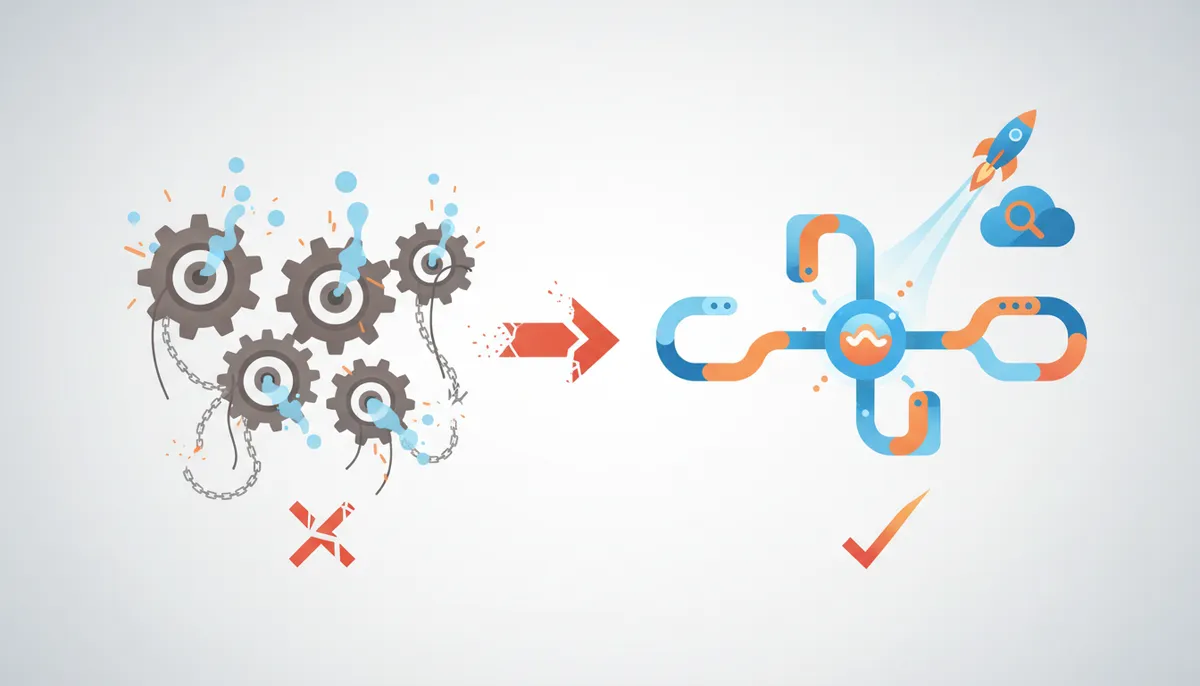
The biggest mistake businesses make is selecting an SEO platform that claims automation but still requires extensive manual intervention. Many tools in the market automate one or two steps while leaving you with hours of additional work. This creates bottlenecks that defeat the purpose of automation altogether.
LovaRank offers AI-driven content optimization and keyword research capabilities, positioning itself among competitive AI SEO tools like Surfer SEO and Jasper. However, it primarily focuses on content optimization and competitive analysis rather than complete automation from research through publishing. Users typically need to manually handle content creation, editing, and publishing workflows.
SEO Rocket takes a fundamentally different approach with genuine end-to-end automation. The platform handles keyword discovery, competitor analysis, market opportunity mapping, daily long-form content generation, AI-optimized metadata creation, internal and external linking, business mentions, AI-generated images, video embeds, real-time SEO scoring, auto-fix suggestions, and direct publishing to your website. Setup takes under 10 minutes, and the system operates independently thereafter, producing one 3,000-word article daily for the Business plan or 10 articles daily for the Agency plan.
This distinction matters significantly for small SEO agencies and in-house marketing teams working with limited resources. True automation means your team can focus on strategy and client relationships rather than content production logistics. SEO Rocket’s automated workflow eliminates the need for constant platform management, delivering consistent output without ongoing supervision.

Mistake 2: Ignoring AI Search Engine Optimization
Many businesses make the critical error of selecting SEO tools designed exclusively for traditional Google search without considering the explosive growth of AI-powered search platforms. In 2026 and beyond, visibility extends far beyond Google to include ChatGPT, Perplexity, Claude, Gemini, Copilot, and Grok.
LovaRank focuses primarily on traditional on-page SEO optimization and improving content performance for conventional search engines. While effective for Google rankings, this approach doesn’t specifically address the unique requirements of AI search engines that now answer millions of queries daily.
SEO Rocket was built specifically for both Google and AI-powered search ecosystems. Articles are structured so AI models can reference them as trusted sources during conversations and AI overviews. This dual optimization approach helps businesses appear not just in search results but inside AI answers themselves, capturing traffic from multiple channels simultaneously. For e-commerce SEO specialists and digital marketing consultants, this multi-platform visibility represents a significant competitive advantage that compounds over time.
Mistake 3: Overlooking Content Length and Depth Requirements
A common oversight when comparing SEO platforms is failing to evaluate the default content length and depth each tool produces. Short-form content rarely ranks competitively in 2026, yet many tools generate 500-1,500 word articles that lack the comprehensive coverage search engines reward.
LovaRank excels at optimizing existing content and providing insights for content improvement. However, the platform itself doesn’t automatically generate long-form articles. Users must create the initial content through other means, then use LovaRank for optimization guidance. This workflow requires either hiring writers, using separate AI writing tools, or spending significant time producing content manually.
SEO Rocket generates 3,000+ word comprehensive articles as its standard output. Each piece includes detailed sections, proper heading structure, relevant examples, data points, FAQs, and optimized metadata. This long-form approach directly addresses what both Google and AI search engines favor: thorough, authoritative content that fully answers user queries. For content managers responsible for large websites, this eliminates the need to coordinate between multiple tools or team members to achieve competitive content depth.
Mistake 4: Underestimating Publishing Integration Requirements
Many businesses select SEO tools without thoroughly evaluating how content moves from creation to live publication. This oversight creates friction that slows content velocity and requires additional manual steps that negate automation benefits.
LovaRank provides optimization recommendations and competitive insights but doesn’t include direct publishing capabilities to content management systems. Users must copy optimized content and manually publish it to WordPress, Webflow, Shopify, Wix, or other platforms. This extra step introduces delays, formatting issues, and additional quality control requirements.
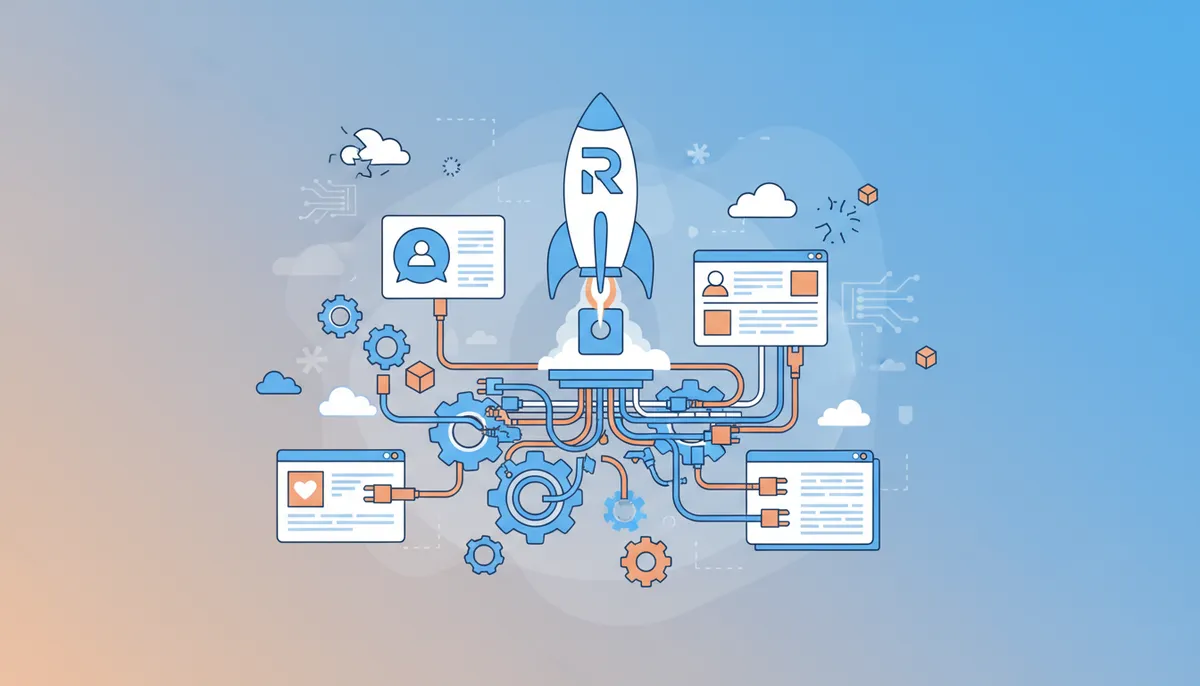
SEO Rocket offers native integrations with WordPress, Webflow, Shopify, and Wix, publishing optimized articles directly to your website without manual intervention. The platform handles all formatting, image insertion, link placement, and metadata configuration automatically. This seamless publishing capability means content goes live daily without requiring staff to log into multiple systems. For small business owners managing operations with limited teams, this integration eliminates a significant time burden and ensures consistent publishing schedules.
| Feature | SEO Rocket | LovaRank |
|---|---|---|
| Automated Content Generation | Yes (3,000+ words daily) | No (optimization only) |
| Direct CMS Publishing | WordPress, Webflow, Shopify, Wix | Manual export required |
| AI Search Optimization | Google + ChatGPT, Perplexity, Claude, Gemini, Copilot, Grok | Traditional search focus |
| Setup Time | Under 10 minutes | Varies by implementation |
| Daily Automation | Complete hands-off operation | Requires ongoing input |
| Content Length | 3,000+ words standard | Depends on user input |

Mistake 5: Failing to Calculate True Cost Per Article
Price comparisons between SEO platforms often focus on monthly subscription costs without calculating the actual cost per completed, published article. This superficial analysis leads to poor investment decisions that don’t account for hidden costs like additional tools, writer fees, or staff time.
LovaRank’s pricing is competitive within the AI SEO tool segment, though exact figures vary by plan and usage requirements. However, because it functions as an optimization tool rather than a complete content production system, users must factor in costs for content creation through writers, freelancers, or separate AI writing tools. When combined with staff time for publishing and quality control, the total cost per article can easily exceed $50-$150 depending on content quality expectations.
SEO Rocket delivers approximately $3 per long-form article when calculated against the Business plan ($99/month for 30 articles) or Agency plan ($799/month for 300 articles). This cost includes keyword research, content generation, optimization, images, links, metadata, and publishing. No additional tools, writers, or platforms are required. For digital marketing consultants serving multiple clients, this cost efficiency enables higher profit margins while delivering premium results. The platform also offers a $1,499 lifetime plan that eliminates recurring subscription costs entirely, providing permanent access without monthly fees.
Hidden Costs to Consider
Beyond subscription pricing, evaluate these often-overlooked expenses when comparing platforms:
- Additional AI writing tool subscriptions if your SEO platform doesn’t generate content
- Freelance writer costs for content creation at $50-$500 per article
- Staff hours spent on content editing, formatting, and publishing
- Image licensing or creation costs if not included in your platform
- Technical implementation and integration development time
- Training time for team members to use multiple disconnected tools
These hidden costs can multiply your effective monthly investment by 3-10x compared to the base subscription price. SEO Rocket’s transparent all-inclusive pricing eliminates these budget surprises, making cost planning straightforward and predictable for agencies and businesses alike.
Mistake 6: Neglecting Agency and Multi-Client Scalability
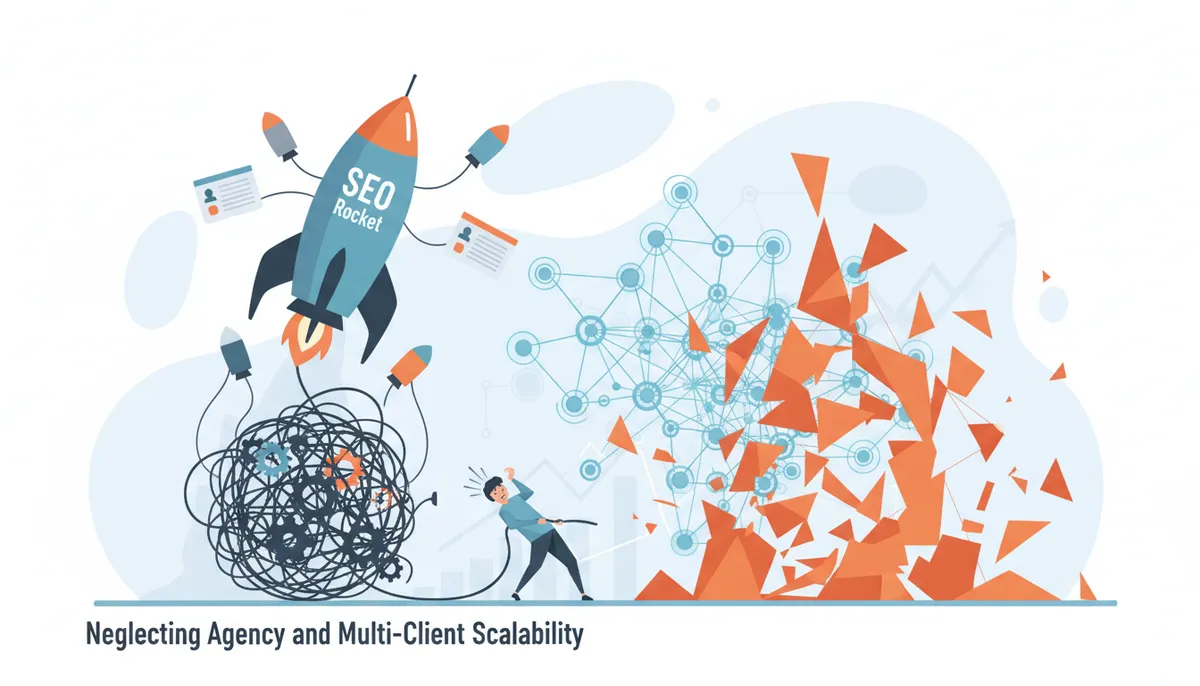
Small SEO agencies often select tools based on single-website needs without considering scalability requirements as their client roster grows. This shortsightedness leads to operational bottlenecks and platform switching costs down the road.
LovaRank is reviewed on platforms like Capterra and GetApp where alternatives and competitors are listed, reflecting its market adoption for individual websites and smaller implementations. However, information about dedicated agency features, multi-client workspace management, or scalable pricing structures is limited in current market comparisons.
SEO Rocket was designed with agency scalability as a core feature. The Agency plan supports 10 separate client workspaces with 300 total monthly articles, allowing agencies to manage multiple client accounts within one platform. Each workspace maintains independent settings, content calendars, keyword strategies, and publishing schedules. The platform includes unlimited team members, enabling agencies to provide client access without additional per-seat fees. This architecture supports growth from solo consultants to full-service agencies without requiring platform migrations or complex workarounds.
Mistake 7: Disregarding Consistency and Compounding SEO Effects
The final critical mistake is underestimating the importance of consistent daily publishing for long-term SEO success. Sporadic content production, regardless of quality, cannot compete with the compounding effects of regular, sustained publishing schedules.
LovaRank helps optimize content when you create it, but maintaining daily or weekly publishing consistency depends entirely on your content production capacity. Most businesses struggle to maintain this consistency manually, leading to irregular publishing patterns that limit SEO momentum.
SEO Rocket’s automated daily publishing creates consistent content velocity that compounds over time. Publishing one article daily generates 365 indexed pages annually, creating an expanding foundation of ranking content. This consistency signals authority to search engines and builds topical relevance across your domain. The visual content calendar automatically fills with keyword opportunities discovered through competitor analysis and market research, ensuring you never run out of relevant topics. For in-house marketing teams managing tight deadlines, this automated consistency removes the pressure of maintaining publishing schedules while juggling other responsibilities.
The Compounding Effect Explained
Consistent publishing creates exponential rather than linear SEO growth:
- Month 1-3: Individual articles begin ranking for long-tail keywords, generating initial traffic
- Month 4-6: Topical authority increases as content clusters develop around core themes
- Month 7-12: Domain authority strengthens, enabling faster ranking for competitive terms
- Year 2+: Established authority allows new content to rank faster, while older content generates consistent passive traffic
This compounding effect only occurs with sustained consistency. Missing weeks or months breaks the momentum and extends the timeline to achieve significant results. Automation ensures this consistency regardless of team bandwidth, holidays, or competing priorities.
Making the Right Choice for Your SEO Strategy
When comparing SEO Rocket and LovaRank, the fundamental question centers on what type of solution your business actually needs. LovaRank serves businesses that already have content production systems in place and need optimization guidance to improve existing workflows. It integrates well with established content teams who handle creation manually but want AI-powered insights for competitive analysis and on-page optimization.
SEO Rocket, by contrast, replaces entire content production workflows with complete automation. It’s purpose-built for businesses and agencies that want to eliminate manual SEO work entirely while achieving superior results through consistent, AI-optimized content. The platform delivers long-form articles daily, optimizes for both traditional and AI search engines, publishes directly to websites, and operates without ongoing management. For organizations prioritizing efficiency, scalability, and predictable results, this represents a fundamentally different value proposition.
According to Google’s Search Quality Rater Guidelines, content quality and consistency are primary ranking factors. Both platforms can contribute to these goals, but through distinctly different operational models. Your choice should align with your team’s capacity, growth trajectory, and strategic priorities for 2026 and beyond.
Key Considerations for Your Decision of SEO Rocket vs Lovarank
Before finalizing your platform selection, evaluate these critical factors specific to your situation:
- Do you have in-house writers or budget for freelancers, or do you need complete content generation?
- Is your priority optimizing existing content or creating new content at scale?
- Do you need visibility in AI search engines beyond traditional Google rankings?
- Can your team maintain daily publishing consistency manually, or do you need automation?
- Are you managing one website or multiple client accounts requiring separate workspaces?
- What is your true cost per article when including all tools, labor, and time investments?
- Does your CMS integrate with your chosen platform for direct publishing?
For most businesses and agencies in 2026, the answers to these questions point toward comprehensive automation rather than optimization-only tools. The continuous improvements SEO Rocket delivers through its development roadmap further enhance the platform’s long-term value proposition.
Taking Action on Your SEO Content Strategy
The distinction between SEO Rocket and LovaRank ultimately reflects a strategic choice between optimization assistance and complete automation. As AI continues transforming search and content creation, platforms that offer end-to-end solutions provide stronger competitive advantages than those requiring multi-tool workflows and ongoing manual intervention.
SEO Rocket’s approach eliminates the seven critical mistakes outlined in this comparison: it provides true end-to-end automation, optimizes for AI search engines, generates comprehensive long-form content, publishes directly to websites, delivers industry-leading cost efficiency, scales for agency growth, and ensures consistent daily publishing for compounding SEO effects. These capabilities address the specific needs of small SEO agencies, in-house marketing teams, content managers, digital marketing consultants, e-commerce SEO specialists, and small business owners who need results without expanding their teams.
If you’re ready to transform your SEO content strategy with a platform that handles everything from keyword research to daily publishing without manual work, start your SEO Rocket journey today. The under-10-minute setup process means you can begin generating optimized content by tomorrow, building the consistent publishing momentum that drives long-term ranking success and traffic growth throughout 2026 and beyond.
FAQs
Q: What is the main difference between SEO Rocket and LovaRank?
A: SEO Rocket provides complete end-to-end automation from keyword research through daily content publishing, generating 3,000+ word articles automatically. LovaRank focuses on content optimization and competitive analysis for existing content, requiring users to handle content creation and publishing separately. SEO Rocket eliminates manual work entirely, while LovaRank enhances manual workflows with AI-powered insights.
Q: Does SEO Rocket optimize for AI search engines like ChatGPT and Perplexity?
A: Yes, SEO Rocket is specifically built to optimize content for both traditional Google search and AI-powered search engines including ChatGPT, Perplexity, Claude, Gemini, Copilot, and Grok. Articles are structured so AI models can reference them as trusted sources, helping businesses appear inside AI answers and overviews. This dual optimization approach provides visibility across multiple search platforms simultaneously.
Q: Can SEO Rocket handle multiple client accounts for agencies?
A: Yes, SEO Rocket’s Agency plan supports 10 separate client workspaces with 300 total monthly articles. Each workspace maintains independent settings, content calendars, keyword strategies, and publishing schedules. The platform includes unlimited team members without additional per-seat fees, making it ideal for agencies managing multiple client accounts within one consolidated platform.
Q: What is the true cost per article with SEO Rocket compared to LovaRank?
A: SEO Rocket delivers approximately $3 per complete, published article when using the Business plan ($99/month for 30 articles). This includes keyword research, content generation, optimization, images, links, metadata, and publishing. LovaRank requires separate content creation costs through writers or AI tools, plus staff time for publishing, typically resulting in $50-$150 per article when all expenses are included.
Q: How long does it take to set up SEO Rocket for automated publishing?
A: SEO Rocket setup takes under 10 minutes. You connect your website (WordPress, Webflow, Shopify, or Wix), review automatically discovered keyword opportunities, approve your content calendar, and the platform handles everything thereafter. No technical expertise or ongoing maintenance is required. The system begins generating and publishing optimized content immediately after setup completion.