Key Takeaways
-
Full SEO content automation platforms that handle keyword research, writing, optimization, and publishing remove the most manual work—saving time even at similar price points compared to cheaper tools that still require 2+ hours of manual work per article.
-
Google doesn't penalize AI-generated content; it penalizes low-quality, unoriginal, or misleading content at scale, so focus on search intent matching, original insights, and human fact-checking rather than keyword density.
-
Daily publishing consistency matters more than one-time content dumps because search engines and AI-powered search systems reward fresh, well-structured content, giving automation platforms that publish daily a real ranking advantage.
-
True SEO-ready tools must handle keyword research, SERP analysis, content briefs, drafting, on-page optimization, internal linking, and direct publishing—skipping these steps means you're doing SEO work yourself while paying for software.
-
Choose based on your specific situation: agencies need multi-client support and bulk generation, in-house teams need simple calendars, small business owners need cost-efficiency, and each requires different automation priorities.
-
Track organic traffic growth, keyword rankings, click-through rates, and conversions over 60-90 days to measure real ROI; if you're not monitoring these metrics, you're flying blind on whether your AI content is actually working.
Let’s be honest: picking the right AI blog writing tools for SEO feels overwhelming right now. New tools pop up every week. Each one promises to write your blog posts and magically send traffic your way. But here’s the thing—most of them just write words. They don’t actually understand SEO, search intent, or how to get your content in front of real people.
If you’re a small agency juggling five client accounts, an in-house marketer with a tiny team, or a business owner who just wants your website to bring in customers, you need more than a fancy text generator. You need a system that researches, writes, optimizes, and publishes content that actually ranks. That’s a completely different job than just “writing.”
In this guide, we’ll walk through five categories of AI blog writing tools for SEO, what makes each one tick, and how to tell the difference between a tool that generates fluff and one that builds real organic traffic. We’ll also share some straight-talk stats, a few comparison tables, and honest advice you can use today. Grab a coffee, and let’s get into it.
Why Plain AI Writers Aren’t Enough for SEO Anymore
Here’s a mistake a lot of people make. They open a general AI writing app, type in a topic, hit generate, and paste the result straight onto their blog. Then they wait. And wait. And nothing happens.
Why? Because Google isn’t grading you on word count. It’s grading you on whether your content actually helps someone. Google’s own Search Quality Rater Guidelines make it clear that content needs real expertise, trustworthiness, and genuine value to readers, not just keywords stuffed into paragraphs.
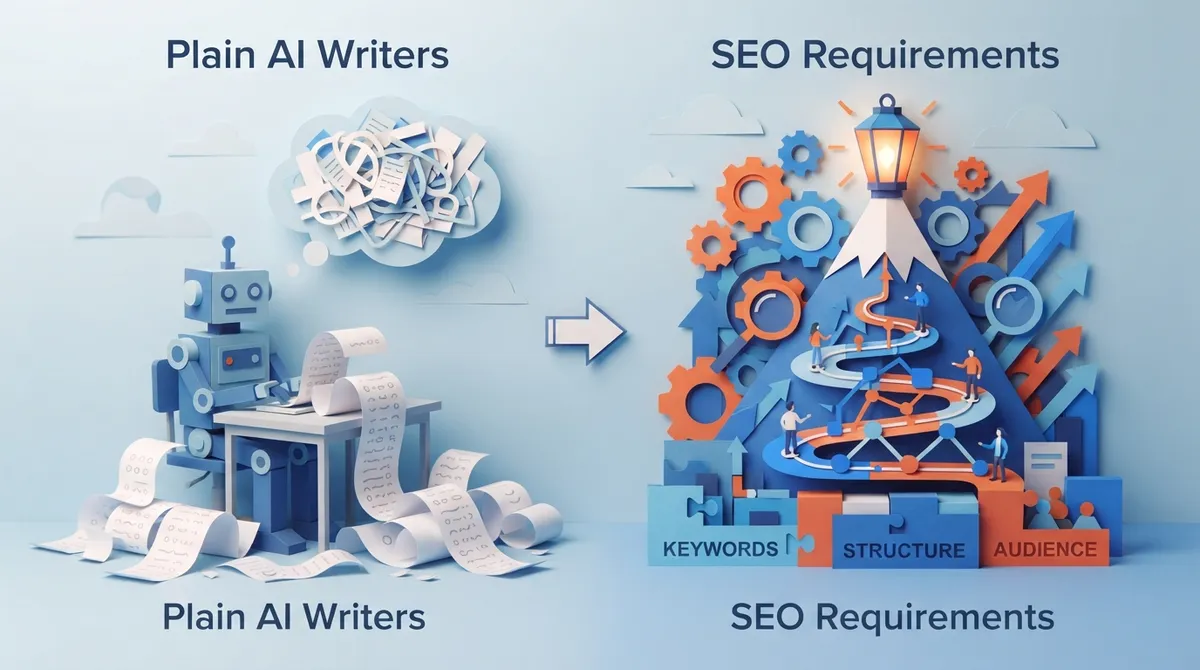
General-purpose AI writing platforms are great at brand voice and marketing copy. But most of them were never built with SERP analysis, keyword clustering, or search-intent matching in mind. That’s where SEO-first content automation platforms step in, and it’s a totally different animal.
What Actually Makes an AI Blog Writing Tool “SEO-Ready”
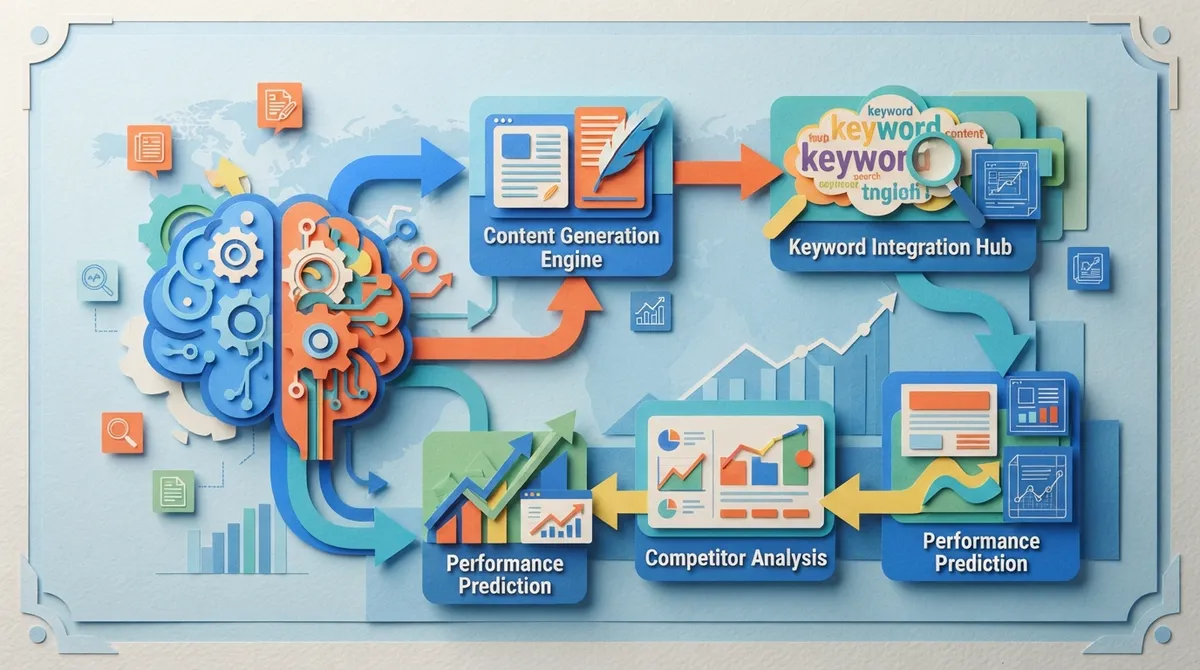
Before we rank anything, let’s define what “SEO-ready” really means. A true SEO content automation tool should handle most, if not all, of these steps:
- Keyword and search-intent research based on real search data
- SERP analysis to see what’s already ranking and why
- Content briefs or outlines built from competitor gaps
- Full article drafting that matches the topic depth needed to rank
- On-page optimization, including headers, meta tags, and keyword placement
- Internal linking to connect your content into one strong site structure
- Direct publishing to your website, without manual copy-pasting
If a tool skips most of these steps, you’re basically doing the SEO work yourself while paying for a fancy typewriter. That’s not automation. That’s just extra software.
5 AI Blog Writing Tools for SEO Worth Knowing About
Let’s break down five approaches you’ll run into when researching AI blog writing tools for SEO. We’ll keep this simple and practical, focusing on what each type is actually good at.
1. Full SEO Content Automation Platforms
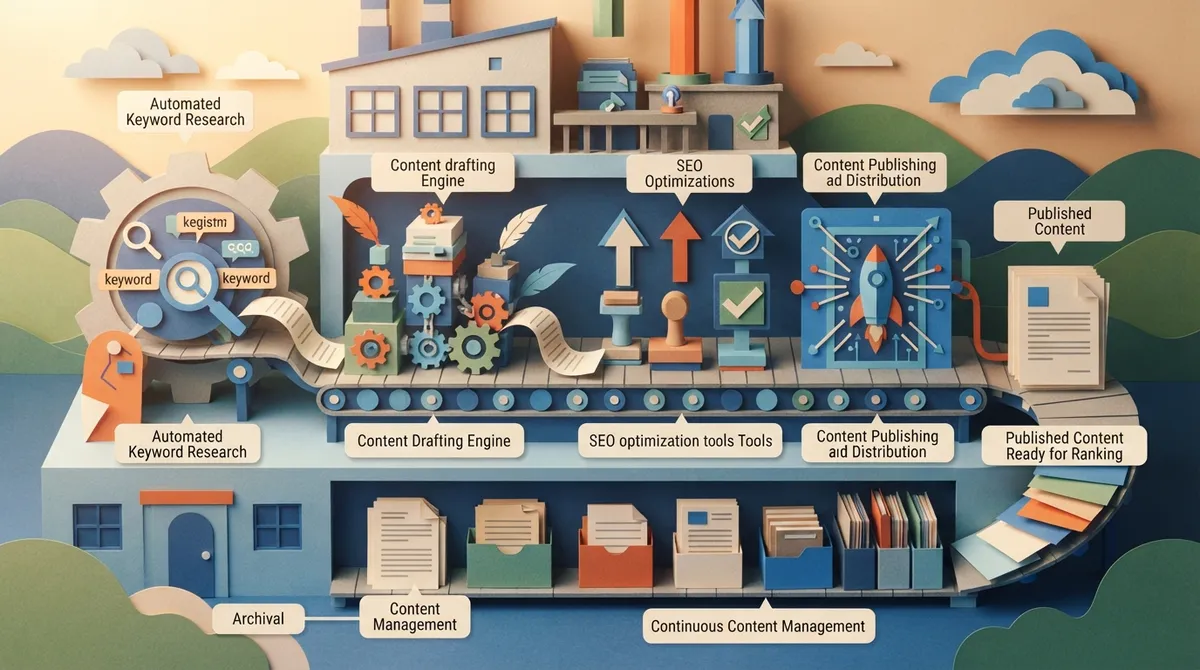
This category is built specifically to handle the entire content pipeline: research, writing, optimizing, and publishing. Instead of prompting an AI one article at a time, you set up a content calendar and let the system run.
SEO Rocket falls into this bucket. It includes a built-in keyword research engine with live SEO data, so you’re not guessing which topics are worth writing about. You can review real opportunities based on search volume, competition, and intent, then drop them straight into a visual content calendar. From there, one full article gets generated and published per day on the Business plan, following SEO best practices automatically. You can check out how the whole process works on the how it works page.
What makes this category stand out is the sheer amount of manual work it removes. You’re not managing spreadsheets, hiring writers, or hopping between five different tools. Everything from competitor analysis to metadata to internal linking happens without you lifting a finger.
2. SERP-Focused Optimization Tools
Some tools specialize in analyzing what’s already ranking and scoring your draft against it. These platforms are strong on data but often still require a human (or a separate AI writer) to actually produce the article. They’re useful for teams that already have writers but want sharper on-page optimization guidance.
3. General-Purpose AI Writing Assistants
These tools are fantastic for marketing copy, social captions, and brand voice consistency. But their SEO features usually depend on plugins or manual keyword input from the user. If you’re relying on one of these for blog SEO, you’ll likely need to do your own keyword research and internal linking separately.
4. Entry-Level AI Text Generators
Budget-friendly tools in this category are great for quick drafts, but they rarely include SERP data, content scoring, or publishing automation. They’re a fine starting point if you’re testing the waters, but they won’t scale well for a growing blog or multiple client accounts.
5. Hybrid Research-and-Draft Tools
These sit in the middle. They combine some keyword or topic modeling with drafting capability, often through entity or topic clusters. They’re a step up from plain text generators but usually still require manual publishing and internal linking work.
Comparing the Options: Speed, Cost, and Automation Level
Let’s put some of this side by side. Pricing and features shift often, so always double-check before committing, but here’s a general snapshot based on recent industry comparisons.
| Tool Type | Typical Monthly Cost | Automation Level | Publishing |
|---|---|---|---|
| Full SEO Content Automation (e.g., SEO Rocket) | ~$99/month | End-to-end, daily automatic | Direct to WordPress, Webflow, Shopify, Wix |
| SERP-Focused Optimization Tools | ~$45–$99/month | Partial, needs a writer | Manual copy-paste |
| General-Purpose AI Writers | ~$49–$69/month | Low SEO automation | Manual copy-paste |
| Entry-Level Generators | Free–$9/month | Minimal | Manual copy-paste |
| Hybrid Research-and-Draft Tools | ~$29–$79/month | Moderate | Manual or limited integration |
Notice the pattern? The tools that automate the most steps tend to save the most time, even if the sticker price looks similar to other options. When you factor in the hours saved on research, writing, editing, and publishing, full automation platforms usually come out ahead on real cost per article.
The Real Cost of “Free” or Cheap AI Writing Tools
It’s tempting to grab the cheapest tool and call it a day. But let’s do quick math. If a $9 tool saves you money upfront but still requires two hours of manual keyword research, editing, and publishing per article, you’re paying with your time instead of your wallet.
Compare that to a system that costs roughly $3 per article once you calculate the monthly subscription against the article volume. When automation handles research, drafting, optimization, and publishing, your actual time investment drops close to zero. That’s the real value calculation small agencies and busy marketing teams should be running.
How to Avoid Generic, Low-Quality AI Content
Google has been clear that content isn’t penalized just because AI helped create it. The problem starts when automation is used to churn out low-quality, unoriginal, or misleading content at scale, purely to game rankings.
Here’s how to keep your AI-assisted content genuinely helpful:
- Make sure every article answers a real question your audience is searching for
- Use tools that check search intent, not just keyword density
- Keep a human in the loop for fact-checking, especially on legal, medical, or financial topics
- Add original insights, examples, or data your competitors haven’t covered
- Avoid publishing hundreds of thin articles just to hit a volume target
Good SEO content automation platforms build these checks into the workflow. For example, real-time SEO scoring and auto-fix suggestions help catch weak spots before publishing, rather than after your rankings suffer.
Choosing Based on Your Team’s Size and Goals
Different teams have different needs. Here’s a quick breakdown of what to prioritize depending on your situation:
- Small SEO agencies: Look for multi-client support, white-label options, and bulk article generation so you can scale without hiring more writers.
- In-house marketing teams: Prioritize tools with a simple content calendar and minimal setup time, since you likely wear many hats already.
- Content managers: Focus on internal linking automation and consistent publishing schedules to keep large sites organized and fresh.
- Digital marketing consultants: Choose platforms that let you show clients fast, visible results without needing a huge team behind you.
- E-commerce SEO specialists: Seek tools that can handle high content volume for product and category pages efficiently.
- Small business owners: Cost-efficiency and ease of use matter most, since you likely don’t have a dedicated SEO person.
Whatever category you fall into, the goal is the same: consistent, quality content without burning out your team. You can see real examples of what automated output looks like on the writing examples page.
Why Daily Publishing Matters More Than Ever
Search engines reward sites that publish consistently. One big blog dump every few months doesn’t build the same momentum as steady, daily content. This is especially true now that AI-powered search engines like ChatGPT, Perplexity, Claude, Gemini, Copilot, and Grok are pulling from fresh, well-structured content to build their answers.
If your content isn’t structured clearly and updated regularly, you risk getting left out of both traditional search results and AI-generated answers. That’s why full automation platforms that publish daily, long-form articles have a real edge. Consistency compounds over time, turning into steady organic growth instead of one-time traffic spikes.
For more on how AI search visibility works, check out our guide on how to improve your AI search visibility in 2026, and see practical publishing strategies in our post on daily blog posting strategies that actually drive results.
Measuring Whether Your AI Content Is Actually Working
Generating articles is only half the job. You also need to track whether they’re driving results. Here are a few things worth watching:
- Organic traffic growth to new and updated pages
- Keyword ranking movement over 60 to 90 days
- Click-through rate from search results
- Time on page and bounce rate as quality signals
- Conversions or leads generated from blog traffic
If you’re not tracking these numbers, you’re flying blind. Good platforms build performance tracking directly into the dashboard, so you’re not stuck exporting spreadsheets every week. Learn more about the specific capabilities on the features page, or browse honest feedback from real users on the reviews page.
A Simple Path Forward
You don’t need ten different tools stitched together to build an SEO content engine. You need one system that handles research, writing, optimization, and publishing without constant babysitting. That’s the whole point of automation—it should save you time, not create more busywork.
If you’re ready to stop juggling spreadsheets and start publishing consistent, SEO-optimized content every single day, it might be time to try a platform built for exactly that. You can start for $99/month and see your first article generated within days, or explore more details on our about page before diving in.
Final Thoughts on AI Blog Writing Tools for SEO
The AI blog writing tools for SEO landscape is crowded, but the winners share one thing in common: they treat content as a system, not a one-off task. Whether you’re a solo business owner or running a growing agency, the right platform should save you hours every week while actually moving the needle on traffic.
Take time to test a few options, watch how they handle keyword research and publishing, and don’t be afraid to ask hard questions about automation depth. Your blog deserves more than generic text. It deserves a real strategy behind every post. For more insights on building smarter content systems, feel free to read our blog, or reach out through our contact page if you have questions. You can also check our changelog and roadmap to see what’s coming next.
Ready to put your SEO blog on autopilot? Sign up today and let automation handle the heavy lifting while you focus on growing your business.
FAQs
Q: What is the best AI blog writing tool for SEO?
A: The best tool depends on your needs, but full SEO content automation platforms tend to win because they handle keyword research, writing, optimization, and publishing all in one place. If you want a hands-off system that produces daily, ranking-focused articles, look for a platform that automates the entire workflow rather than just generating text.
Q: Can AI-generated blog posts actually rank on Google?
A: Yes, absolutely! Google doesn’t penalize content just because AI helped write it. What matters is whether the content is genuinely helpful, accurate, and well-optimized, so a good AI blog writing tool for SEO focused on quality and search intent can absolutely rank.
Q: Are AI-written articles against Google’s guidelines?
A: Nope, not automatically. Google’s guidelines focus on quality and intent to manipulate rankings, not the method of creation. As long as your content is original, valuable, and not mass-produced junk, you’re in good shape.
Q: How do AI SEO writing tools research keywords and analyze SERPs?
A: The strongest tools pull live search data to show search volume, competition, and intent, then compare that against what’s already ranking on Google. This helps you pick topics with real opportunity instead of guessing blindly.
Q: How should I measure the ROI of AI-generated SEO content?
A: Track organic traffic growth, keyword ranking movement, click-through rates, and conversions over 60 to 90 days. If those numbers are trending up after consistent publishing, your content strategy is working the way it should.