Key Takeaways
- AI content calendars automate content planning by analyzing audience behavior, competitor activity, and trending topics to recommend optimal posting strategies.
- Automated scheduling reduces quarterly planning time from weeks to a single day, allowing marketing teams to focus on creative strategy.
- AI systems can generate multiple content formats from a single campaign theme, increasing content output by 300-500% without proportionally increasing creative workload.
- Content recommendations are driven by performance analytics, predicting successful topics and formats based on historical engagement data.
- AI calendars directly align content strategy with specific business goals and KPIs, enabling measurable revenue impact tracking.
- Real-time trend integration allows businesses to quickly capitalize on emerging topics and maintain competitive intelligence.
- Advanced platforms maintain consistent brand voice across all generated content by establishing and enforcing communication style parameters.
Content planning has evolved dramatically with artificial intelligence reshaping how businesses schedule, create, and distribute their marketing materials. An AI content calendar leverages machine learning algorithms and predictive analytics to automate the traditionally time-consuming process of mapping out content strategies across multiple platforms. For marketing teams struggling to maintain consistency while managing limited resources, AI-powered content calendars represent a breakthrough solution that combines automation efficiency with strategic intelligence. These systems analyze audience behavior, competitor activity, and trending topics to recommend optimal posting schedules, content formats, and distribution channels—transforming content planning from a week-long quarterly exercise into an intelligent, data-driven process that takes mere hours.
The adoption of AI content calendar systems has accelerated rapidly, with nearly 60% of marketers now integrating AI tools into their content planning processes by 2025. This widespread embrace reflects the measurable impact these platforms deliver: Team-GPT, a digital marketing agency, reported a 30% increase in client engagement and a 20% rise in lead generation within six months after implementing an AI-driven content calendar. These results illustrate why businesses across industries are abandoning traditional spreadsheet-based planning in favor of intelligent systems that continuously optimize performance while reducing the administrative burden that typically consumes over 70% of marketing teams’ time.
Platforms like SEO Rocket demonstrate how AI content automation extends beyond simple scheduling. Modern AI content calendars integrate keyword research, competitive analysis, content generation, optimization, and publishing into a unified workflow—creating a compounding advantage where consistent daily publishing drives exponential traffic growth. For businesses seeking to maximize their content ROI while minimizing operational complexity, understanding how AI content calendars function and deliver value has become essential for competitive success in 2026 and beyond.

Automated Content Scheduling That Eliminates Manual Planning
Traditional content calendar creation requires marketers to manually research topics, assign publication dates, coordinate team members, and track progress across disconnected tools. This fragmented approach typically consumes 2-3 weeks each quarter, creating planning bottlenecks that delay execution and reduce agility. AI content calendars eliminate this inefficiency by automatically generating complete content schedules based on strategic parameters you define during initial setup.
The automation process begins with AI systems analyzing your business goals, target audience characteristics, historical content performance, and competitive landscape. Advanced platforms assess thousands of data points—including social media trends, search volume fluctuations, seasonal patterns, and industry developments—to identify optimal content opportunities. The system then populates your calendar with recommended topics, suggested formats, ideal publication times, and target distribution channels, reducing quarterly planning time from weeks to a single day.
This dramatic time compression delivers immediate operational benefits. Marketing teams redirect hours previously spent on administrative calendar management toward creative strategy development and audience engagement. The features that enable this automation include intelligent topic clustering, automatic deadline calculation, team capacity assessment, and real-time calendar adjustments based on performance data. When a particular content type demonstrates exceptional engagement, AI systems automatically increase its frequency in future planning cycles without requiring manual intervention.
For agencies managing multiple client accounts, automated scheduling becomes even more valuable. SEO Rocket’s agency plan, for example, supports 300 monthly articles across 10 client workspaces, with each calendar automatically adjusting based on client-specific goals, industry dynamics, and audience preferences. This scalability would be impossible with manual planning methods, which typically limit agencies to 3-5 clients before requiring additional staff. The automation advantage translates directly to improved profitability—agencies reduce per-client service costs while simultaneously increasing content output and client satisfaction.
Data-Driven Content Recommendations Based on Performance Analytics
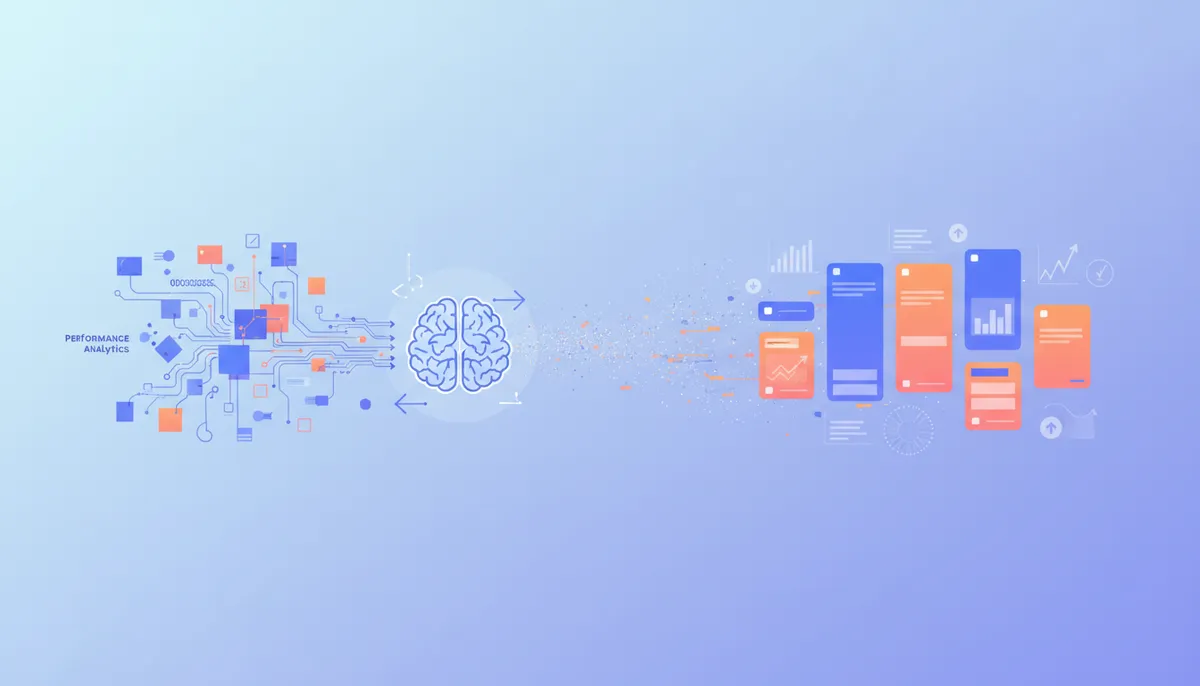
AI content calendars transform planning from intuition-based guesswork into evidence-based strategy by continuously analyzing performance metrics across all published content. These systems track engagement rates, conversion patterns, time-on-page metrics, social sharing behavior, and search ranking improvements to identify which content types, topics, formats, and publication times generate optimal results for your specific audience.
The recommendation engine processes this performance data to predict future content success before publication. When planning upcoming content, AI systems calculate probability scores for different topic options based on historical performance patterns, current trend momentum, and competitive gap analysis. Research shows that defining clear, measurable goals in content calendars can raise success rates by over 70%, and AI systems ensure every calendar entry directly supports these quantified objectives through data-validated recommendations.
This predictive capability prevents common content planning mistakes that waste resources on low-performing topics. If your audience consistently engages more strongly with case study content than abstract thought leadership pieces, the AI calendar automatically prioritizes case studies in future planning cycles. Similarly, if Tuesday morning publications consistently outperform Friday afternoon posts, the system adjusts your schedule accordingly without requiring manual analysis or intervention.
The integration with SEO performance data further enhances recommendation accuracy. SEO Rocket’s system combines content calendar automation with real-time search ranking monitoring, keyword opportunity discovery, and competitive positioning analysis. When the platform identifies emerging keyword opportunities or detects competitors targeting specific topics, it automatically generates calendar entries to capitalize on these insights before windows of opportunity close. This responsive planning ensures your content strategy remains agile and competitive rather than rigidly following predetermined schedules that ignore market dynamics.
Multi-Platform Content Adaptation From Single Campaign Themes
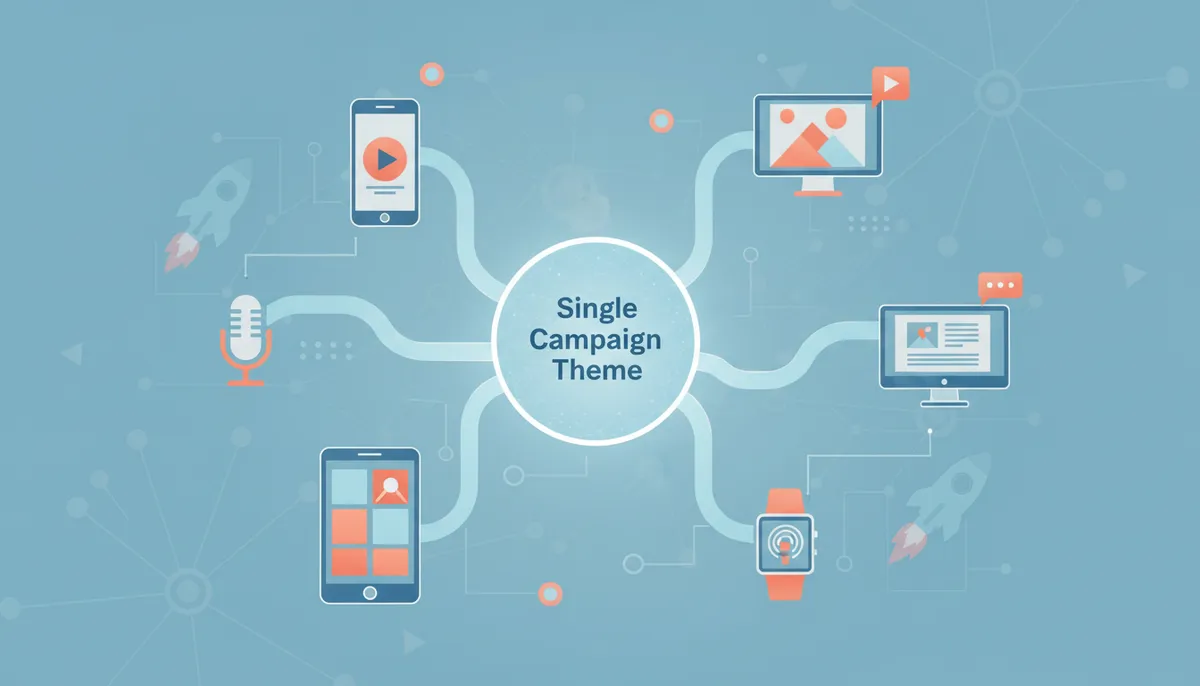
One of the most powerful capabilities AI content calendars provide is the “One Idea, Many Formats” approach that maximizes content value while minimizing creative effort. Instead of treating each platform as a separate planning challenge requiring unique content development, AI systems transform single campaign themes into diverse content types optimized for different channels and audience segments.
This content multiplication strategy begins with core topic identification. Once you approve a campaign theme—for example, a product launch or thought leadership position—the AI calendar automatically generates a complete multi-format content ecosystem. A single product announcement might expand into a detailed blog article, a series of social media posts, an infographic summarizing key benefits, a video demonstration script, a webinar outline, an email sequence, and LinkedIn thought leadership content. Each format targets specific audience segments at different stages of the buyer journey while maintaining consistent messaging and brand voice.
The efficiency gains from this approach are substantial. Traditional content planning requires separate ideation sessions for each platform, often resulting in disconnected messaging and redundant effort. AI calendars eliminate this duplication by automatically adapting core content to platform-specific requirements—adjusting tone, length, visual elements, and call-to-action approaches based on channel best practices. This systematic content expansion typically increases total content output by 300-500% without proportionally increasing creative team workload.
| Content Format | Platform | Optimal Length | Primary Objective |
|---|---|---|---|
| Long-form Article | Website/Blog | 3,000+ words | SEO ranking, thought leadership |
| Social Post | LinkedIn/Twitter | 150-280 characters | Engagement, traffic generation |
| Video Script | YouTube | 8-12 minutes | Education, brand awareness |
| Infographic | Pinterest/Instagram | Visual summary | Shareability, quick comprehension |
| Email Sequence | Email Marketing | 300-500 words | Nurturing, conversion |
For businesses with limited content teams, this multiplication capability proves especially valuable. SEO Rocket exemplifies this approach by generating comprehensive 3,000+ word articles that serve as content hubs, then automatically creating social media snippets, meta descriptions, and internal linking suggestions that extend each article’s reach across multiple channels. This integrated approach ensures consistent brand messaging while maximizing content investment returns through systematic repurposing and adaptation.

Alignment With Business Goals and Revenue Targets
AI content calendars transcend simple publication scheduling by directly connecting content strategy with measurable business objectives. Instead of creating content in isolation from revenue goals, these systems ensure every calendar entry supports specific KPIs—whether product launches, lead generation targets, brand awareness campaigns, or customer retention initiatives.
This strategic alignment begins during calendar setup when you define primary business objectives for the planning period. AI systems then map content recommendations to these goals, automatically prioritizing topics and formats that historically drive desired outcomes. For businesses launching new products, the calendar emphasizes educational content, feature comparisons, and use case demonstrations. For companies focused on lead generation, the system prioritizes content types with proven conversion rates—typically longer-form guides, webinars, and case studies that capture contact information.
The continuous optimization cycle ensures strategy remains responsive to performance data. When the AI calendar detects that specific content types aren’t meeting defined success metrics, it automatically adjusts future recommendations. This adaptive approach prevents the common scenario where teams continue producing low-performing content types simply because they’re already scheduled, wasting resources on activities that don’t contribute to business objectives.
Revenue impact becomes directly measurable through AI calendar analytics. Advanced platforms track not just engagement metrics but also downstream business outcomes—connecting specific content pieces to lead generation, sales pipeline progression, and customer acquisition. This attribution clarity enables marketing teams to demonstrate concrete ROI from content investments, justifying budget allocations and resource decisions with data rather than assumptions. Teams can confidently answer executive questions about content program value by showing exactly which calendar entries generated qualified leads, influenced purchase decisions, or supported customer expansion opportunities.
Real-Time Trend Integration and Competitive Intelligence
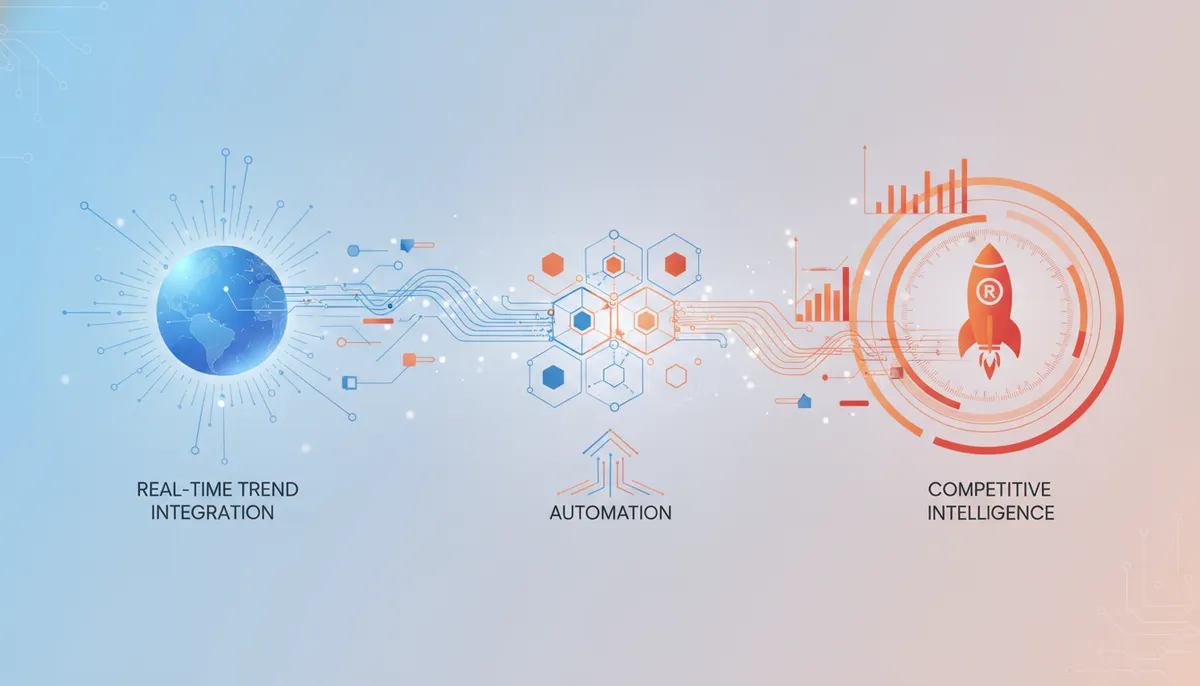
Market dynamics shift continuously, creating content opportunities that disappear quickly if not captured immediately. AI content calendars maintain competitive advantage by monitoring real-time trends, competitor activity, and emerging topics, then automatically adjusting your content schedule to capitalize on these developments before windows close.
Trend monitoring operates across multiple data sources simultaneously. AI systems track social media conversation volume, search query fluctuations, news coverage patterns, and industry publication themes to identify emerging topics gaining momentum. When the platform detects significant trend acceleration within your industry, it generates calendar recommendations to address these topics while they’re still fresh and audiences are actively seeking information. This proactive approach ensures your content remains relevant and timely rather than perpetually discussing yesterday’s topics.
Competitive intelligence adds another strategic dimension to calendar planning. AI calendars continuously analyze competitor content output, identifying topics they’re emphasizing, gaps they’re neglecting, and content formats they’re underutilizing. This competitive gap analysis reveals opportunities to differentiate your content strategy—addressing important topics competitors ignore or approaching common subjects from unique angles that provide superior value. When competitors suddenly shift content focus, AI systems alert you to these strategic changes and recommend responsive calendar adjustments.
The integration of search quality guidelines ensures trend-responsive content maintains high standards that satisfy both human readers and search algorithms. AI calendars balance timeliness with quality, recommending rapid content development for trending topics while ensuring sufficient depth, accuracy, and value to support long-term SEO performance. This dual focus prevents the common mistake of producing shallow trend-chasing content that generates temporary traffic spikes but delivers no lasting value.
For businesses operating in fast-moving industries, real-time responsiveness becomes a critical competitive advantage. Technology companies, for example, must respond quickly to product announcements, security developments, and regulatory changes. AI content calendars enable this agility by automatically reprioritizing scheduled content when urgent topics emerge, ensuring your audience receives timely, relevant information that positions your brand as an authoritative industry voice rather than a reactive follower.

Consistent Brand Voice Maintenance Across All Content
One of the most challenging aspects of scaling content production is maintaining consistent brand voice, messaging, and quality standards as output volume increases. AI content calendars address this challenge by establishing brand voice parameters during initial setup, then enforcing these standards across all generated content recommendations and automated content creation.
The brand voice definition process captures multiple dimensions of your communication style—tone preferences (professional, casual, authoritative, friendly), vocabulary choices, sentence structure patterns, perspective (first-person, third-person), and formatting conventions. Advanced AI systems analyze your existing high-performing content to extract these stylistic patterns, creating a comprehensive brand voice profile that guides all future content generation. This data-driven approach ensures consistency based on what actually resonates with your audience rather than subjective style preferences.
Content generation maintains this consistency through continuous reference to established voice parameters. When AI systems create article outlines, social media posts, or email sequences, they apply your brand voice profile to every sentence, ensuring stylistic coherence across all formats and platforms. This systematic approach eliminates the voice inconsistency that typically occurs when multiple team members contribute content without clear style guidelines or when outsourced writers lack deep familiarity with brand standards.
Quality control mechanisms provide additional consistency safeguards. SEO Rocket’s platform includes real-time SEO scoring and automated fix suggestions that evaluate every article against both technical optimization criteria and brand voice standards before publication. If generated content deviates from established tone parameters or fails to meet quality thresholds, the system flags these issues and provides specific revision recommendations. This automated quality assurance process ensures consistent excellence without requiring manual review of every content piece—a practical impossibility for high-volume publishing schedules.
For agencies managing multiple client brands, voice consistency becomes even more critical and challenging. AI content calendars solve this complexity by maintaining separate voice profiles for each client account, automatically switching context when generating content for different brands. This capability enables agencies to scale operations dramatically without sacrificing the brand-specific customization that differentiates their service quality from commodity content providers.
Integration With SEO Strategy and Keyword Targeting
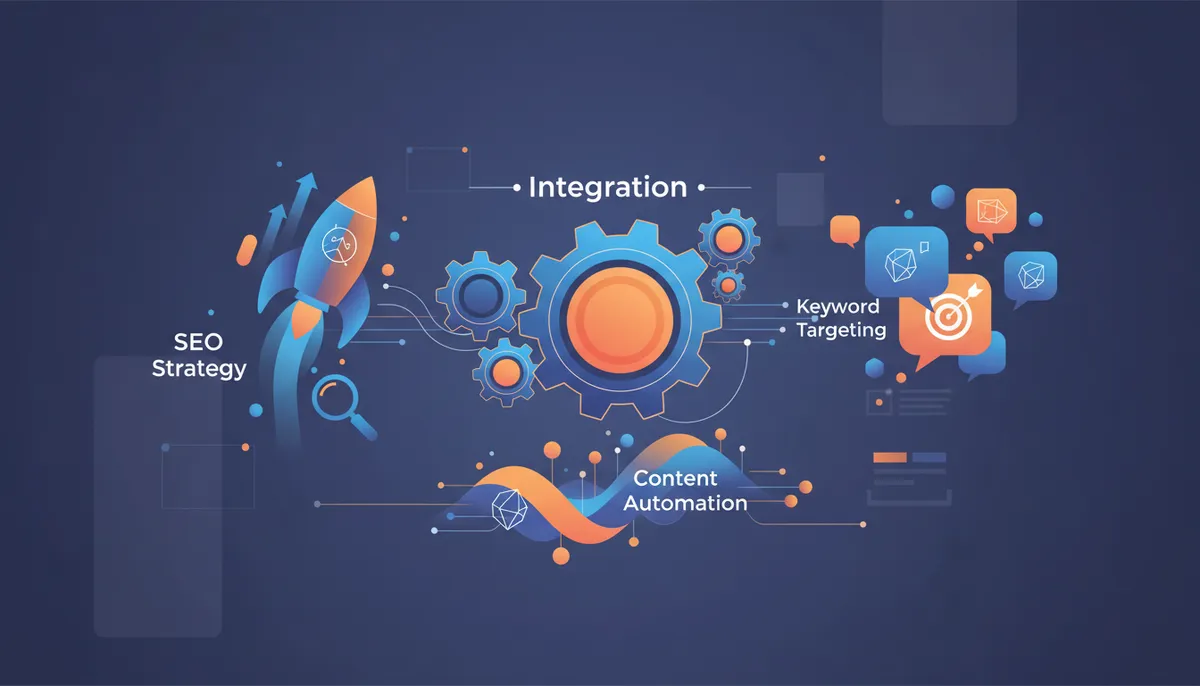
Content calendars deliver maximum business value when tightly integrated with SEO strategy, ensuring every published article targets valuable keywords, addresses search intent, and contributes to overall domain authority growth. AI content calendars automate this integration by combining calendar planning with continuous keyword research, competitive analysis, and search ranking monitoring.
The keyword integration process begins with automated opportunity discovery. AI systems continuously analyze search volume data, keyword difficulty scores, competitive rankings, and your existing content coverage to identify high-value keyword targets your competitors are neglecting or addressing inadequately. Rather than requiring manual keyword research using separate tools, the AI calendar automatically populates with content recommendations targeting these opportunities, complete with primary keywords, semantic variations, and search intent classifications.
Content optimization occurs simultaneously with creation, ensuring published articles meet technical SEO requirements from the outset. AI platforms analyze optimal keyword density (typically around 1.5% for primary keywords), heading structure, meta description effectiveness, internal linking patterns, and content comprehensiveness. These systems generate content that naturally incorporates target keywords without awkward stuffing that damages readability or triggers search engine penalties. The result is content that satisfies both algorithmic ranking factors and human reader expectations—the dual requirement for sustainable SEO success.
Long-term SEO strategy benefits from AI calendar planning through systematic topic cluster development. Instead of random article topics, AI systems organize content calendars around pillar pages and supporting cluster content that establishes topical authority. This structured approach signals search engines that your site provides comprehensive coverage of important subjects, improving rankings not just for individual articles but across entire topic areas. The compounding effect of consistent, strategically planned publishing delivers exponential traffic growth over time—a phenomenon that manual, sporadic content production cannot replicate.
SEO Rocket exemplifies this integrated approach by combining content calendar automation with daily publishing of 3,000+ word SEO-optimized articles. The platform’s automated keyword discovery, competitor analysis, and market opportunity mapping ensure every calendar entry targets valuable search positions. With daily publishing creating consistent ranking momentum, businesses experience compounding SEO growth where each new article strengthens the performance of previously published content through strategic internal linking and topical authority expansion. Get started with automated SEO content to experience this compounding advantage.
Cost Efficiency Compared to Traditional Content Planning Methods
The financial advantages of AI content calendars extend far beyond simple time savings, fundamentally restructuring content production economics in ways that benefit businesses of all sizes. Traditional content planning and creation typically requires significant investments in multiple specialized tools, freelance writers, editors, SEO specialists, and project managers—costs that quickly exceed $3,000-$5,000 monthly for even modest content programs.
AI content calendars consolidate these fragmented expenses into unified platforms that deliver end-to-end automation at a fraction of traditional costs. SEO Rocket, for example, provides comprehensive content planning, creation, optimization, and publishing for $99 monthly—producing 30 fully optimized 3,000-word articles at approximately $3 per article. This pricing represents a 90%+ cost reduction compared to traditional content production methods that typically charge $200-$500 per comparable article when accounting for all associated overhead.
The cost structure advantages multiply for agencies and enterprises producing content at scale. Traditional approaches require proportional cost increases as volume grows—more writers, more editors, more project management overhead. AI content calendars scale with minimal cost increase, enabling agencies to serve more clients without proportionally expanding headcount. SEO Rocket’s agency plan delivers 300 monthly articles across 10 client workspaces for $799—economics that would be impossible with human-dependent production models requiring team expansion for each new client.
| Production Method | Monthly Cost | Articles Produced | Cost Per Article |
|---|---|---|---|
| Traditional Agency | $3,000-$5,000 | 10-15 articles | $250-$350 |
| Freelance Writers | $2,000-$4,000 | 8-20 articles | $150-$300 |
| In-House Team | $8,000-$12,000 | 20-30 articles | $300-$500 |
| AI Content Calendar (SEO Rocket) | $99 | 30 articles | ~$3 |
Beyond direct production costs, AI calendars eliminate numerous hidden expenses that traditional methods incur. These include tool subscription fees for separate keyword research platforms, project management software, content optimization tools, publishing systems, and analytics dashboards. AI content platforms integrate all these capabilities into single solutions, removing both financial costs and operational complexity associated with managing multiple disconnected tools. Teams spend only 28% of their time on actual marketing work under traditional approaches, with the remainder consumed by tool management and administrative tasks—inefficiency that AI integration directly addresses.
The lifetime value proposition of certain AI content platforms provides even more compelling economics. SEO Rocket offers a $1,499 lifetime plan that eliminates recurring subscription costs entirely, delivering permanent access to automated content planning and production. For businesses committed to long-term content marketing, this one-time investment pays for itself within 15 months compared to traditional agency costs, then continues delivering value indefinitely without additional expenditure. This pricing innovation fundamentally changes content marketing economics, making sophisticated SEO strategies accessible to businesses that previously couldn’t justify traditional production costs.
Optimizing Your AI Content Calendar for Maximum Results
Implementing an AI content calendar successfully requires more than simply activating automation—strategic configuration and ongoing optimization ensure the system delivers maximum business value. The setup process typically requires under 10 minutes for platforms like SEO Rocket, but thoughtful initial parameter setting establishes the foundation for long-term success.
Begin with clear goal definition that translates business objectives into measurable content metrics. Rather than vague aims like “increase brand awareness,” specify quantifiable targets: “generate 500 qualified leads monthly” or “achieve first-page rankings for 50 target keywords.” AI calendars use these specific goals to prioritize content recommendations, ensuring every calendar entry contributes to defined success criteria. Research confirms that this goal clarity raises content program success rates by over 70%, making initial goal setting perhaps the most impactful configuration decision.
Audience segmentation configuration enables personalized content strategies that address different customer groups with tailored messaging. Define distinct audience segments based on characteristics like industry, company size, job role, purchase stage, or technical expertise level. AI calendars use these segments to generate diverse content that speaks directly to each group’s specific needs, challenges, and information preferences. This segmentation typically doubles content effectiveness compared to generic one-size-fits-all approaches that fail to resonate deeply with any particular audience.
Calendar review and approval workflows maintain strategic control while preserving automation efficiency. Most AI platforms generate content recommendations automatically but allow human oversight before publication. Establish efficient review processes where team members quickly scan upcoming calendar entries, approving strategic fit while trusting the AI system to handle tactical execution details. This balanced approach combines AI operational efficiency with human strategic judgment, preventing both micromanagement bottlenecks and complete automation that might occasionally miss strategic nuances.
Performance monitoring and iterative refinement ensure continuous improvement over time. Regularly review analytics dashboards that track key metrics: traffic growth, engagement rates, conversion performance, search ranking improvements, and ROI calculations. Use these insights to refine calendar parameters—adjusting topic prioritization, content format distribution, publication frequency, or audience targeting based on demonstrated results. AI systems learn from these refinements, incorporating feedback into future recommendations to continuously improve calendar effectiveness.
Integration with broader marketing systems maximizes calendar value by connecting content strategy with other business activities. Link your AI content calendar with CRM systems to align content with sales pipeline stages, email marketing platforms to coordinate nurturing sequences, social media schedulers to amplify distribution, and analytics tools to track comprehensive customer journeys. This integration creates a unified marketing ecosystem where content serves as the foundation for multi-channel customer engagement rather than existing as an isolated activity.
For businesses ready to eliminate manual content planning while dramatically scaling output, SEO Rocket provides the comprehensive automation platform that delivers these benefits. The system handles everything from keyword discovery through daily publishing, maintaining consistent quality while reducing per-article costs to approximately $3. With setup requiring under 10 minutes and the platform managing all ongoing optimization automatically, businesses experience immediate productivity gains without operational complexity. Visit SEO Rocket’s pricing page to explore plans starting at $99 monthly or consider the $1,499 lifetime option that eliminates recurring subscription costs permanently.
Conclusion: Transforming Content Strategy With AI Calendar Automation
AI content calendars represent a fundamental evolution in how businesses approach content marketing—shifting from labor-intensive manual planning toward intelligent automation that delivers superior results with dramatically reduced effort. The benefits extend across every aspect of content operations: time savings that compress quarterly planning from weeks to days, data-driven recommendations that eliminate guesswork, multi-platform content adaptation that maximizes creative investment, strategic alignment that ensures every article supports business goals, real-time trend responsiveness that maintains competitive relevance, consistent brand voice across scaled production, integrated SEO strategy that drives compounding traffic growth, and cost efficiency that makes sophisticated content programs accessible to businesses of all sizes.
The widespread adoption of AI content planning tools—with nearly 60% of marketers now using these systems—reflects their transformational impact on marketing effectiveness and operational efficiency. Businesses implementing AI-driven content calendars consistently report substantial improvements: 30% increases in engagement, 20% rises in lead generation, 70%+ improvements in goal achievement, and 90%+ reductions in per-article costs. These measurable results demonstrate that AI content calendars deliver not just incremental improvements but order-of-magnitude performance leaps that fundamentally change content marketing economics and competitive dynamics.
For marketing teams currently struggling with inconsistent publishing, limited resources, disconnected tools, or inability to demonstrate clear content ROI, AI content calendars provide the systematic solution that addresses all these challenges simultaneously. Platforms like SEO Rocket exemplify the fully automated approach that eliminates virtually all manual content work—from keyword research through daily publishing—while maintaining the quality standards and strategic alignment that drive business results. The combination of comprehensive automation, scalability supporting individual businesses through multi-client agencies, integration with major publishing platforms, and pricing starting at just $99 monthly makes this technology accessible regardless of company size or current content maturity level.
The competitive advantage of early AI content calendar adoption compounds over time as consistent daily publishing builds domain authority, expands keyword coverage, and establishes thought leadership positioning that later entrants struggle to match. Businesses delaying implementation face not just ongoing operational inefficiency but widening performance gaps as competitors leverage AI automation to outpace manual content production capabilities. The question for 2026 and beyond isn’t whether to implement AI content calendars but how quickly you can deploy these systems to capture their compounding benefits before market opportunities shift to early adopters.
Transform your content strategy with the automation platform built specifically for scaling SEO performance and AI search visibility. Start your SEO Rocket account today and experience how AI-powered content calendars eliminate planning bottlenecks, reduce costs by 90%, and deliver the consistent publishing cadence that drives exponential traffic growth. With setup taking under 10 minutes and the system handling all ongoing operations automatically, you’ll begin seeing results within days while redirecting your team’s time toward strategic initiatives that only humans can execute effectively.
FAQs
Q: What is an AI content calendar and how does it work?
A: An AI content calendar is an intelligent platform that automates content planning, scheduling, and optimization using machine learning algorithms. It analyzes audience behavior, competitor activity, search trends, and historical performance data to automatically generate content recommendations, suggest optimal posting times, and prioritize topics that align with your business goals. The system continuously learns from results to improve future recommendations.
Q: How much time can AI content calendars save compared to manual planning?
A: AI content calendars reduce quarterly content planning from 2-3 weeks to approximately one day—a time savings of over 90%. This efficiency comes from automated keyword research, topic discovery, competitive analysis, and schedule generation that would otherwise require dozens of hours of manual work. Teams redirect this saved time toward creative strategy and audience engagement rather than administrative tasks.
Q: What are the main cost benefits of using AI content calendar platforms?
A: AI content calendars reduce per-article costs from $200-$500 under traditional methods to approximately $3-$10 per article—a cost reduction exceeding 90%. Platforms like SEO Rocket start at $99 monthly for 30 articles, compared to traditional agency costs of $3,000-$5,000 monthly for similar output. These platforms also eliminate separate tool subscription fees by integrating keyword research, optimization, publishing, and analytics into unified solutions.
Q: How do AI content calendars maintain consistent brand voice across high-volume publishing?
A: AI content calendars establish comprehensive brand voice profiles during initial setup by analyzing your existing high-performing content to extract tone preferences, vocabulary patterns, sentence structures, and formatting conventions. The system then applies these parameters to all generated content recommendations and automated creation, ensuring stylistic consistency across all formats and platforms. Real-time quality scoring flags any deviations from established voice standards before publication.
Q: Can AI content calendars integrate with existing marketing tools and workflows?
A: Yes, advanced AI content calendar platforms integrate directly with major publishing systems including WordPress, Webflow, Shopify, and Wix for automated publishing. They also connect with CRM systems, email marketing platforms, social media schedulers, and analytics tools to create unified marketing ecosystems. This integration enables content strategies that coordinate with sales pipeline stages, nurturing sequences, and multi-channel distribution campaigns rather than operating in isolation.