Key Takeaways
-
SEO Rocket automates entire SEO content lifecycle, generating fully optimized 3,000-word articles daily without manual intervention.
-
Copy.ai focuses on short-form marketing content like ad copy and product descriptions, while SEO Rocket delivers long-form SEO-optimized articles.
-
SEO Rocket provides end-to-end automation with direct CMS publishing, keyword research, and optimization for both traditional and AI search engines.
-
Copy.ai requires manual editing and lacks native publishing, making it less efficient for scaling content production across multiple clients.
-
SEO Rocket offers lifetime plans and agency-specific features, reducing long-term costs and simplifying multi-client content management.
Choosing the right AI content platform can transform your digital marketing strategy, but the wrong choice wastes time and budget. SEO Rocket and Copy.ai represent two fundamentally different approaches to AI-powered content creation. While Copy.ai has established itself as a versatile marketing platform for ad copy and short-form content, SEO Rocket delivers something entirely different: fully automated, long-form SEO content that publishes daily without manual intervention.
This comparison reveals which platform aligns with your specific needs. If you’re managing multiple clients, need consistent organic traffic growth, or want to eliminate manual SEO work entirely, understanding these seven key differences will save you from costly platform mismatches. Small SEO agencies, in-house marketing teams, and content managers face different challenges that demand different solutions.
The stakes are high. According to Google’s Search Quality Rater Guidelines, consistent, authoritative content signals expertise and trustworthiness. Copy.ai focuses on rapid marketing copy generation, while SEO Rocket automates the entire SEO content lifecycle. Let’s examine exactly where each platform excels and where they fall short.
Understanding Platform Purposes and Core Strengths
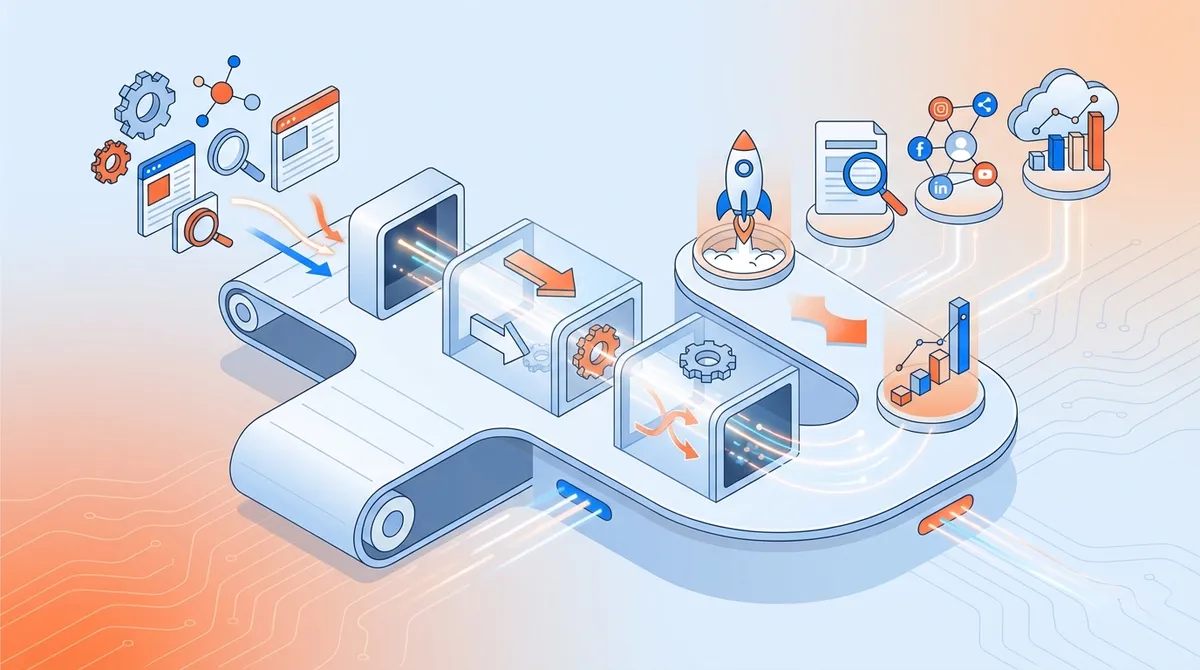
SEO Rocket and Copy.ai serve fundamentally different content marketing needs. Copy.ai positions itself as a Go-To-Market platform designed for marketing teams who need quick ad copy, landing page headlines, and product descriptions. The platform supports multiple AI models including GPT-4, Claude 3.5, and Gemini, allowing users to switch between engines for specific tasks.
SEO Rocket takes a different approach entirely. Rather than functioning as a copywriting assistant, it operates as a complete SEO automation system. The platform handles keyword research, competitor analysis, long-form article generation, optimization, image creation, and direct publishing to your website—all without manual prompts or editing.
Copy.ai’s Marketing-Focused Approach
Copy.ai excels at short-form marketing content. Digital marketing consultants and advertising teams use it to generate multiple ad variations quickly, test different messaging angles, and create compelling product descriptions. The platform includes tone control, export functionality, and templates specifically designed for Meta and Google advertising platforms.
The workflow automation features distinguish Copy.ai from basic AI writing tools. Users can create multi-step processes like researching leads and writing personalized outreach emails. The platform offers over 15 pre-built workflows for common marketing tasks, plus a builder tool for custom sequences.
SEO Rocket’s Automation-First Philosophy
SEO Rocket eliminates manual SEO work through end-to-end automation. After a 10-minute setup where you connect your website and review keyword opportunities, the system operates independently. It generates one 3,000-word article daily for Business plan users or ten articles daily for Agency plan subscribers.
The platform’s AI optimization extends beyond Google to modern AI search engines including ChatGPT, Perplexity, Claude, Gemini, Copilot, and Grok. This GEO (Generative Engine Optimization) focus means your content appears when AI models answer user queries, not just in traditional search results.
Small business owners with limited technical resources benefit particularly from this automation. There’s no learning curve for prompt engineering, no manual keyword research, and no content calendar management. SEO Rocket discovers opportunities, generates optimized content, and publishes automatically.

Content Length and Depth Comparison
Content length directly impacts search rankings and user engagement. Copy.ai generates short-form content ranging from 50 to 500 words—ideal for ad copy, social media posts, and email subject lines. The platform wasn’t designed for comprehensive blog posts or pillar content.
SEO Rocket produces exclusively long-form content, with articles averaging 3,000 words. This length allows for comprehensive topic coverage, natural keyword integration, and the semantic depth search engines reward. E-commerce SEO specialists need this depth for category pages and buying guides that actually convert.
Why Content Length Matters for SEO
Longer content correlates with higher search rankings because it demonstrates topic authority and provides value that satisfies user intent. In-house marketing teams at mid-sized companies recognize that 500-word blog posts rarely rank competitively for valuable keywords.
Copy.ai users must manually expand AI-generated snippets into full articles, adding research, examples, and structure. This requires significant editing time and SEO expertise. SEO Rocket generates complete, publication-ready articles with proper heading structure, internal links, external citations, and optimized metadata from the start.
The difference becomes clear when scaling content production. An agency managing ten clients cannot efficiently expand hundreds of short-form outputs into ranking articles. SEO Rocket’s automated long-form generation delivers ready-to-publish content at volume.
Automation Capabilities and Workflow Differences
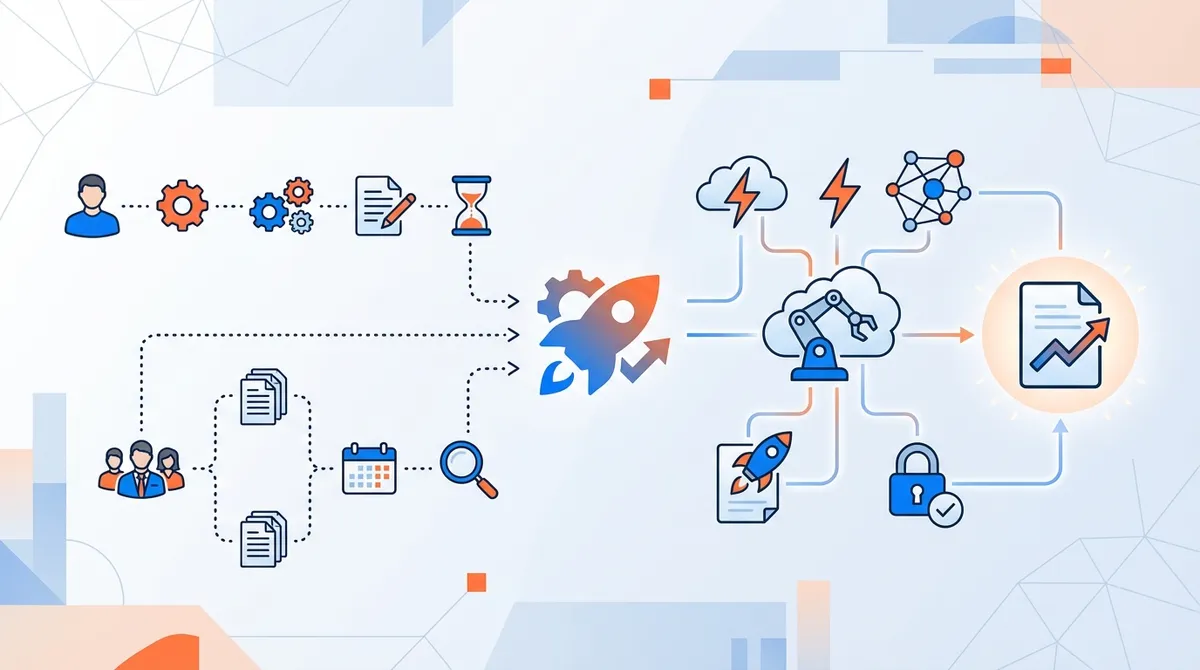
True automation means zero manual intervention. Copy.ai requires users to select templates, input prompts, choose AI models, generate content, review outputs, make edits, and handle publishing separately. Each article demands active management.
SEO Rocket operates differently. After initial setup, the platform autonomously identifies keyword opportunities from your niche, analyzes competitor content, determines optimal article structure, generates complete long-form content, creates relevant images, adds internal and external links, optimizes metadata, scores SEO performance, and publishes directly to your WordPress, Webflow, Shopify, or Wix site.
Daily Publishing Without Manual Work
Content managers responsible for large websites understand that consistency drives compounding SEO growth. Publishing one optimized article daily creates 365 indexed pages annually, each targeting specific keywords and user intents.
Copy.ai cannot automate this process. Users must manually initiate each content generation session, provide context and instructions, select appropriate workflows, and export results. The platform lacks native publishing capabilities, requiring copy-pasting into your CMS.
SEO Rocket’s visual content calendar automatically fills with opportunities. Users simply approve topics during initial setup, then the system handles everything else. For agencies managing multiple client workspaces, this automation eliminates hundreds of hours of manual content production monthly.
Workflow Complexity and Learning Curves
Copy.ai’s workflow builder provides flexibility but demands time investment to master. Digital marketing consultants must learn how to structure multi-step processes, connect different AI models, and troubleshoot when outputs don’t meet expectations.
SEO Rocket requires under 10 minutes to set up and zero ongoing learning. Connect your site, review suggested keywords, approve your content calendar, and automation begins. This simplicity benefits small business owners who lack dedicated SEO resources but need consistent organic traffic growth.

SEO Optimization and AI Search Visibility
SEO optimization extends far beyond keyword placement. Copy.ai generates marketing copy without built-in SEO scoring, metadata optimization, or search engine structure. Users must manually add title tags, meta descriptions, header hierarchies, and schema markup.
SEO Rocket includes real-time SEO scoring that evaluates keyword density, readability, heading structure, meta optimization, image alt text, internal linking, and external citations. The platform provides auto-fix suggestions and implements corrections automatically.
Optimizing for AI Search Engines
Traditional SEO focuses exclusively on Google rankings. Modern content must also appear in AI-generated answers from ChatGPT, Perplexity, Claude, Gemini, Copilot, and Grok. This shift toward Generative Engine Optimization (GEO) changes how content must be structured.
Copy.ai lacks GEO-specific optimization. The platform generates content optimized for human readers but doesn’t structure information for AI model retrieval and citation. When users ask ChatGPT or Perplexity questions related to your business, your Copy.ai content likely won’t surface as a reference source.
SEO Rocket structures every article for AI search visibility. The platform formats content so AI models can parse, understand, and cite your articles as authoritative sources. This dual optimization for traditional search and AI answers maximizes visibility across all discovery channels.
E-commerce SEO specialists particularly benefit from this approach. Product category pages and buying guides optimized for both Google and AI search capture traffic from users who increasingly bypass traditional search engines entirely.

Pricing Models and Cost Efficiency Analysis
Cost per article reveals true platform value. Copy.ai pricing starts at $36 monthly, which sounds affordable until you calculate per-article costs. The platform doesn’t include publishing automation, SEO optimization, or image generation, so you’re paying only for raw text generation that requires significant post-processing.
SEO Rocket delivers complete articles at approximately $3 each. The Business plan at $99 monthly includes 30 fully optimized, published articles. The Agency plan at $799 monthly provides 300 articles across 10 client workspaces, reducing per-article costs further at scale.
Comparing Total Cost of Ownership
Small SEO agencies must consider all expenses: AI writing tool subscriptions, keyword research tools, SEO optimization platforms, image creation services, and labor hours for editing and publishing. Copy.ai addresses only the writing component, leaving agencies to purchase and manage separate tools for complete SEO workflows.
SEO Rocket consolidates everything into one platform with transparent pricing. You don’t need separate subscriptions for keyword research, content optimization, or publishing automation. For teams managing limited budgets, this consolidation eliminates tool sprawl and reduces monthly SaaS expenses significantly.
Lifetime Plans and Long-Term Value
Copy.ai operates on recurring subscription models without lifetime access options. Organizations committed to long-term content marketing face indefinite monthly payments that compound over years.
SEO Rocket offers a $1,499 lifetime plan providing permanent access without recurring fees. For businesses planning multi-year content strategies, this one-time investment delivers substantially better ROI than platforms requiring perpetual subscriptions. Check the full pricing breakdown and plan features to calculate your specific savings.

Integration Capabilities and Publishing Options
Publishing friction kills content consistency. Copy.ai lacks native CMS integrations, requiring users to copy generated text and paste it manually into WordPress, Webflow, Shopify, or other platforms. This adds steps, increases error potential, and prevents true automation.
SEO Rocket integrates directly with major content management systems. After generating optimized articles, the platform publishes them automatically to your website without manual intervention. This seamless publishing enables the daily content cadence that drives compounding organic growth.
Multi-Client Management for Agencies
Copy.ai provides workspace features but wasn’t designed specifically for agency workflows. Managing ten clients requires switching between accounts, tracking separate billing, and coordinating content calendars manually.
SEO Rocket’s Agency plan includes 10 dedicated client workspaces with separate content calendars, keyword tracking, and publishing schedules. Digital marketing consultants can manage all clients from one dashboard, streamlining operations and reducing context-switching overhead.
This agency-focused design matters when scaling. As you add clients, Copy.ai requires proportionally more manual work. SEO Rocket’s automation scales efficiently—managing ten clients demands the same effort as managing one.

Use Case Alignment: When to Choose Each Platform
Platform selection depends entirely on your specific content needs. Copy.ai excels for teams prioritizing rapid marketing copy generation, ad creative testing, and workflow automation for outreach sequences. If you need 50 ad variations for A/B testing or personalized email templates, Copy.ai delivers efficiently.
SEO Rocket serves different objectives. Choose this platform when your goal is consistent organic traffic growth through automated, long-form SEO content. In-house marketing teams at mid-sized companies needing to scale content production without expanding headcount benefit most from this approach.
Copy.ai Ideal Scenarios
- Generating multiple ad copy variations for Meta and Google campaigns
- Creating product descriptions for e-commerce catalogs
- Developing email subject lines and short-form social media posts
- Testing different messaging angles quickly for landing pages
- Automating personalized outreach sequences for sales teams
SEO Rocket Ideal Scenarios
- Building organic traffic through daily long-form content publishing
- Managing SEO content for multiple clients with limited team resources
- Eliminating manual keyword research and content planning
- Optimizing content for both traditional search and AI search engines
- Reducing content production costs from agencies or freelancers
- Achieving consistent publishing schedules without hiring writers
Content managers responsible for large blogs or informational websites need SEO Rocket’s automation. The platform’s ability to maintain consistent publishing cadence without manual work solves the primary challenge these professionals face: producing enough quality content to compete in search rankings.
Making Your Platform Decision
Selecting between SEO Rocket and Copy.ai requires honest assessment of your primary content challenges. Do you need help generating ad copy variations quickly, or do you need a system that eliminates all manual SEO work while building long-term organic traffic?
Copy.ai fits teams with dedicated SEO expertise who want AI assistance with specific marketing tasks. The platform provides flexible tools but requires knowledge to implement effective SEO strategies independently. You’ll still need separate solutions for keyword research, optimization, and publishing automation.
SEO Rocket eliminates these gaps through complete automation. The platform handles everything from opportunity identification to publication, making it ideal for businesses and agencies that want SEO results without ongoing manual effort. Small business owners who lack in-house SEO specialists particularly benefit from this turnkey approach.
Questions to Guide Your Choice
Consider these questions when deciding:
- Do you need short-form marketing copy or long-form SEO content?
- Can your team dedicate time to daily content creation and publishing?
- Are you optimizing only for Google or also for AI search engines?
- Do you manage multiple clients requiring separate content calendars?
- What’s your total budget including all SEO tools, not just writing assistance?
- Is your goal immediate ad copy needs or long-term organic traffic growth?
For organizations seeking true automation that compounds value over time, SEO Rocket delivers measurably better ROI. The platform’s daily publishing creates 365 indexed articles annually, each targeting specific keywords and contributing to domain authority. Copy.ai requires you to manually create that same volume, demanding hundreds of hours you could allocate elsewhere.
Getting Started With the Right Platform
Both platforms offer straightforward onboarding, but implementation complexity differs dramatically. Copy.ai requires learning prompt engineering, understanding which AI models work best for specific tasks, and developing workflow sequences that produce consistent quality. Plan for a learning curve as your team masters the platform.
SEO Rocket’s implementation takes under 10 minutes. Connect your website through direct CMS integration, review the automatically populated keyword opportunities in your niche, approve topics for your content calendar, and automation begins. No prompt engineering, no workflow building, no ongoing management required. Visit the features page to see the complete automation workflow.
For teams evaluating long-term commitments, consider testing periods. Copy.ai offers a 7-day free trial, allowing you to assess whether the platform’s marketing-focused tools align with your needs. SEO Rocket’s plans start at $99 monthly with the option to upgrade to a $1,499 lifetime plan, eliminating subscription anxiety entirely.
The decision ultimately centers on automation depth. If you want an AI assistant that helps generate marketing copy faster, Copy.ai provides valuable tools. If you want to completely eliminate manual SEO work while building consistent organic traffic through daily long-form content, SEO Rocket delivers the only truly automated solution available in 2026. Stay updated on platform improvements through the latest feature releases and updates.
Your content marketing strategy deserves a platform that matches your specific goals, resources, and growth timeline. Evaluate both options against your actual needs rather than generic feature lists, and choose the solution that removes your most critical bottleneck. For comprehensive SEO automation that replaces multiple tools while reducing costs and manual work, start your SEO Rocket automation today.
FAQs
Q: What’s the main difference between SEO Rocket and Copy.ai?
A: SEO Rocket automates the entire SEO content lifecycle from keyword research through publishing, generating 3,000-word articles daily without manual work. Copy.ai focuses on short-form marketing copy like ad text and product descriptions, requiring manual prompts, editing, and separate publishing. SEO Rocket is built for long-term organic traffic growth, while Copy.ai serves immediate marketing copy needs.
Q: Can Copy.ai optimize content for AI search engines like ChatGPT and Perplexity?
A: Copy.ai does not include specific optimization for AI search engines or Generative Engine Optimization (GEO). SEO Rocket structures every article for both traditional Google search and AI model retrieval, ensuring your content appears when users ask questions through ChatGPT, Perplexity, Claude, Gemini, Copilot, and Grok. This dual optimization maximizes visibility across all discovery channels.
Q: Which platform offers better value for agencies managing multiple clients?
A: SEO Rocket’s Agency plan at $799 monthly includes 10 dedicated client workspaces with 300 fully optimized articles, reducing per-article costs to approximately $2.66. Copy.ai requires separate management for each client and doesn’t include publishing automation, keyword research, or SEO optimization, necessitating additional tool subscriptions. For agencies prioritizing scalability and automation, SEO Rocket delivers substantially better ROI.
Q: How much time does each platform require for daily content management?
A: Copy.ai requires ongoing manual input including selecting templates, writing prompts, choosing AI models, reviewing outputs, editing content, and handling publishing separately. SEO Rocket requires under 10 minutes for initial setup, then operates completely autonomously with zero daily management. The platform automatically generates, optimizes, and publishes content without manual intervention, making it ideal for teams with limited resources.
Q: Does Copy.ai publish content directly to WordPress or other CMS platforms?
A: Copy.ai lacks native CMS integrations, requiring users to manually copy generated text and paste it into WordPress, Webflow, Shopify, or other platforms. SEO Rocket integrates directly with major content management systems and publishes optimized articles automatically to your website. This seamless publishing enables consistent daily content cadence without manual work or publishing friction.