Key Takeaways
-
Optimize for Answer Engine Optimization (AEO) by structuring content with clear, direct answers that AI models can easily extract and cite.
-
Implement comprehensive schema markup across all pages to help AI systems quickly understand your content’s context and relationships.
-
Build strong brand authority through consistent citations, authoritative mentions, and maintaining detailed entity information across platforms.
-
Automate keyword research using AI tools that analyze massive datasets and uncover high-value, intent-based keyword opportunities.
-
Create content structured around natural-language questions that match how users actually search and interact with AI assistants.
-
Monitor emerging AI-specific visibility metrics like AI Presence Rate and Citation Authority to track performance beyond traditional SEO measurements.
Search is changing faster than ever. Traditional SEO—manually researching keywords, writing content, and hoping Google notices—no longer keeps pace with modern search behavior. In 2026, artificial intelligence has transformed how businesses rank, how users search, and how content gets discovered across Google, ChatGPT, Perplexity, Gemini, and other AI-powered platforms.
AI-powered SEO combines machine learning, natural language processing, and automation to handle tasks that once took teams weeks to complete. It analyzes massive datasets efficiently, predicts search trends, maps user intent, and optimizes content for both traditional search engines and AI answer engines. This shift isn’t just about working faster—it’s about working smarter in a landscape where AI-generated answers are replacing traditional blue links.
This guide breaks down 14 actionable AI-powered SEO strategies that deliver real results. Whether you run a small agency, manage in-house marketing, or consult for multiple clients, these strategies will help you stay competitive and visible in 2026’s AI-driven search environment.

1. Optimize for Answer Engine Optimization (AEO), Not Just Google
Traditional SEO focuses on ranking in Google’s top 10 results. But in 2026, fewer than 10% of sources cited in ChatGPT, Gemini, and Copilot also rank in Google’s top 10 for the same query. This means traditional SEO alone won’t guarantee visibility in AI-generated answers.
Answer Engine Optimization (AEO) focuses on getting your content cited and surfaced within AI-generated responses. AI systems like ChatGPT and Perplexity synthesize information from multiple sources and provide a single comprehensive answer instead of a list of links. To succeed with AEO, your content must be structured so AI models can easily extract, understand, and cite your information.
Start by formatting content with clear, direct answers to specific questions. Use descriptive headings, bullet points, and numbered lists. Add schema markup to help AI systems parse your data. Create content that answers complete questions rather than just targeting keywords. SEO Rocket automatically structures articles for both Google and AI search engines, ensuring your content appears in AI answers and traditional search results.
2. Implement Structured Data and Schema Markup Everywhere
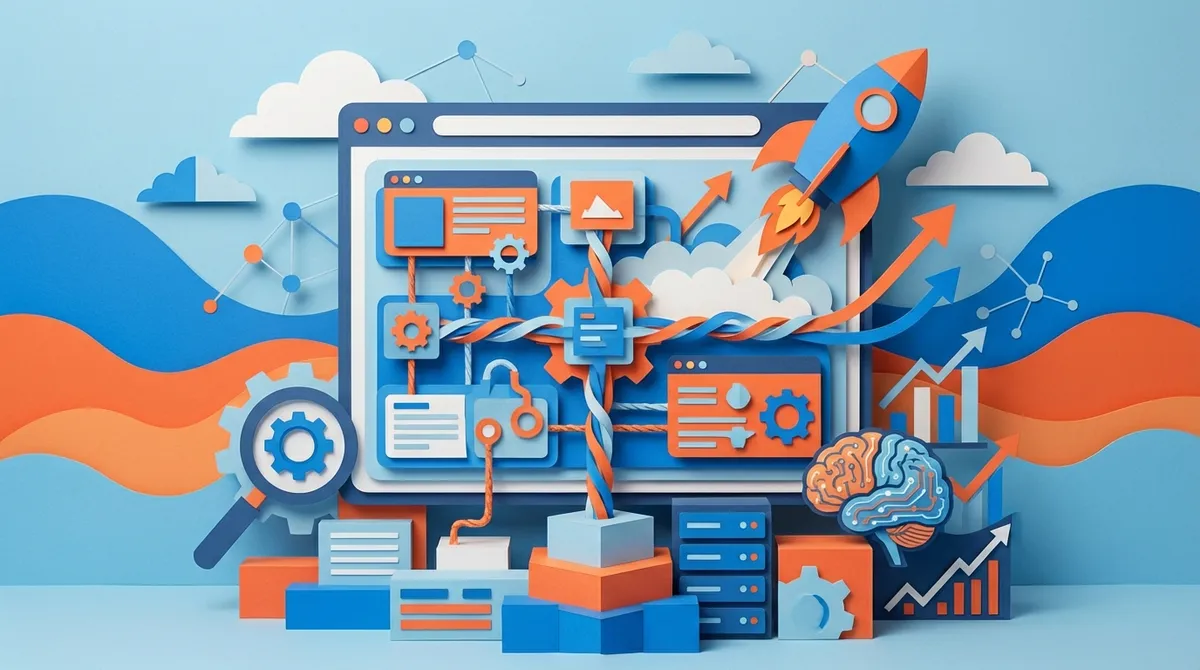
Structured data helps search engines and AI systems understand your content’s context, meaning, and relationships. Schema markup translates your content into machine-readable language that AI agents can process in real-time conversations.
In 2026, technical fundamentals like schema markup are critical for AI visibility. AI models rely on structured data to quickly identify key information—product details, business hours, reviews, pricing, FAQs, and more. Without proper markup, your content becomes harder for AI systems to parse and cite.
Implement schema types relevant to your business:
- Article schema for blog posts and news content
- FAQ schema for question-and-answer sections
- Product schema for e-commerce pages
- Local Business schema for location-based services
- How-To schema for instructional content
- Review schema for customer feedback
Use Google’s Rich Results Test and Schema Markup Validator to verify implementation. Automation tools can validate schema at scale, ensuring every page meets technical requirements for both search crawlers and AI agents.

3. Build Brand Authority and Entity Clarity
Brand reputation and entity clarity are becoming key signals for both search engines and generative models, often outweighing traditional keyword metrics. AI systems prioritize trusted, authoritative sources when generating answers.
Entity optimization means establishing your brand as a recognized, trustworthy entity in your industry. This involves consistent NAP (Name, Address, Phone) information across all platforms, authoritative citations from reputable sources, and a strong knowledge graph presence.
Strengthen your entity signals through these actions:
- Create and optimize your Google Business Profile
- Build a comprehensive Wikipedia or Wikidata presence if applicable
- Earn mentions and citations from authoritative industry publications
- Maintain consistent brand information across directories and review sites
- Generate positive customer reviews on multiple platforms
- Publish expert content that demonstrates industry knowledge
AI models use external validation—citations, mentions, reviews, and authoritative links—to determine which sources to trust and cite. Platforms like SEO Rocket automatically include brand mentions and build authority signals within generated content, helping establish your business as a trusted resource.

4. Automate Keyword Research with AI Analysis
Manual keyword research is time-consuming and often misses valuable opportunities. AI-powered keyword research analyzes much larger datasets efficiently, uncovering high-value keywords and trends that would be impractical to identify manually.
AI tools process millions of search queries, identify patterns, predict emerging trends, and cluster related topics automatically. They map search intent more accurately than traditional methods by understanding context and user behavior across multiple platforms.
Modern AI keyword research delivers:
- Intent-based keyword grouping that matches user needs
- Competitive gap analysis showing opportunities competitors miss
- Search volume predictions for emerging topics
- Question-based queries that AI engines prioritize
- Long-tail variations that convert better
- Semantic keyword clusters for comprehensive topic coverage
Instead of spending hours researching keywords manually, AI systems identify opportunities in minutes. SEO Rocket’s automated keyword discovery continuously finds new ranking opportunities based on your niche, automatically adding them to your content calendar without manual input.

5. Create Content Designed for Natural-Language Questions
Users increasingly search using natural language and conversational queries, especially when interacting with AI assistants. Content optimized for question-based searches performs better in both traditional search and AI-generated answers.
Structure content around complete questions and direct answers. Instead of targeting “coffee maker reviews,” target “what is the best coffee maker for small offices in 2026?” This approach aligns with how users actually ask questions and how AI systems process queries.
Follow this question-based content framework:
- Identify common questions in your niche using AI tools
- Create comprehensive answers that fully address user intent
- Use question formats in H2 and H3 headings
- Provide direct, concise answers at the beginning of sections
- Add supporting details and examples after the main answer
- Include FAQ sections that address related questions
This format improves chances of appearing in featured snippets, Google’s People Also Ask boxes, and AI-generated responses. Content designed for natural-language queries ranks better because it matches actual user behavior.

6. Monitor AI-Specific Visibility Metrics
Traditional SEO metrics like keyword rankings and organic traffic don’t capture AI search performance. New AI-specific metrics are emerging to measure where and how often brands appear in AI answers.
Track these AI visibility metrics in 2026:
- AI Presence Rate: Percentage of relevant queries where your brand appears in AI answers
- Citation Authority: How often AI systems cite your content as a source
- Share of AI Conversation: Your brand’s visibility compared to competitors in AI responses
- Answer Position: Where your content ranks within AI-generated answers
- AI Referral Traffic: Visitors arriving from AI platforms like ChatGPT and Perplexity
- AI Conversion Rate: How well AI-referred traffic converts compared to traditional organic
Monitor which AI platforms cite your content, which topics generate citations, and how AI visibility correlates with business outcomes. Some SEO practitioners report that AI-referred visitors convert at higher rates than traditional organic traffic, making these metrics valuable for understanding ROI.
7. Optimize Technical SEO for AI Agent Crawling
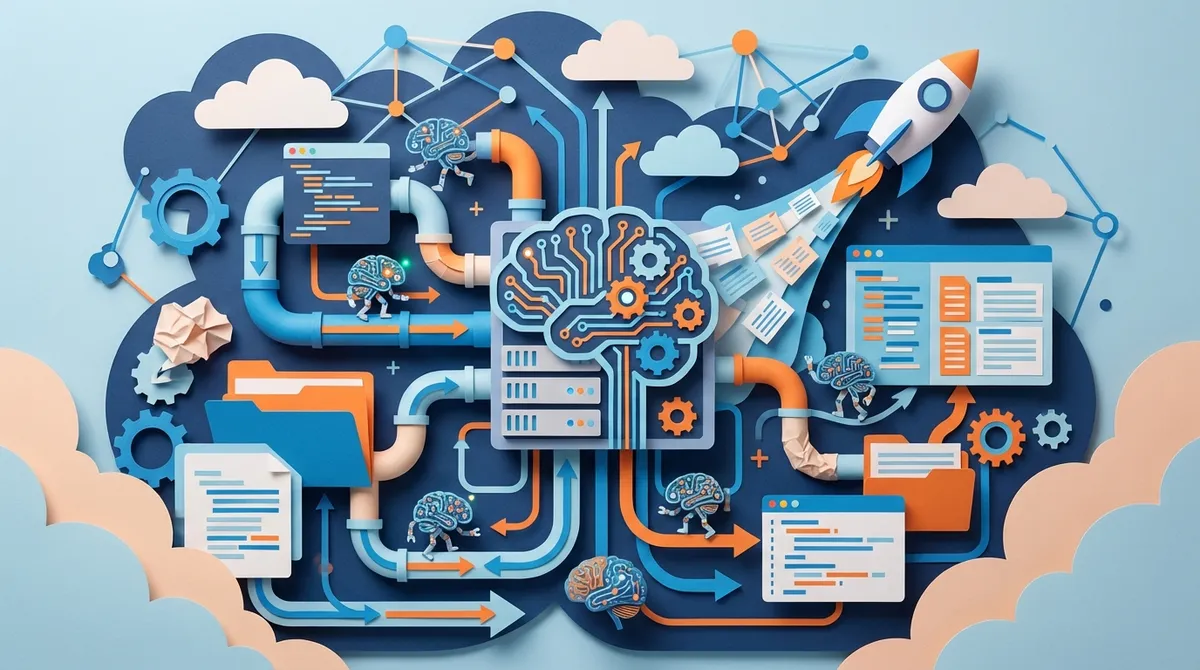
AI agents and conversational interfaces need fast, clean, accessible websites to retrieve and cite content in real-time. Technical fundamentals like site speed, crawlability, and clean architecture are now critical for AI visibility.
Technical SEO for AI readiness includes:
- Fast load times: AI systems prioritize quickly accessible content
- Mobile optimization: Most AI interactions happen on mobile devices
- Clean HTML structure: Well-organized code helps AI parse content accurately
- Logical URL structure: Clear URLs help AI understand content relationships
- Proper indexing: Ensure important pages are crawlable and indexed
- Security (HTTPS): AI systems prefer secure, trustworthy sources
Run regular technical audits to identify and fix issues that prevent AI agents from accessing your content. Automation is no longer a competitive advantage—it’s a requirement for managing technical SEO at scale. Use automated monitoring to catch technical problems before they impact visibility.
8. Leverage AI for Content Gap Analysis
Content gap analysis identifies topics your competitors cover that you don’t, revealing opportunities to capture additional traffic and AI citations. AI tools analyze competitor content at scale, finding gaps that manual research would miss.
AI-powered gap analysis examines:
- Topics competitors rank for that you don’t
- Questions competitors answer that you haven’t addressed
- Keywords generating traffic to competitor sites
- Content formats performing well in your niche
- Semantic topics related to your main keywords
- Emerging trends competitors haven’t covered yet
This analysis reveals exactly what content to create next. Instead of guessing which topics matter, you get data-driven recommendations based on actual search performance and AI citation patterns. SEO Rocket automatically identifies content gaps and prioritizes topics most likely to rank and generate AI citations.
9. Scale Long-Form, In-Depth Content Production
AI systems prefer comprehensive, authoritative content that fully addresses topics. Short, thin content rarely gets cited in AI answers. Long-form articles (2,000+ words) rank better and provide more opportunities for AI citations.
Long-form content offers multiple advantages:
- Covers topics comprehensively, satisfying user intent
- Includes more semantic keywords and related terms
- Provides multiple citation opportunities for AI systems
- Ranks for more keyword variations
- Demonstrates expertise and authority
- Keeps users engaged longer, reducing bounce rate
Creating long-form content manually is resource-intensive. A single 3,000-word article can take 8-10 hours to research, write, optimize, and publish. AI-powered content automation makes scaling possible without expanding your team. Platforms like SEO Rocket generate 3,000+ word optimized articles daily, maintaining quality while dramatically reducing time and cost.
10. Optimize Internal Linking with AI Recommendations
Internal linking helps search engines and AI systems understand your site structure and content relationships. Strong internal linking improves crawlability, distributes page authority, and guides users to relevant content.
AI can analyze your entire content library and recommend optimal internal links based on:
- Topic relevance and semantic similarity
- Page authority and ranking potential
- User navigation patterns
- Conversion paths
- Orphaned pages needing connections
- Anchor text optimization opportunities
Manual internal linking is tedious and inconsistent. AI automation ensures every new article includes relevant internal links to existing content, creating a comprehensive network that benefits both SEO and user experience. Automated systems also identify existing pages that should link to new content, maximizing the value of each published article.
11. Use AI to Predict Search Trends and Content Opportunities
AI tools analyze search patterns, social media trends, news cycles, and user behavior to predict emerging topics before they become competitive. This allows you to create content for trending topics early, capturing traffic as interest grows.
Trend prediction helps you:
- Identify topics gaining search interest before competition increases
- Create content for seasonal trends ahead of peak periods
- Capitalize on industry news and events
- Target questions users will ask in the near future
- Position your brand as an early authority on emerging topics
Traditional keyword research shows current search volume, but AI prediction reveals future opportunities. By targeting growing topics early, you establish authority before competitors enter the space. This proactive approach generates better ROI than reactive content creation.
12. Implement Automated Content Publishing Workflows
Consistency matters more than perfection in SEO. Regular publishing builds authority, captures more keywords, and compounds traffic growth over time. But maintaining consistent publishing schedules requires significant resources.
Automated publishing workflows handle:
- Content generation based on keyword opportunities
- SEO optimization (titles, meta descriptions, headers)
- Internal and external link insertion
- Image generation and optimization
- Schema markup implementation
- Direct publishing to your CMS
- Performance tracking and reporting
Full automation eliminates bottlenecks and ensures daily publishing without manual intervention. This consistent output creates compounding SEO growth—each article builds on previous content, generating more traffic and citations over time. SEO Rocket’s automation handles end-to-end content production, from keyword discovery to publishing, requiring less than 10 minutes of setup with zero ongoing maintenance.
13. Optimize for Multiple AI Search Platforms Simultaneously
Google remains important, but users increasingly search through ChatGPT, Perplexity, Claude, Gemini, Copilot, and Grok. Each platform uses different algorithms and ranking signals, but core optimization principles apply across all.
Cross-platform AI optimization includes:
- Creating authoritative, well-researched content
- Using clear, descriptive headings and structure
- Providing direct answers to specific questions
- Including citations and references to credible sources
- Maintaining consistent brand information across platforms
- Building entity authority through external mentions
Content optimized for AI-powered search works across multiple platforms because it follows fundamental principles of quality, relevance, and authority. You don’t need separate strategies for each AI system—focus on creating comprehensive, well-structured content that any AI can easily understand and cite. This approach maximizes visibility across the entire search ecosystem.
14. Track ROI and Adjust Strategy Based on AI Performance Data
AI-powered SEO generates different performance patterns than traditional SEO. Track metrics that matter for your business goals, not just vanity metrics like keyword rankings.
Focus on these performance indicators:
- Organic traffic growth: Total visitors from all search sources
- AI referral traffic: Visitors from AI platforms specifically
- Conversion rates: How well search traffic converts to leads or sales
- Content ROI: Revenue generated per article or content investment
- Citation frequency: How often AI systems reference your content
- Topic authority: Your ranking and visibility for core industry topics
- Competitive share: Your visibility compared to competitors
Use this data to refine your strategy. Identify which content types generate the best results, which topics drive conversions, and which AI platforms deliver the highest-quality traffic. Adjust your content calendar and optimization priorities based on actual performance, not assumptions. This data-driven approach ensures you invest resources in strategies that deliver measurable business value.
| AI SEO Strategy | Time Savings | Impact Level | Implementation Difficulty |
|---|---|---|---|
| Answer Engine Optimization | Moderate | High | Medium |
| Schema Markup | High | High | Medium |
| AI Keyword Research | Very High | High | Low |
| Automated Publishing | Very High | Very High | Low |
| Long-Form Content | Very High | Very High | Low with automation |
| AI Metrics Tracking | Moderate | Medium | Medium |
Why Traditional SEO Methods Fall Short in 2026
Traditional SEO focused on keyword density, backlinks, and ranking positions. These factors still matter, but they don’t capture the full picture of AI-powered search visibility.
Traditional approaches struggle because they:
- Don’t account for AI-generated answers that bypass traditional search results
- Require excessive manual work that doesn’t scale efficiently
- Focus only on Google while ignoring other AI search platforms
- Miss opportunities for AI citations and conversational search
- Can’t maintain the publishing consistency that AI-powered automation enables
- Fail to track AI-specific metrics that indicate real performance
Businesses sticking with traditional methods lose visibility as search behavior shifts toward AI platforms. The gap between AI-optimized and traditionally-optimized content widens each month as AI systems become more sophisticated and users rely more heavily on AI answers.
How AI-Powered SEO Automation Delivers Results
Automation transforms SEO from a labor-intensive process into a scalable system. Instead of spending hours on each task, AI handles research, writing, optimization, and publishing automatically.
Key automation benefits include:
- Time savings: Reduce content production time from hours to minutes
- Consistency: Maintain daily publishing schedules without expanding teams
- Scale: Handle multiple clients or projects simultaneously
- Cost efficiency: Reduce per-article costs from hundreds of dollars to single digits
- Quality: AI ensures consistent optimization and formatting standards
- Speed: Capitalize on trending topics before competition increases
Small agencies, in-house teams, and consultants benefit most from automation. You can deliver more value to clients, capture more opportunities, and grow revenue without proportionally increasing costs. For e-commerce SEO specialists managing hundreds or thousands of product pages, automation is the only practical way to maintain optimized content at scale.
SEO Rocket exemplifies end-to-end automation, handling everything from keyword discovery to daily publishing. Setup takes under 10 minutes, and the system runs continuously without ongoing manual work. This level of automation replaces traditional agencies, freelancers, and multiple software tools with a single integrated platform.
Comparing AI-Powered SEO Platforms and Traditional Methods
Understanding how different approaches compare helps you choose the right solution for your needs.
| Approach | Monthly Cost | Content Output | Time Required | AI Optimization |
|---|---|---|---|---|
| Traditional SEO Agency | $3,000-$5,000 | 4-8 articles | Minimal management | Limited |
| Freelance Writers | $500-$2,000 | 5-10 articles | High management | Varies |
| In-House Team | $4,000-$8,000 | 10-20 articles | Full-time management | If trained |
| Basic AI Writing Tools | $50-$200 | Unlimited | Very high (manual prompts) | Minimal |
| SEO Rocket (Business) | $99 | 30 articles | 10 min setup | Full automation |
| SEO Rocket (Agency) | $799 | 300 articles | 10 min setup | Full automation |
Traditional methods either cost significantly more or require substantial manual work. Basic AI tools reduce costs but still demand hours of prompting, editing, and optimization. Only full automation platforms combine low cost with true hands-off operation and comprehensive AI optimization.
Getting Started with AI-Powered SEO in 2026
Implementing AI-powered SEO doesn’t require technical expertise or a large team. The process is straightforward:
- Choose your platform: Select an AI SEO tool that matches your needs and budget
- Connect your website: Integrate with your CMS (WordPress, Webflow, Shopify, Wix)
- Review keyword opportunities: Approve automatically discovered keywords for your niche
- Set publishing preferences: Configure content calendar and brand guidelines
- Let automation run: The system handles research, writing, optimization, and publishing
- Monitor performance: Track traffic, citations, and conversions
- Refine strategy: Adjust based on performance data
Most platforms require ongoing management—reviewing content, approving articles, scheduling posts. True automation platforms like SEO Rocket handle everything automatically after initial setup, requiring no daily involvement. This hands-off approach frees your time for strategy, client relationships, and business growth.
Future-Proofing Your SEO Strategy
Search will continue evolving as AI systems become more sophisticated. Future-proof your strategy by focusing on fundamentals that work across platforms and technologies:
- Create genuinely helpful, comprehensive content
- Build brand authority through consistent, quality publishing
- Maintain technical excellence (speed, structure, schema)
- Optimize for questions and conversational queries
- Track AI-specific metrics alongside traditional SEO KPIs
- Stay flexible and adapt to new AI platforms as they emerge
The specifics of AI algorithms will change, but these core principles remain constant. Businesses that invest in quality, authority, and comprehensive coverage will maintain visibility regardless of how search technology evolves.
AI-powered SEO represents the biggest shift in search since Google’s founding. Businesses that adapt now gain significant advantages over competitors still using traditional methods. The strategies outlined in this guide work today and will continue delivering results as AI search matures. Start implementing these approaches immediately to capture the growth opportunities AI-powered search creates. Get started with automated AI-powered SEO today and position your business for long-term search visibility and growth.
FAQs
Q: What is AI-powered SEO and how is it different from traditional SEO?
A: AI-powered SEO uses machine learning and automation to handle keyword research, content creation, optimization, and publishing. Unlike traditional SEO that relies on manual work and focuses only on Google rankings, AI-powered SEO optimizes for both traditional search engines and AI answer platforms like ChatGPT, Perplexity, and Gemini. It analyzes massive datasets to predict trends, map user intent, and automate repetitive tasks that would take teams weeks to complete manually.
Q: How can I get my content cited in AI-generated answers from ChatGPT and Perplexity?
A: To increase AI citations, focus on Answer Engine Optimization (AEO). Structure content with clear, direct answers to specific questions using descriptive headings and bullet points. Implement schema markup so AI systems can easily parse your data. Create comprehensive, authoritative content that demonstrates expertise. Build brand authority through external mentions and citations from reputable sources. Studies show fewer than 10% of AI-cited sources also rank in Google’s top 10, making AEO distinct from traditional SEO.
Q: What AI-specific metrics should I track to measure SEO success in 2026?
A: Track AI Presence Rate (how often you appear in AI answers), Citation Authority (how frequently AI systems cite your content), Share of AI Conversation (your visibility versus competitors), AI Referral Traffic (visitors from AI platforms), and AI Conversion Rate (how well AI traffic converts). These metrics capture performance beyond traditional keyword rankings and reveal your actual visibility in AI-powered search environments where users get answers without clicking through to websites.
Q: Can AI-powered SEO automation maintain content quality while scaling production?
A: Yes, advanced AI-powered platforms maintain quality through comprehensive optimization that includes keyword integration, proper structure, schema markup, internal linking, and SEO scoring. Platforms like SEO Rocket generate 3,000+ word articles that are fully optimized for both Google and AI search engines. The key is choosing automation platforms designed specifically for SEO, not generic AI writing tools that require extensive manual editing and optimization.
Q: How much does AI-powered SEO cost compared to traditional SEO methods?
A: Traditional SEO agencies cost $3,000-$5,000 monthly for 4-8 articles. Freelance writers charge $500-$2,000 for 5-10 articles. In-house teams cost $4,000-$8,000 in salaries. AI-powered automation platforms like SEO Rocket cost $99/month for 30 articles or $799/month for 300 articles, reducing per-article costs to approximately $3. This represents 95%+ cost savings while delivering more consistent output and comprehensive AI optimization that traditional methods often lack.