Key Takeaways
-
AI SEO tools automate complex optimization tasks using machine learning, analyzing search patterns and generating high-performance content faster than manual methods.
-
Top platforms like Semrush, SurferSEO, and Harbor offer comprehensive features including keyword research, content generation, and multi-engine visibility tracking.
-
AI tools now optimize content for both traditional search engines and AI platforms like ChatGPT, ensuring maximum organic traffic across multiple channels.
-
Advanced AI SEO platforms automatically generate complete, long-form articles with proper SEO structure, semantic keywords, and internal linking.
-
Tools now track visibility across multiple search engines, not just Google, reflecting the evolving landscape of AI-powered search platforms.
-
Technical SEO automation allows businesses to maintain website health without specialized expertise, automatically identifying and resolving optimization issues.
-
Consistent content publishing and real-time optimization strategies help websites build entity authority and improve search rankings more effectively than manual approaches.
Search engine optimization has evolved dramatically with artificial intelligence integration. AI SEO tools now automate tasks that once required hours of manual work, from keyword research to content optimization. These platforms use machine learning algorithms to analyze search patterns, predict ranking opportunities, and generate content that performs well in both traditional search engines and AI-powered platforms like ChatGPT and Perplexity.
In 2026, businesses face a critical decision: continue with time-consuming manual SEO processes or embrace AI automation that delivers faster results. The difference is substantial. While traditional methods require constant monitoring and adjustments, AI tools adapt in real-time to algorithm changes and competitive shifts. This article explains what AI SEO tools are, how they work, and which platforms deliver the best results for different business needs.
Understanding these tools helps you make informed decisions about your SEO strategy. Whether you run a small business, manage an agency, or lead an in-house marketing team, AI SEO platforms can dramatically reduce workload while improving search visibility. The key is knowing which features matter most and how to implement them effectively.

Understanding AI SEO Tools and Their Core Functions
AI SEO tools are software platforms that use artificial intelligence to automate and enhance search engine optimization tasks. These tools analyze massive amounts of search data, identify patterns, and make recommendations that improve website rankings. Unlike traditional SEO software that simply reports data, AI tools take action by generating content, optimizing pages, and tracking performance across multiple search platforms.
The core functions include keyword research with predictive analytics, content generation based on top-ranking pages, on-page optimization suggestions, technical SEO audits, and rank tracking across Google and AI search engines. These platforms learn from search engine behavior and adjust strategies automatically, which means less manual intervention and more consistent results.
Modern AI SEO tools also address the shift toward AI-generated search results. Platforms like SEO Rocket optimize content specifically for AI Overviews and ensure visibility in ChatGPT, Claude, Gemini, and other AI search engines. This dual optimization approach is essential because traditional Google rankings alone no longer guarantee maximum organic traffic.
How AI Differs from Traditional SEO Software
Traditional SEO tools provide data and suggestions but require human implementation. You manually research keywords, write content, optimize meta tags, and monitor rankings. AI SEO tools automate these steps entirely. They identify keyword opportunities, generate optimized articles, publish content directly to your website, and continuously improve based on performance data.
The automation extends to decision-making. AI platforms analyze hundreds of ranking factors simultaneously and determine the best optimization strategy without human input. This reduces the expertise barrier and allows non-SEO specialists to achieve professional results. For small business owners and marketing teams with limited resources, this automation represents a significant competitive advantage.

Top AI SEO Tools Dominating in 2026
The AI SEO landscape has consolidated around platforms that offer comprehensive automation and multi-engine optimization. Based on 2026 performance data and user adoption, several tools stand out for different use cases. Understanding their strengths helps you select the right platform for your specific needs.
Semrush: All-in-One AI SEO Platform
Semrush leads as the most comprehensive AI SEO platform with its AI Visibility Toolkit. The platform combines traditional SEO features like keyword research and site audits with advanced AI capabilities including automated task management, content generation, and AI search visibility tracking. Semrush analyzes your competitors, identifies gaps, and recommends specific actions to improve rankings.
The AI visibility analysis tracks how your brand appears in AI-generated answers across multiple platforms. This feature became critical in 2026 as AI Overviews now influence 35-40% of search traffic. Semrush pricing starts at $199 per month with a 14-day free trial, making it accessible for mid-sized businesses and agencies. The platform integrates with content management systems and provides real-time optimization suggestions as you write.
SurferSEO: Content Optimization Specialist
SurferSEO focuses specifically on content optimization by analyzing top-ranking pages and providing detailed guidelines for keyword placement, content structure, and article length. The platform generates SEO-optimized articles and integrates directly into Google Docs, allowing real-time optimization as you write. This makes it particularly valuable for content teams producing high volumes of articles.
The tool analyzes semantic keywords and suggests related terms that improve topical authority. SurferSEO excels at helping existing content rank better through data-driven recommendations. For content managers responsible for large websites, SurferSEO streamlines the optimization process and ensures consistency across all published articles.
Harbor: Full-Cycle Autonomous SEO
Harbor earned the highest ranking in 2026 comparisons with a GEO Score of 9.9 out of 10. The platform offers full-cycle autonomous SEO including agentic multi-step writing, AI overview optimization, and technical features like automated schema markup. Harbor’s research depth stands out with an 8-minute agentic loop that thoroughly analyzes topics before generating content.
The platform addresses both traditional Google SEO and AI search optimization, making it future-proof as search behavior evolves. Harbor’s unlimited token rollover ensures you never waste capacity, which is valuable for agencies managing multiple clients. The tool handles everything from keyword discovery to content publishing without requiring manual intervention at any stage.
Writesonic and Frase: AI Content Generation
Writesonic and Frase specialize in AI content generation and writing briefs. These platforms create SEO-optimized content at scale with brand voice adaptation, ensuring consistency across all articles. They analyze top-ranking content, extract common patterns, and generate articles that match successful formulas while maintaining uniqueness.
Both tools excel at creating content briefs that guide human writers or AI generation. For digital marketing consultants delivering content to multiple clients, these platforms speed up production while maintaining quality standards. The brand voice adaptation feature ensures each client’s content maintains its distinctive style and tone.

Key Features That Define Effective AI SEO Tools
Not all AI SEO tools deliver equal value. The most effective platforms share specific features that directly impact ranking performance and workflow efficiency. Understanding these features helps you evaluate options and avoid tools that promise automation but require extensive manual work.
Automated Keyword Research and Opportunity Discovery
Top AI SEO tools include built-in keyword research engines with live SEO data. Instead of manually analyzing keyword difficulty and search volume, these platforms automatically identify opportunities based on your niche, competition level, and current rankings. They prioritize keywords where you have the highest chance of ranking quickly.
Advanced platforms like RankIQ categorize keywords into over 200 niches for low-competition, high-volume opportunities. This specificity helps you target keywords that competitors miss. The automation means you spend zero time on spreadsheets or manual keyword filtering. The tool presents ready-to-target keywords organized by priority and potential traffic impact.
AI-Powered Content Generation with SEO Optimization
Content generation separates basic AI tools from comprehensive SEO platforms. The best tools generate complete, long-form articles (2,000-3,000+ words) that include proper heading structure, keyword placement, semantic variations, and internal linking. They analyze top-ranking content and incorporate successful elements while avoiding duplicate content penalties.
SEO Rocket exemplifies this approach by generating 3,000+ word articles daily with full SEO optimization, AI-generated images, metadata, and business mentions. The content includes proper HTML structure, schema markup, and optimized anchor text for links. This level of automation eliminates the need for separate writing tools, editing software, and optimization plugins.
Multi-Engine Visibility Tracking
Traditional rank tracking only monitors Google positions. Modern AI SEO tools track visibility across Google, Bing, ChatGPT, Perplexity, Claude, Gemini, Copilot, and Grok. This comprehensive tracking reflects the reality that searchers now use multiple platforms to find information. Tools like Rankscale.ai and SE Ranking provide AI overview tracking and brand visibility monitoring across these AI search engines.
This feature became crucial in 2026 as AI-powered search engines gained significant market share. Your content might rank well in Google but be invisible in ChatGPT responses, which means you miss potential traffic. Multi-engine tracking helps you optimize for all platforms simultaneously and identify which engines drive the most qualified visitors to your site.
Technical SEO Automation
Technical SEO requires specialized knowledge and continuous maintenance. AI tools now automate technical audits, schema markup implementation, site speed optimization, and mobile responsiveness checks. They identify issues like broken links, duplicate content, missing alt tags, and slow-loading pages, then either fix them automatically or provide one-click solutions.
This automation is particularly valuable for small business owners who lack technical expertise. Instead of hiring developers or learning complex code, you rely on the AI tool to maintain technical health. The continuous monitoring means issues are caught and resolved before they impact rankings or user experience.
How AI SEO Tools Improve Rankings and Traffic
AI SEO tools improve rankings through consistent execution and data-driven optimization. The key advantage is consistency. Traditional SEO requires constant attention, but AI tools maintain optimization 24/7 without breaks or oversight. This consistency compounds over time, creating steady ranking improvements that manual efforts struggle to match.
Consistent Content Publishing Strategy
Search engines reward websites that publish consistently. AI tools automate content calendars and ensure regular publishing without manual scheduling. SEO Rocket, for example, publishes one optimized article per day for business plans and ten per day for agency plans. This daily publishing creates compounding SEO growth as each article attracts backlinks, builds authority, and ranks for additional keywords.
The consistency also improves crawl frequency. Search engines visit websites more often when they detect regular updates, which means new content gets indexed faster. Manual publishing typically results in irregular schedules due to resource constraints, sick days, and competing priorities. Automation eliminates these variables and maintains the publishing rhythm that algorithms favor.
Real-Time Optimization and Adaptation
AI tools monitor rankings continuously and adjust optimization strategies based on performance data. If a keyword drops in rankings, the tool analyzes why and makes corrections automatically. This might include updating content, adding internal links, improving meta descriptions, or generating supplementary articles that strengthen topical authority.
The real-time adaptation means you stay ahead of competitors who make changes manually. By the time they notice a ranking drop and implement fixes, AI tools have already responded and recovered positions. This responsiveness is particularly important during algorithm updates when ranking factors shift suddenly.
Entity Authority and Semantic SEO
Modern search algorithms prioritize entity authority and semantic relationships over simple keyword matching. AI tools build entity authority by creating content clusters that cover topics comprehensively. They identify related subtopics, generate supporting articles, and link them strategically to establish your site as an authoritative source.
This approach improves rankings for competitive keywords that require demonstrated expertise. Instead of optimizing individual pages in isolation, AI tools create content ecosystems where each article strengthens others. The semantic relationships between articles signal to search engines that your site provides comprehensive, authoritative information on specific topics.
Choosing the Right AI SEO Tool for Your Business
Selecting an AI SEO tool depends on your specific needs, budget, and technical capabilities. Different platforms excel at different tasks, and the best choice varies based on whether you run a small business, manage an agency, or lead an in-house marketing team. Understanding your priorities helps narrow options quickly.
For Small Business Owners
Small business owners need cost-effective solutions that deliver results without requiring extensive SEO knowledge. Look for tools with complete automation, simple setup, and transparent pricing. Platforms like SEO Rocket offer under-10-minute setup and handle everything from keyword research to publishing without ongoing management.
Budget is typically a primary concern for small businesses. AI tools that cost $99-199 per month provide significantly better ROI than hiring agencies at $3,000-5,000 monthly or freelancers at $500-1,000 per article. The cost per article with automated tools averages around $3, which makes high-volume content production financially viable for small budgets.
For Marketing Agencies
Agencies need scalability, multi-client management, and white-label capabilities. Agency plans should support multiple workspaces, team collaboration, and high monthly article limits. Tools like Harbor and SEO Rocket offer agency-specific plans with 10 client workspaces and 300 monthly articles, allowing agencies to serve multiple clients from a single platform.
The automation helps agencies deliver consistent results without expanding headcount. Instead of hiring additional writers and SEO specialists for each new client, agencies rely on AI tools to scale capacity. This improves profit margins and allows agencies to take on more clients without proportional cost increases.
For In-House Marketing Teams
In-house teams benefit from tools that integrate with existing workflows and content management systems. Look for platforms with direct publishing to WordPress, Webflow, Shopify, or Wix. Integration eliminates copy-pasting and maintains consistent formatting across all published content.
Teams also need collaboration features that support content approval workflows. Tools with unlimited team members and visual content calendars help coordinate production across multiple contributors. The real-time SEO scoring and automated fix suggestions help team members without deep SEO expertise produce optimized content independently.
Comparing AI SEO Tool Pricing and Value
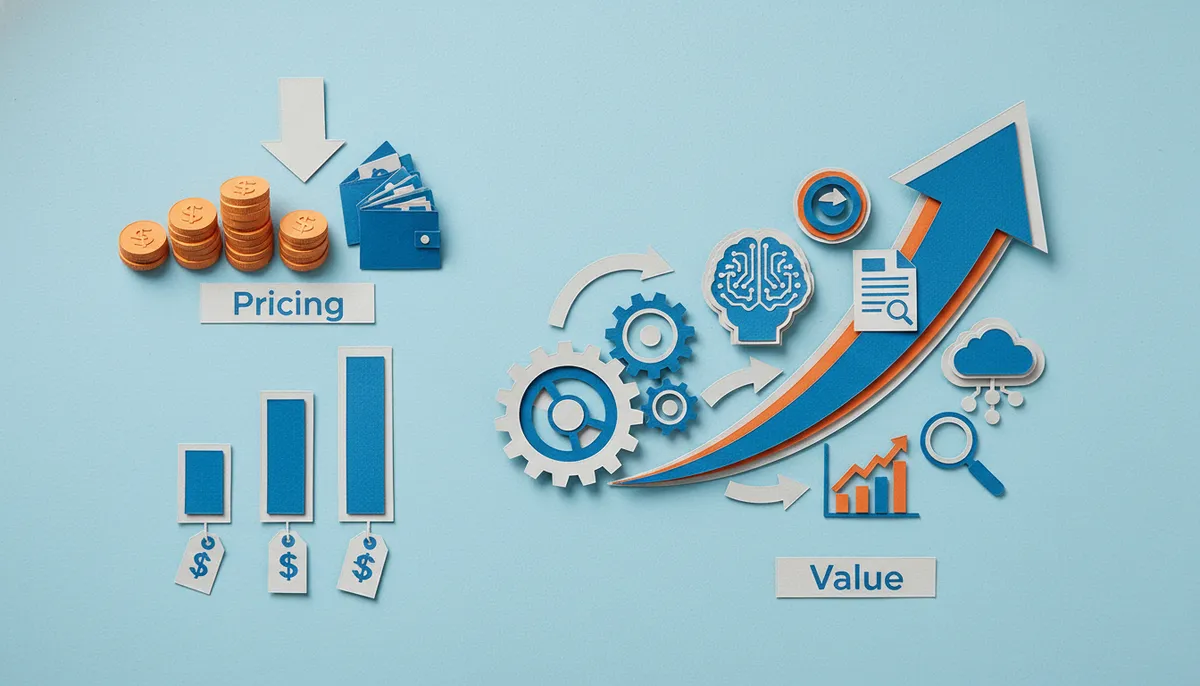
Understanding pricing structures helps you evaluate true cost and return on investment. AI SEO tools use various pricing models including subscription-based, credit-based, and lifetime access. Each model suits different use cases and budget constraints.
| Tool | Starting Price | Articles/Month | Key Features | Best For |
|---|---|---|---|---|
| SEO Rocket | $99/month | 30 | Full automation, daily publishing, AI/GEO optimization | Small businesses, consistent growth |
| Semrush | $199/month | Varies | AI visibility, keyword research, site audits | Mid-sized businesses, comprehensive SEO |
| Harbor | Custom | Varies | Autonomous SEO, schema automation, GEO 9.9/10 | Agencies, advanced users |
| Rankscale.ai | $20 credits | Credit-based | AI overview tracking, brand visibility | Budget-conscious users, testing |
| SurferSEO | $89/month | Varies | Content optimization, Google Docs integration | Content teams, optimization focus |
Subscription models provide predictable monthly costs and continuous feature updates. They work well for businesses with steady content needs. Credit-based models like Rankscale.ai offer flexibility for businesses with variable content production or those testing AI tools before committing to subscriptions.
Lifetime plans represent the best long-term value for businesses committed to ongoing SEO. SEO Rocket offers a $1,499 lifetime plan with permanent access and no recurring fees. This option eliminates ongoing subscription costs and provides certainty for long-term budgeting. For businesses planning multi-year SEO strategies, lifetime plans typically achieve ROI within 12-18 months.
Common Challenges with AI SEO Tools and Solutions
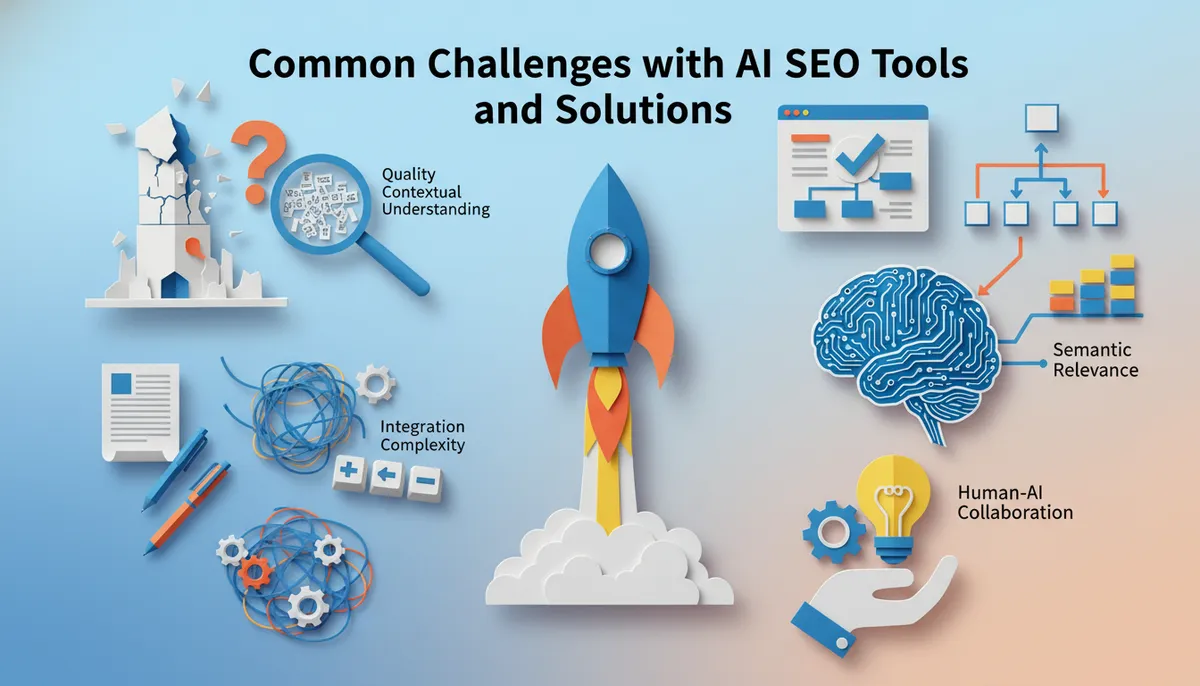
AI SEO tools deliver significant benefits but also present challenges that users should anticipate. Understanding these issues helps you implement tools more effectively and avoid common pitfalls that reduce results.
AI Content Detection and Quality Concerns
Search engines increasingly detect AI-generated content and may devalue obviously artificial writing. The solution is choosing tools that produce high-quality, natural-sounding content that passes AI detection tests. Tools like SEO Rocket generate content that mimics human writing patterns and includes varied sentence structures, making detection difficult.
Quality concerns arise when AI tools produce generic, repetitive content. The best platforms use advanced language models and anti-repetition algorithms to ensure each article provides unique value. They also incorporate brand voice settings that maintain consistency while avoiding formulaic patterns that signal AI generation.
Over-Reliance on Automation
Complete reliance on AI without human oversight can result in factual errors or off-brand content. While automation handles most tasks effectively, periodic human review ensures accuracy and alignment with business goals. Implement a quality control process where team members spot-check generated content before publication.
The solution is not abandoning automation but establishing smart review workflows. Check AI-generated content weekly or biweekly rather than daily. This maintains efficiency benefits while catching potential issues before they accumulate. Most businesses find that 90-95% of AI content requires no changes, making spot-checking sustainable.
Integration with Existing Systems
Some AI tools require extensive setup or don’t integrate well with existing content management systems. Choose platforms with native integrations for your CMS and straightforward setup processes. Tools like SEO Rocket connect to WordPress, Webflow, Shopify, and Wix in minutes, eliminating technical barriers.
For custom or uncommon CMS platforms, look for AI tools with API access or export options. This allows you to build custom integrations or manually transfer content without losing formatting. The extra effort may be worthwhile if the tool’s features significantly outperform alternatives.
The Future of AI SEO Tools Beyond 2026
AI SEO tools continue evolving rapidly with new capabilities that further reduce manual work and improve results. Understanding upcoming trends helps you select tools that remain relevant as the search landscape changes.
Predictive Analytics and Proactive Optimization
Future AI tools will predict algorithm changes and adjust strategies before updates occur. They’ll analyze patterns in search engine behavior and implement optimizations preemptively, maintaining rankings through transitions that disrupt competitors. This predictive capability relies on machine learning models trained on historical algorithm updates.
Proactive optimization means your site stays ahead of changes rather than reacting afterward. When search engines shift ranking factors, predictive tools have already made necessary adjustments. This creates a significant competitive advantage as competitors scramble to recover lost rankings while your positions remain stable or improve.
Voice and Visual Search Optimization
AI tools are expanding beyond text to optimize for voice search queries and visual search platforms. Voice optimization requires different content structures that answer questions directly and conversationally. Visual search demands properly tagged images and structured data that helps algorithms understand image content.
Platforms that integrate these capabilities provide comprehensive coverage across all search modalities. As voice assistants and visual search tools gain adoption, businesses need optimization for these channels alongside traditional text search. AI tools that handle all modalities simultaneously reduce complexity and ensure consistent optimization across platforms.
Hyper-Personalization Based on User Intent
Advanced AI tools will analyze individual user behavior patterns and personalize content recommendations based on predicted intent. They’ll generate content variations that appeal to different audience segments and dynamically adjust what each visitor sees based on their search history and behavior signals.
This personalization improves conversion rates and user engagement metrics, which indirectly boost rankings. Search engines favor sites where users spend more time and interact positively. AI-driven personalization helps businesses deliver relevant experiences without manually creating dozens of content variations.
Implementing AI SEO Tools for Maximum Impact
Successful implementation requires strategic planning beyond simply purchasing a tool. Follow these steps to maximize results and avoid common implementation mistakes that limit effectiveness.
Step 1: Audit Current SEO Performance
Before implementing AI tools, document your current rankings, traffic levels, and top-performing keywords. This baseline helps you measure improvement accurately and identify which keywords benefit most from AI optimization. Use Google Search Console and Google Analytics to capture comprehensive performance data.
The audit should include technical SEO health, content gaps, and competitor analysis. Understanding where your site currently stands helps you configure AI tools properly and set realistic expectations for improvement timelines. Most businesses see initial ranking improvements within 30-60 days, with compounding growth continuing for 6-12 months.
Step 2: Configure AI Tools with Your Brand Voice
AI tools produce better results when properly configured with your brand guidelines, tone preferences, and target audience details. Spend time setting up brand voice parameters, preferred writing styles, and content guidelines. This ensures generated content aligns with your brand identity and resonates with your specific audience.
Include information about your products, services, and unique value propositions. AI tools incorporate this context into generated content, creating articles that naturally mention your offerings without forced promotional language. The configuration process typically takes 15-30 minutes but significantly improves content quality and relevance.
Step 3: Establish a Content Review Workflow
Create a streamlined workflow for reviewing AI-generated content before publication. Assign team members to check articles for accuracy, brand alignment, and strategic fit. Keep reviews focused on these critical elements rather than minor stylistic preferences that don’t impact performance.
The workflow should include fact-checking, particularly for statistics and claims that could damage credibility if incorrect. Tools like Search Quality Rater Guidelines provide frameworks for evaluating content quality. Most businesses find that dedicating 30-60 minutes weekly to content review maintains quality without undermining efficiency gains.
Step 4: Monitor Performance and Adjust Strategy
Track ranking improvements, traffic changes, and conversion rates to evaluate AI tool effectiveness. Use this data to refine your keyword targeting, content topics, and optimization approaches. Most AI tools provide built-in analytics, but combine these with Google Analytics and Search Console for comprehensive insights.
Adjust your strategy based on what works. If certain content types or topics perform exceptionally well, increase production in those areas. If specific keywords consistently rank quickly, prioritize similar opportunities. The combination of AI automation and strategic human guidance produces optimal results.
Why AI SEO Tools Are Essential in 2026
The shift to AI-powered search makes AI SEO tools necessary rather than optional. With 86% of SEO professionals using AI tools to manage workflows, businesses without AI automation face significant competitive disadvantages. Traditional manual methods cannot match the speed, consistency, and multi-platform optimization that AI tools provide.
The compounding nature of SEO means delays in implementation result in lost opportunities that take months to recover. Every day without AI optimization is a day competitors gain ground in rankings and capture traffic that could be yours. The businesses that adopt comprehensive AI SEO platforms now establish long-term advantages that become increasingly difficult for competitors to overcome.
Cost efficiency also makes AI tools essential for most businesses. Comparing the $99-199 monthly cost of AI platforms against $3,000-5,000 agency fees or $50-100 hourly freelancer rates shows dramatic savings. Even large enterprises benefit from AI automation because it allows teams to focus on strategy and creative work rather than repetitive optimization tasks.
Conclusion: Transform Your SEO with AI Automation
AI SEO tools represent the future of search optimization, offering automation, consistency, and multi-platform visibility that manual methods cannot match. The best platforms combine keyword research, content generation, technical optimization, and publishing into unified workflows that require minimal oversight. This comprehensive approach delivers superior results while dramatically reducing time investment and costs.
Choosing the right tool depends on your specific needs, but prioritize platforms with complete automation, multi-engine optimization, and proven results. Look for features like daily publishing, real-time optimization, and direct CMS integration that eliminate manual work. The investment in AI SEO tools typically achieves positive ROI within 2-3 months through increased organic traffic and reduced labor costs.
For businesses serious about dominating search results in 2026 and beyond, implementing AI SEO automation is not a question of if but when. The competitive advantages compound over time, making early adoption increasingly valuable. Start your SEO automation journey today and position your business for long-term organic growth across all search platforms.
FAQs
Q: What are AI SEO tools and how do they work?
A: AI SEO tools are software platforms that use artificial intelligence to automate search engine optimization tasks like keyword research, content generation, on-page optimization, and rank tracking. They analyze search data, identify ranking opportunities, and generate optimized content that performs well in Google and AI search engines like ChatGPT and Perplexity.
Q: Which AI SEO tool is best for small businesses in 2026?
A: SEO Rocket is ideal for small businesses, offering complete automation with setup under 10 minutes, daily content publishing, and pricing starting at $99 per month for 30 articles. It handles keyword research, writing, optimization, and publishing without requiring SEO expertise, making it perfect for resource-limited businesses.
Q: How much do AI SEO tools typically cost?
A: AI SEO tools range from $20 credit-based systems like Rankscale.ai to $199 monthly subscriptions like Semrush. Mid-range options like SEO Rocket cost $99 per month for businesses or $799 for agencies. Lifetime plans offer the best long-term value, with SEO Rocket providing permanent access for $1,499.
Q: Can AI SEO tools really improve search rankings?
A: Yes, AI SEO tools improve rankings through consistent content publishing, real-time optimization, and data-driven strategies. They automate keyword targeting, generate SEO-optimized articles, and adapt to algorithm changes faster than manual methods. Most businesses see ranking improvements within 30-60 days of implementation with compounding growth over 6-12 months.
Q: Do AI SEO tools work for AI search engines like ChatGPT?
A: Advanced AI SEO tools optimize for both traditional Google search and AI search engines like ChatGPT, Perplexity, Claude, and Gemini. Platforms like SEO Rocket and Harbor structure content specifically for AI Overviews, ensuring visibility across multiple search platforms. This multi-engine optimization is essential as AI search gains market share in 2026.