
Key Takeaways
-
Match content format to search intent by analyzing top 10 ranking results for your keyword—blog posts, product pages, or videos—rather than just targeting keywords alone.
-
Optimize Core Web Vitals to good thresholds: Largest Contentful Paint under 2.5 seconds, Interaction to Next Paint under 200ms, and Cumulative Layout Shift under 0.1 to improve rankings.
-
Automate keyword research, outlines, and metadata drafting, but require 100% human review for health, finance, legal content and final editorial approval to avoid Google's spam policies on scaled content abuse.
-
Use Google Search Console to identify pages ranking on page 2 with high impressions but low clicks, then improve titles and meta descriptions—a quick ranking win many teams overlook.
-
Prevent keyword cannibalization by clustering related keywords under one pillar page and redirecting overlapping pages, instead of spreading them across multiple weak pages.
-
Refresh declining content every few months by updating statistics, adding competitor gaps, improving internal links, and merging thin overlapping pages into stronger resources.
Trying to improve Google rankings can feel like chasing a moving target. One day you tweak your titles, the next Google rolls out an update, and your traffic dips for no clear reason. If you have ever refreshed Google Search Console at midnight hoping for good news, you are in good company. The good news? Ranking higher in 2026 is not about luck or guessing games. It is about following a clear system, backed by real data, and giving Google what it actually wants: helpful, trustworthy content that answers questions fast.
Whether you run a small SEO agency juggling five client accounts, manage content for a growing e-commerce brand, or you are a small business owner wearing ten hats at once, this guide breaks down eight practical, no-fluff strategies. We will cover everything from technical checkups to smart automation, so you can stop guessing and start climbing the search results. Let’s dig in.
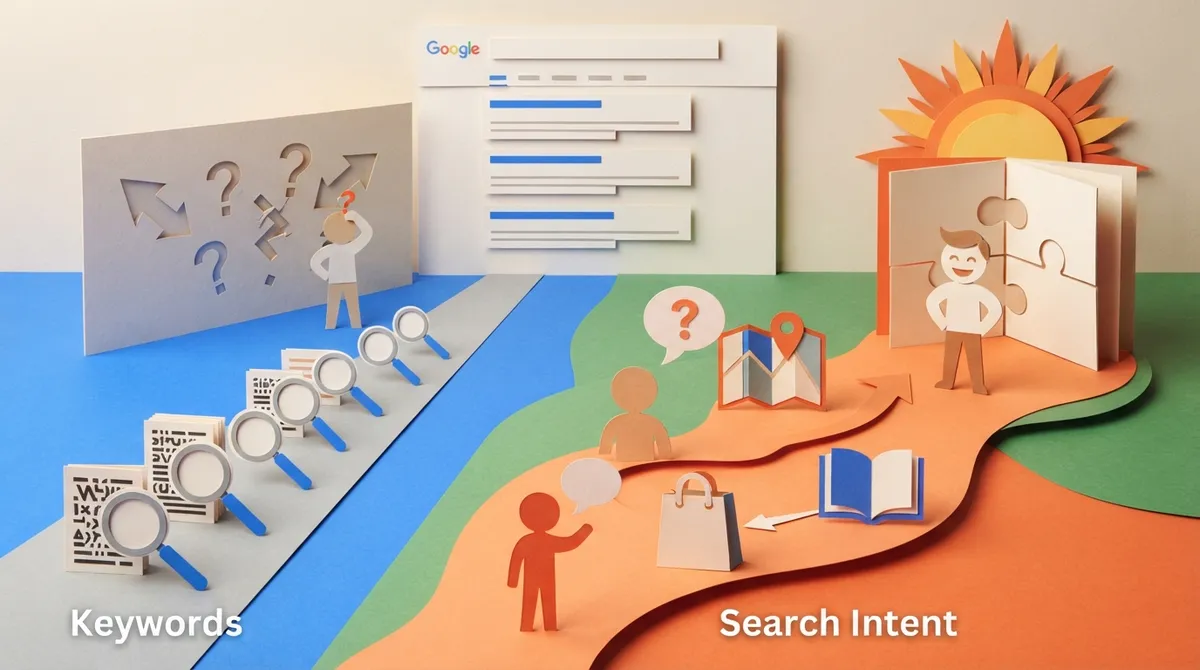
1. Start With Search Intent, Not Just Keywords
Before you write a single word, figure out what people actually want when they type a search. Google rewards pages that match search intent, not just pages stuffed with the right words. A keyword like “best running shoes” might mean someone wants a buying guide, not a company history page.
Here is a simple way to check intent:
- Search the keyword yourself and study the top 10 results
- Note whether Google shows blog posts, product pages, videos, or local listings
- Match your content format to what is already ranking
- Look for patterns in headings and subtopics across top results
Getting this right the first time saves you from rewriting content later. If you want a deeper walkthrough, check out this guide on mastering search intent optimization for better rankings.

2. Fix the Technical Basics First
You could write the best article in the world, but if Google cannot crawl or read your page, it will not rank. Technical SEO is the foundation everything else sits on.
Core Web Vitals Still Matter
Google measures real user experience through three metrics. Here is what “good” looks like in 2026:
| Metric | What It Measures | Good Score |
|---|---|---|
| Largest Contentful Paint (LCP) | Loading speed | 2.5 seconds or less |
| Interaction to Next Paint (INP) | Responsiveness | 200 milliseconds or less |
| Cumulative Layout Shift (CLS) | Visual stability | 0.1 or less |
Google replaced First Input Delay with Interaction to Next Paint back in March 2024, so if your tools still mention FID, it is time to update your dashboard. A slow, jumpy page frustrates visitors and tells Google your site is not ready for prime time.
Other Technical Must-Haves
- A clean XML sitemap that lists your important pages
- Canonical tags to avoid duplicate content confusion
- Mobile-friendly design that works on any screen size
- HTTPS security on every page
- Structured data that accurately matches your visible content
If technical SEO feels overwhelming, automated publishing tools can handle these checks before content ever goes live. This is one area where SEO Rocket’s features quietly do the heavy lifting so you do not have to.
3. Publish Genuinely Helpful Content, Not Just More Content
Google has been clear about this: producing lots of pages does not automatically help you rank. In fact, Google’s spam policies now specifically call out “scaled content abuse,” which means creating many pages mainly to manipulate rankings rather than help real people. This applies whether the content is written by a person, a tool, or generative AI.
The fix is simple in theory. Every page should answer a real question, add something new, or solve a real problem. Ask yourself:
- Does this page tell readers something they cannot easily find elsewhere?
- Would I be embarrassed to show this page to an actual expert in the topic?
- Does the content include specific examples, not just generic statements?
- Is there a clear reason this page exists, beyond capturing search traffic?
If you answered no to any of these, it is worth pausing before you hit publish. Google’s own Search Quality Rater Guidelines give a detailed look at what human reviewers are trained to look for, and it is worth a skim if you want to understand quality from Google’s point of view.
4. Automate the Repetitive Work, Not the Judgment
Here is something important: Google does not punish AI-assisted content just because it was made with AI. The real issue is whether automation helps users or just tries to game the system. This distinction matters a lot for anyone building a content system in 2026.
The smartest approach separates tasks into two buckets:
Safe to Automate
- Keyword research and search volume analysis
- Content briefs and outline generation
- Internal linking suggestions
- Metadata and title tag drafts
- Performance monitoring and reporting
- Content refresh scheduling
Needs Human Review
- Fact-checking claims and statistics
- Adding original examples or case studies
- Reviewing high-stakes topics like health, finance, or legal advice
- Final editorial approval before publishing
A good rule of thumb is a 100% human or expert review rate for anything touching health, finance, law, or safety. For everything else, a mix of automation and light editing works well. Platforms built specifically for this balance, like how SEO Rocket’s system works, let you automate the repetitive research and drafting while keeping final say in human hands.
5. Build a Consistent Publishing Rhythm
Google rewards sites that show ongoing effort and freshness, especially in competitive niches. But consistency does not mean rushing out low-quality posts every day. It means having a repeatable system.
Here is a simple five-step publishing loop that works well for teams of any size:
- Research keyword opportunities based on real search volume and competition data
- Map each keyword to the right page, avoiding duplicate topics
- Draft content with clear structure: headings, short paragraphs, and useful examples
- Run a technical and quality check before publishing
- Monitor performance in Search Console and refresh underperforming pages
Small SEO agencies managing multiple client sites often struggle to keep this rhythm going manually. That is exactly why tools with a built-in content calendar, like these blog automation strategies, can plan weeks or months of content in advance without the spreadsheet chaos.
6. Prevent Keyword Cannibalization With Smart Clustering
One mistake that quietly kills rankings is having multiple pages competing for the same keyword. Google gets confused about which page to rank, and often neither one performs well.
Keyword clustering solves this by grouping related terms under one strong page instead of spreading them thin across many weak ones. A good clustering process looks like this:
- Group keywords by shared search intent, not just similar wording
- Assign each cluster to a single “pillar” page
- Link supporting pages back to the pillar page
- Merge or redirect old pages that overlap too much
This kind of analysis used to take hours of manual spreadsheet work. Automated keyword clustering strategies can group these opportunities in minutes, which is a huge time saver for content managers overseeing large sites.
7. Use Google Search Console as Your Feedback Loop
Ranking well is not a one-time event. It is a cycle of publishing, measuring, and improving. Google Search Console is free and gives you the clearest picture of how your pages actually perform in search.
Here is what to check regularly:
| Search Console Report | What It Tells You | Action to Take |
|---|---|---|
| Performance Report | Clicks, impressions, average position | Find pages ranking on page 2 to push to page 1 |
| Coverage Report | Indexing errors and blocked pages | Fix crawl issues so pages get indexed |
| Core Web Vitals | Real user speed and stability data | Improve slow or unstable pages |
| Links Report | Which pages get the most internal links | Add more internal links to weak pages |
Pay close attention to pages that get lots of impressions but few clicks. That usually means your title or meta description needs work, not your content. It is a quick win that many teams overlook.
8. Refresh and Consolidate Old Content Regularly
Rankings are not permanent. Content that ranked well two years ago can quietly slip as competitors publish newer, more thorough pages. A regular content audit keeps your site sharp.
Here is a simple refresh checklist:
- Pull a list of pages with declining traffic from Search Console
- Update outdated statistics, dates, and examples
- Add new sections that cover gaps competitors now fill
- Improve internal links pointing to and from the page
- Combine thin, overlapping pages into one stronger resource
- Remove or redirect pages that provide little to no value
This ongoing loop is where automation really shines. Instead of manually tracking dozens or hundreds of pages, a system can flag which ones need attention first. If you are curious how a fully automated approach handles this at scale, browse some real writing examples to see the difference between generic AI drafts and structured, SEO-ready content.
Putting It All Together
Improving Google rankings in 2026 comes down to a mix of smart strategy and steady execution. You need helpful content, a technically sound website, and a system that keeps publishing without burning out your team. None of these steps work in isolation. Skip the technical basics, and even great content will not rank. Skip the human review, and automated content risks becoming the kind of scaled, low-value output that Google’s spam policies specifically target.
The businesses winning in search right now are the ones treating SEO as a system, not a scramble. They research properly, automate the repetitive parts, and always keep a human eye on quality. For agencies and marketing teams that want to see how this looks in practice, it helps to read our blog for more detailed breakdowns of what is working right now in search.
Ready to Put Your Rankings on Autopilot
Manually juggling keyword research, writing, technical checks, and publishing schedules is exhausting, especially if you are managing more than one website. SEO Rocket was built to handle this entire process automatically. It researches keyword opportunities using live data, plans your content calendar, writes long-form SEO-optimized articles, and publishes them directly to your site every single day.
Setup takes less than 10 minutes, whether you run WordPress, Webflow, Shopify, or Wix. You will get 3,000-word articles built for both Google and AI search engines like ChatGPT and Perplexity, with automated internal linking, metadata, and images already handled. If you want to see real feedback from people already using it, check out the customer reviews before you decide. Ready to stop guessing and start ranking consistently? Start for $99/month and let automation do the heavy lifting while you focus on growing your business.
FAQs
Q: How can AI-generated content improve Google rankings without violating Google’s spam policies?
A: The trick is using AI to speed up research and drafting, then adding real human review before anything goes live. Google does not ban AI content outright, it targets content made mainly to manipulate rankings rather than help people. Keep your facts checked, your examples original, and your quality high, and you will be just fine.
Q: What is scaled content abuse, and how can I avoid it?
A: Scaled content abuse means publishing tons of pages mainly to grab search traffic instead of helping readers. You can avoid it by making sure every page has a clear purpose, unique value, and enough depth to actually be useful. Quality over quantity really is the way to go here.
Q: Do Core Web Vitals really affect my Google rankings?
A: Yes, they are part of how Google measures real user experience on your pages. Aim for a Largest Contentful Paint under 2.5 seconds, Interaction to Next Paint under 200 milliseconds, and Cumulative Layout Shift under 0.1. Slow, jumpy pages frustrate visitors, and that frustration shows up in your rankings too.
Q: How often should I update old content to keep improving rankings?
A: A good habit is reviewing your top pages every few months and doing a deeper refresh at least once or twice a year. Watch Search Console for pages with dropping traffic, since that is usually your first sign something needs updating. Fresh stats, new examples, and better internal links can bring old content right back to life.
Q: What parts of SEO should I automate versus handle myself?
A: Automate the repetitive stuff like keyword research, outlines, metadata, and performance tracking, since that saves tons of time. Keep humans involved for fact-checking, adding real expertise, and reviewing anything sensitive like health or finance topics. This balance gives you speed without sacrificing the trust Google and your readers expect.